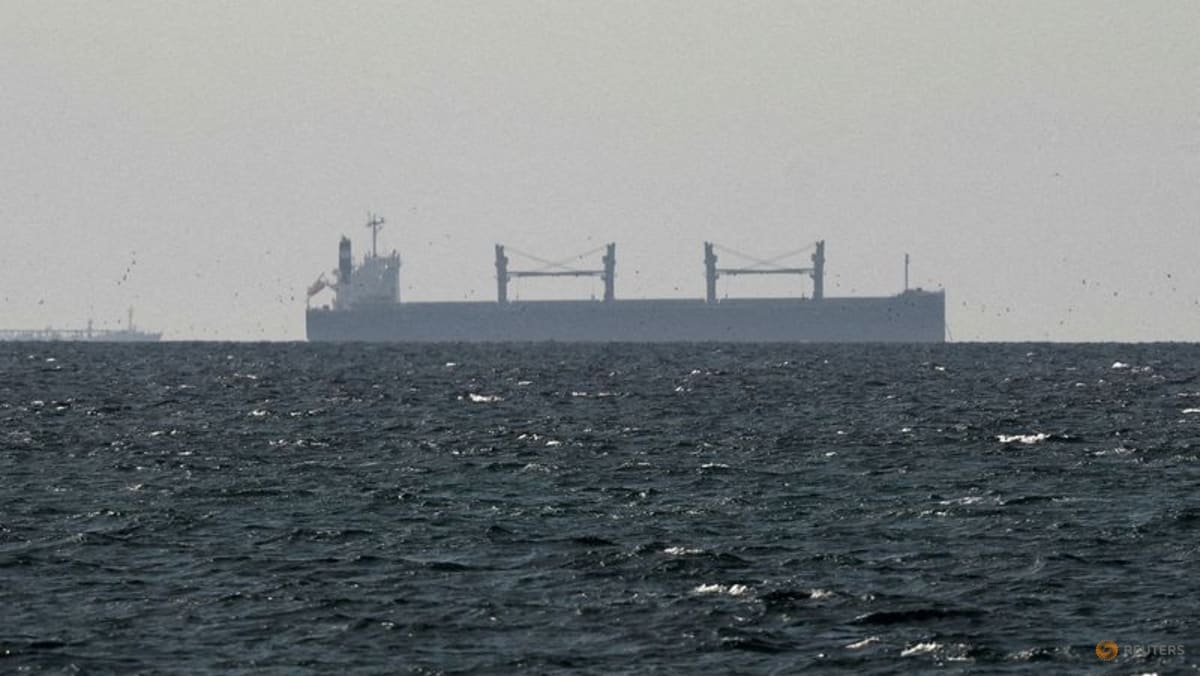
International Coalition Seeks Resolution to Strait of Hormuz Blockade
London – A coalition of over 40 nations, led by the United Kingdom, convened on Thursday to address the escalating crisis in the Strait of Hormuz, a critical waterway currently blocked by Iranian actions amidst the ongoing conflict with the United States and Israel. The blockade is significantly disrupting global energy supplies and trade routes, raising concerns about a potential worldwide economic downturn.
Global Reactions and Statements
UK Foreign Secretary Yvette Cooper accused Iran of “hijacking” the international shipping route and “holding the global economy hostage,” emphasizing the unsustainable surge in oil and food prices impacting nations worldwide. According to a statement released by Cooper’s office, the participating countries demanded the “immediate and unconditional reopening” of the strait and a commitment to upholding international maritime law. The South China Morning Post reported that discussions focused on a range of collective actions, including potential economic pressure.
Notably absent from the talks was the United States, following President Donald Trump’s declaration that securing the Strait of Hormuz was not a U.S. priority. Trump has also repeatedly criticized European allies for insufficient support in the conflict, and renewed threats to withdraw from NATO. This stance has prompted allied nations to independently explore solutions, as highlighted by Bloomberg, which points to a growing sense of urgency among U.S. partners.
Background and Regional Impact
The current crisis stems from Iran’s retaliatory measures following the commencement of the U.S.-Israeli military campaign against it on February 28th. Iranian forces have targeted commercial vessels in the Gulf, resulting in 23 attacks and the deaths of 11 crew members, according to shipping data firm Lloyd’s List Intelligence. Traffic through the Strait has dwindled to a minimal level, largely consisting of tankers suspected of circumventing international sanctions to transport Iranian oil. This disruption impacts roughly 20% of global oil consumption, making the Strait of Hormuz a critical chokepoint in the global energy market.
The economic consequences are already being felt, with petroleum prices soaring and concerns mounting over potential energy shortages. Beyond energy, the blockage threatens the supply of vital commodities like liquid natural gas and fertilizer, impacting food security in several regions. A briefing from Lloyd’s List Intelligence indicates that Iran is currently vetting vessels attempting passage, effectively maintaining control over the waterway. The disruption is particularly damaging to nations heavily reliant on Middle Eastern oil imports, including China, India, and several European countries.
Next Diplomatic Steps
The initial meeting on Thursday is intended as a precursor to a series of “working-level” discussions among officials, aimed at formulating a concrete plan of action. While military intervention is not currently favored, the coalition is exploring options including targeted sanctions against Iranian entities responsible for the blockade, and collaboration with the International Maritime Organization (IMO) to establish safe passage corridors for remaining vessels.
The BBC reported that the UK and its allies are seriously considering sanctions as a key element of their strategy. However, the effectiveness of sanctions remains a subject of debate, particularly given Iran’s history of resilience in the face of economic pressure. Al Jazeera notes that the coalition is unusually broad, encompassing not only Western nations but also countries like the United Arab Emirates, Bahrain, Panama, and Nigeria, highlighting the widespread international concern over the situation.
Geopolitical Considerations
The situation in the Strait of Hormuz represents a significant escalation in regional tensions and poses a direct threat to global economic stability. The absence of the United States from the diplomatic efforts underscores a growing rift between Washington and its traditional allies, particularly in Europe. This crisis could reshape geopolitical alliances and accelerate the trend towards a more multipolar world order. The outcome of these diplomatic efforts will have far-reaching consequences, not only for the Middle East but for the global economy and international security.
