CDC Temporarily Halts Testing for Multiple Infectious Diseases
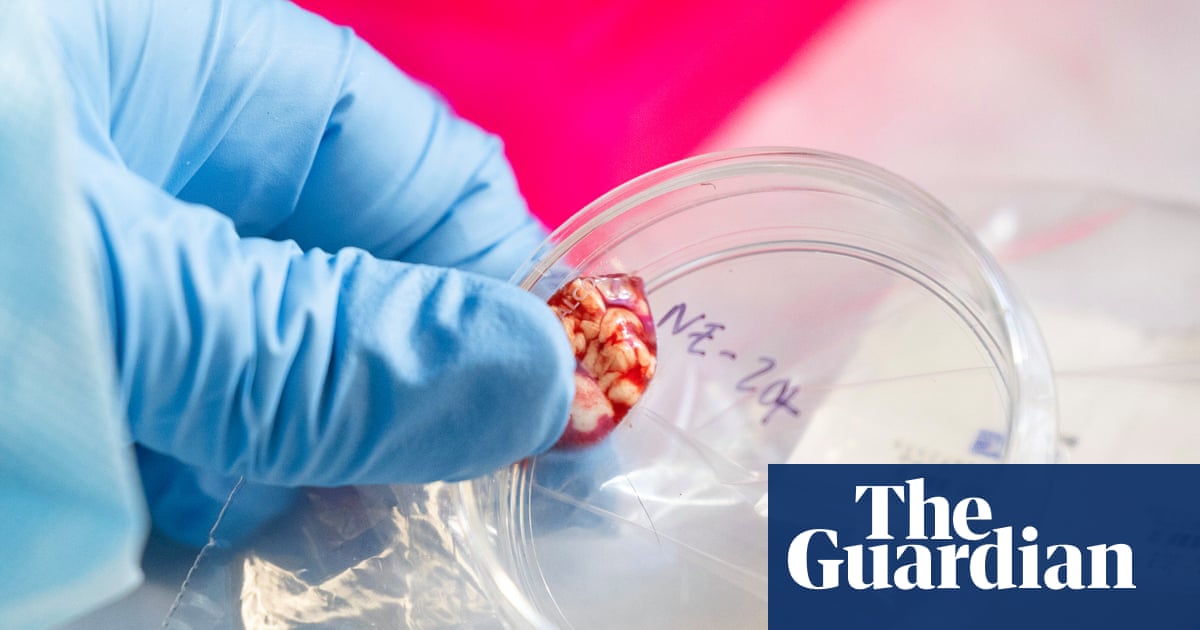
The Centers for Disease Control and Prevention (CDC) has temporarily paused diagnostic testing for a range of infectious diseases, including rabies, pox viruses, and several others, due to ongoing evaluation and reported downsizing, according to reports from The Guardian, The New York Times, CNN, AJMC, and The Hill. This disruption in testing capacity raises concerns about potential delays in diagnosis and public health surveillance.
Impact on Public Health Surveillance
The CDC’s decision affects testing for a significant number of pathogens, impacting the agency’s ability to rapidly identify and respond to potential outbreaks. According to reports, the pause is related to an evaluation of laboratory infrastructure and procedures, coupled with the effects of recent organizational changes within the CDC. The temporary halt includes testing for diseases like mpox, and various types of influenza. The CDC has not specified the exact duration of the pause, but stated it is working to restore full testing capacity as quickly as possible.
Diseases Affected by Testing Pause
The range of diseases impacted by the testing pause is broad. In addition to rabies and mpox, testing has been paused for other significant public health threats. The CDC has paused testing for a wide array of viral and bacterial infections. The Hill reported that the pause includes diagnostic testing for several other infectious diseases. This comprehensive disruption underscores the scale of the internal evaluation underway at the CDC.

Context of CDC Downsizing and Evaluation
The temporary suspension of testing coincides with a period of organizational restructuring and downsizing within the CDC. These changes, aimed at streamlining operations and improving efficiency, have raised concerns among public health experts about the agency’s ability to effectively monitor and respond to emerging health threats. The CDC has acknowledged the challenges posed by these changes and has committed to minimizing disruptions to essential public health services.
Expert Concerns and Potential Consequences
Public health officials have expressed concern that the temporary pause in testing could lead to delays in diagnosis, potentially resulting in increased disease transmission and more severe outcomes for patients. The CDC’s ability to quickly identify and characterize outbreaks is crucial for implementing effective control measures. Without timely diagnostic testing, public health departments may be hampered in their efforts to track the spread of infectious diseases and protect the public. The CDC is working to mitigate these risks by prioritizing testing for the most urgent cases and collaborating with state and local public health laboratories.
Global Health Implications and Ongoing Monitoring
The CDC’s role in global health security is paramount, and disruptions to its testing capacity have international implications. The agency plays a key role in detecting and responding to emerging infectious diseases that pose a threat to global health. ProMED-mail, a global electronic reporting system for emerging diseases and outbreaks, continues to provide critical early warnings, but relies on robust laboratory infrastructure for verification and characterization of pathogens. ProMED highlighted recent outbreaks of several diseases, including malaria and mpox, illustrating the ongoing need for effective surveillance systems.
WHO and CDC Collaboration
The World Health Organization (WHO) is closely monitoring the situation and is working with the CDC to ensure that essential public health functions are maintained. According to the WHO, collaboration between national and international health agencies is critical for responding to emerging infectious disease threats. The WHO provides guidance and support to countries around the world to strengthen their surveillance and response capabilities. The WHO continues to actively monitor outbreaks of diseases like mpox (WHO Mpox Outbreak Page), avian influenza, and Ebola, providing updates and recommendations to member states.
Emerging Infectious Diseases Research
Ongoing research into emerging infectious diseases is vital for developing new diagnostic tools, treatments, and prevention strategies. The CDC’s Emerging Infectious Diseases journal (CDC Emerging Infectious Diseases) publishes cutting-edge research on a wide range of infectious disease threats, including a recent study published in the February 2026 issue detailing life-threatening SARS-CoV-2 associated encephalopathy and multiorgan failure in children. This research underscores the importance of continued investment in infectious disease research and surveillance.
This pause in CDC testing underscores the fragility of public health infrastructure and the importance of sustained investment in laboratory capacity and workforce development. Effective disease surveillance and rapid response are essential for protecting public health in a world increasingly threatened by emerging infectious diseases.
