
Samsung Electronics faces its largest-ever labor disruption as nearly 45,000 unionized workers in South Korea threaten an 18-day strike starting May 21, 2026, over demands for a larger share of AI-driven profit surges—potentially disrupting the global memory chip supply chain critical to AI infrastructure.
The AI Bonus Divide Exposes Labor Tensions at Samsung
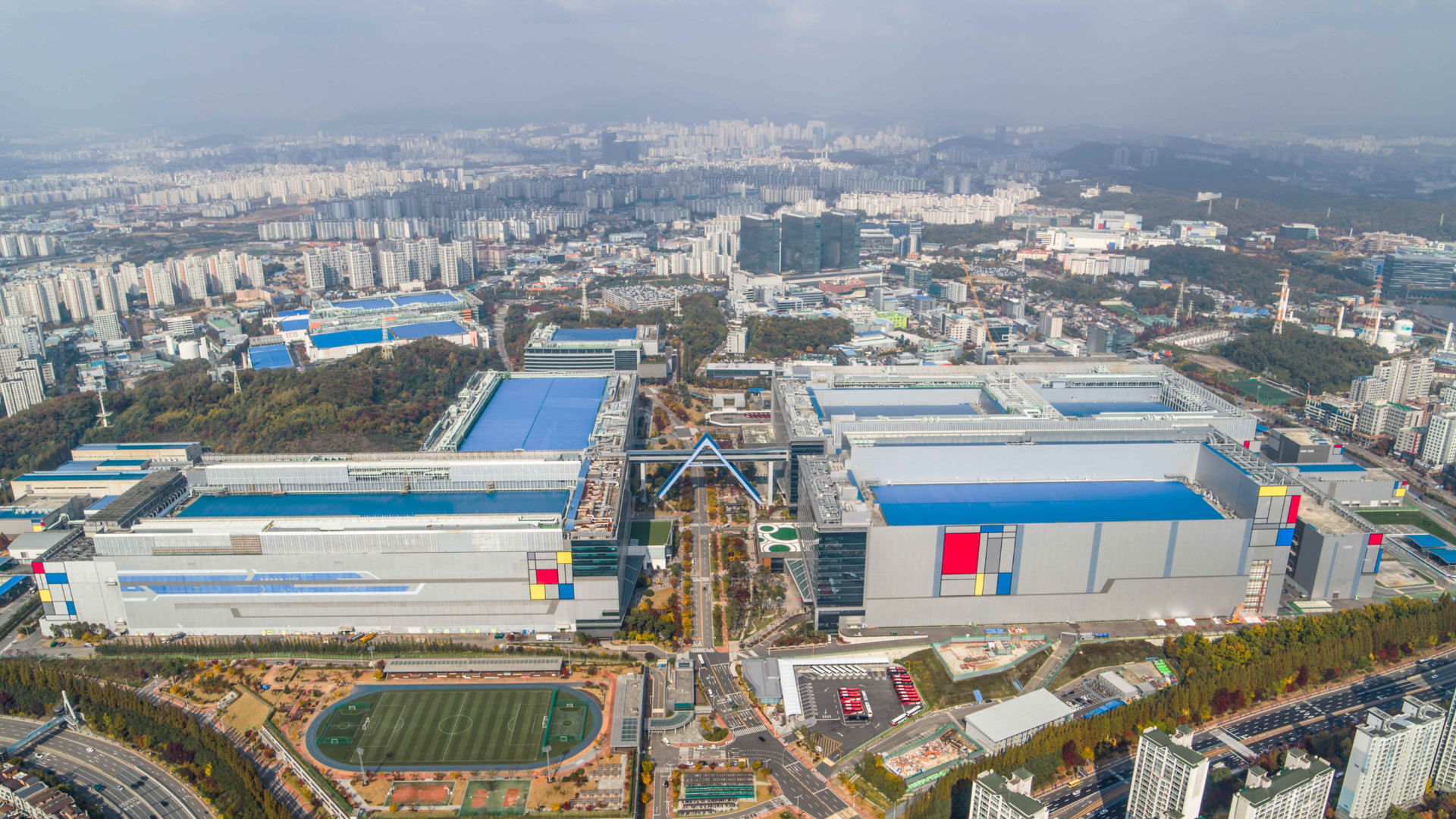
The strike, set to begin today, would be the largest work stoppage in semiconductor history, targeting Samsung’s three memory chip fabrication plants—the same facilities producing high-bandwidth memory (HBM) chips that underpin AI training and data centers. With Samsung controlling roughly one-third of the global DRAM market and a dominant share of HBM, the walkout threatens to ripple through the tech industry, where AI demand has already strained supply chains.
At the heart of the dispute is a widening gap between Samsung’s proposed bonuses for memory chip workers and those already secured by rival SK Hynix. In September 2025, SK Hynix settled with its union, guaranteeing employees 10% of annual operating profits as bonuses—equivalent to $460,000–$477,000 per worker in 2026, with projections nearing $900,000 next year. Samsung’s initial offer, announced in March 2026, would provide memory chip workers with bonuses totaling 607% of their annual salary—a figure still below SK Hynix’s payouts when scaled to Samsung’s workforce.
Union representatives have framed the strike as a fight for fairness in an industry reaping record profits from AI adoption. “The AI boom is enriching executives and shareholders, but workers who build the chips powering this revolution are being left behind,” said a union spokesperson in a statement to Reuters. “Samsung’s offer is insulting when SK Hynix workers are already walking away with life-changing sums.”
Why This Strike Could Reshape the AI Supply Chain
Samsung’s memory chip operations are not just a profit center—they are the linchpin of AI infrastructure. The company’s 12 fabrication lines in South Korea produce the DRAM and HBM chips that pair with Nvidia’s GPUs in data centers worldwide. Unlike past labor disputes, where shortages could be absorbed by inventory buffers, AI hyperscalers like Microsoft, Google, and Amazon have little room for disruption. A prolonged strike would force these companies to either halt AI training projects or scramble for alternative suppliers—of which there are only two others globally, SK Hynix and Micron.
Industry analysts warn that even a partial shutdown could trigger a cascading effect. “This isn’t just about bonuses; it’s about the reliability of the AI supply chain,” said a semiconductor supply chain expert at Fortune. “If Samsung’s plants go dark for 18 days, we’re talking about weeks of delayed AI model updates, slowed cloud services, and potentially higher costs for businesses dependent on generative AI.”
Samsung’s financial stakes are equally high. The company is investing $73 billion in semiconductor capital expenditures and R&D in 2026—the largest single-year chip investment by any firm in history. A strike would not only delay production but also risk alienating the same investors and governments that have propped up Samsung’s expansion into advanced nodes for AI chips.
The Bargaining Deadline: What’s Next?
As of May 21, negotiations remain stalled. Samsung’s proposal, which union leaders dismiss as inadequate, includes a 607% salary bonus for memory chip workers—equivalent to roughly 18 months of pay—but falls short of SK Hynix’s profit-sharing model. The union has demanded a direct allocation of 20% of Samsung’s operating profits to workers, citing the company’s 2025 net income of $38.6 billion.
South Korea’s labor laws allow for mandatory mediation if both sides fail to reach an agreement within seven days of the strike notice. However, with tensions already high, observers expect little movement before the walkout begins. “The union has made it clear they won’t back down without a fundamental shift in how Samsung shares its AI windfall,” said a labor relations analyst at the Financial Times.
What complicates matters is the timing. Samsung is in the midst of ramping up production for next-generation AI chips, including its latest HBM3e modules, which are critical for Nvidia’s upcoming Blackwell GPUs. Any delay in these shipments could force AI developers to postpone deployments or seek costly workarounds, such as overclocking existing hardware.
Broader Implications for Tech Labor
The strike underscores a broader trend: as AI drives record profits for semiconductor firms, their workforces are pushing for a larger slice of the pie. SK Hynix’s 2025 settlement set a precedent, proving that unions can extract substantial concessions in an industry where skilled labor is scarce. Samsung’s resistance suggests it believes its market dominance insulates it from similar pressure—but the strike may force a reckoning.
For other tech giants watching closely, the outcome could signal whether labor can leverage AI-driven profits into structural wage gains. “This is a test case for the entire industry,” said a spokesperson for the Korean Federation of Trade Unions. “If Samsung’s workers win, it could embolden tech labor movements worldwide.”
Meanwhile, the strike’s impact on Samsung’s stock and investor confidence remains uncertain. While the company has weathered labor disputes before, the stakes are higher this time. Analysts at Jefferies noted in a May 18 report that a prolonged strike could pressure Samsung’s 2026 earnings outlook, particularly if AI demand outpaces alternative supply solutions.
What Comes Next?
The next critical juncture is the seven-day mediation period, which begins May 28. If negotiations fail, the strike will proceed, with unions threatening to expand actions to other Samsung facilities if memory chip workers’ demands are not met. Samsung has not ruled out further concessions but has not yet signaled a willingness to match SK Hynix’s profit-sharing model.
For the tech industry, the immediate question is whether Samsung can mitigate supply chain risks through inventory releases or emergency production shifts. Longer-term, the strike may accelerate discussions about diversifying HBM production—a goal already on the radar of governments in the U.S. and Europe, which see semiconductor independence as a national security priority.
One thing is clear: the AI boom has not only transformed product markets but also labor dynamics. For Samsung’s 45,000 workers, the strike is a gamble—one that could redefine the terms of employment in an industry built on their expertise. For the rest of the world, the outcome will determine whether AI’s economic benefits extend beyond the boardroom.
