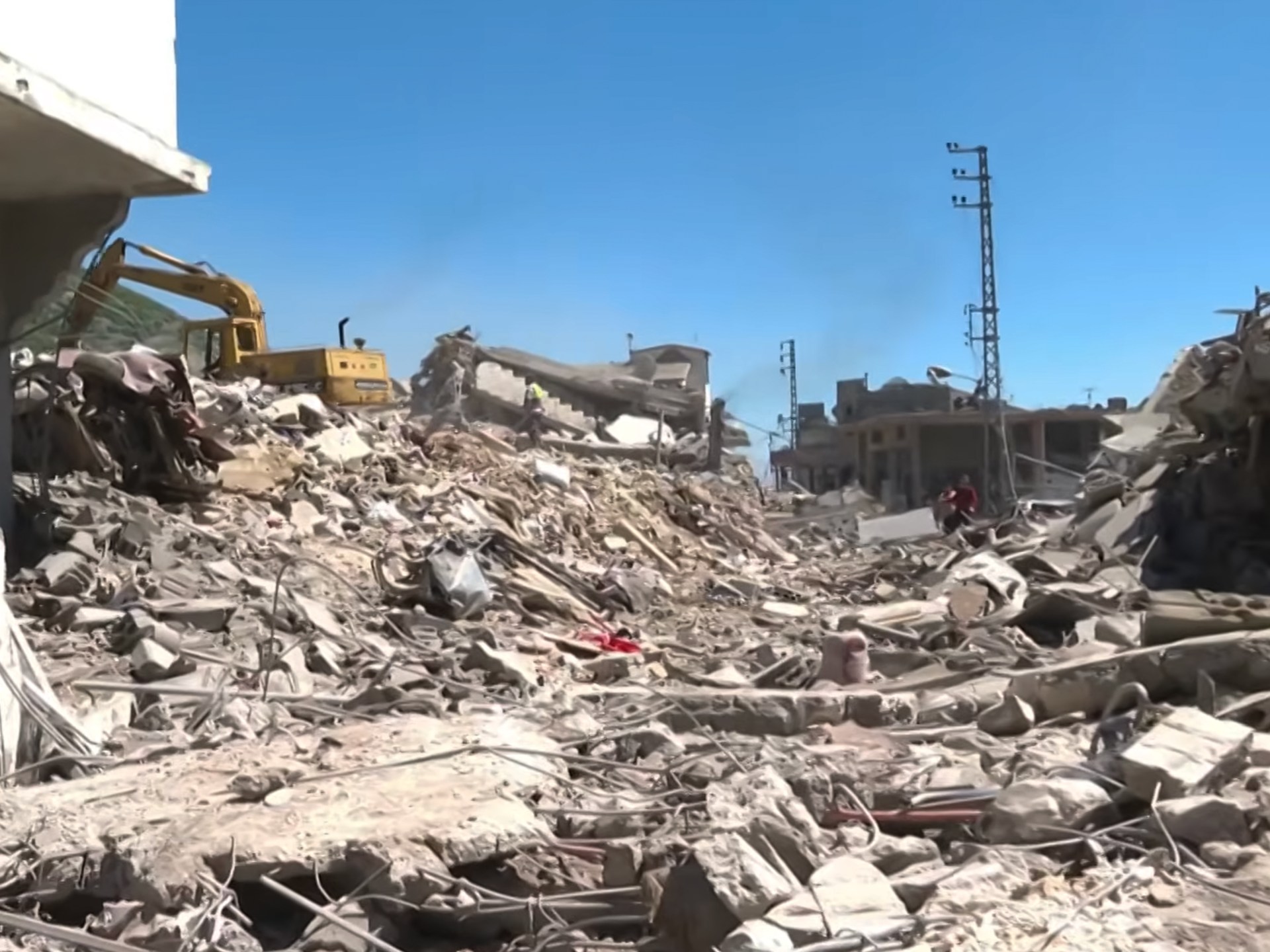
Israel and Hezbollah clashed along Lebanon’s Litani River on Tuesday, May 26, 2026, as Israeli forces intensified strikes targeting over 100 Hezbollah sites, killing at least 12 in the eastern village of Mashghara, according to Lebanon’s National News Agency. The violence came amid a fragile ceasefire brokered by the U.S. and tensions over Hezbollah’s drone attacks on Israeli positions. AP
Escalation Along the Litani River: A Strategic Flashpoint
The conflict centered on the Litani River, a de facto boundary in southern Lebanon where Israeli military control has expanded despite a month-old ceasefire. Israeli Prime Minister Benjamin Netanyahu authorized intensified strikes, citing Hezbollah’s use of explosive drones targeting Israeli troops in northern Israel and southern Lebanon. The military claimed to have hit storage facilities, command centers, and observation points, with one strike in Mashghara killing 12, including multiple family members. AP
Hezbollah retaliated with rocket, artillery, and drone attacks on Israeli positions near Nabatieh, a city Israel has targeted in recent days. The group’s Al-Manar TV stated it repelled Israeli advances along the riverbanks, while Lebanese civil defense workers searched rubble in Tyre for survivors. “By just saying a few words on TV, (Netanyahu) causes everyone to panic and flee their homes,” said Beirut resident Tony Aboud, reflecting widespread fear as Israeli evacuation orders urged residents north of the Zahrani River to flee. <a href="https://www.aljazeera.
Hezbollah’s Response and Strategic Moves
Hezbollah’s attacks on Monday targeted Israeli barracks and military posts in northern Israel, including a series of drone strikes on Shomera barracks and a post in Misgav Am. The group framed these as retaliation for Israel’s “violation of the ceasefire,” a claim Israel denied. The Israeli military accused Hezbollah of breaching the truce by operating near civilian areas, justifying its strikes on southern Lebanese towns like Arnoun and Yohmor al-Shaqif. <a href="https://www.theguardian.
Lebanese authorities reported at least 10 attacks in half an hour on Mashghara, with excavators still searching for victims trapped in rubble. “There’s no final death toll because people remain missing,” said Al Jazeera’s Zeina Khodr, who described the strikes as part of a broader Israeli “pressure campaign” to force Hezbollah to halt drone operations. The Israeli military also issued evacuation orders for 10 villages, warning residents near Hezbollah facilities to “move north of the Zahrani River” or face “life-threatening risks.” <a href="https://www.aljazeera.
Domestic Tensions in Lebanon: A Nation Under Pressure
Lebanon’s government, which has pledged to disarm Hezbollah, faces mounting pressure as the conflict disrupts daily life. The capital, Beirut, has avoided direct strikes, but fear lingers over Israel’s expanding operations. “I don’t know what’s going to happen and how long we can live like this,” said Aboud, highlighting the psychological toll on civilians. The Lebanese military has struggled to balance its reform agenda with the reality of Israeli troop presence in southern Lebanon, where it claims Hezbollah’s continued attacks justify its occupation. AP

Hezbollah, meanwhile, has vowed to persist, framing its resistance as a fight against Israeli “occupation.” The group’s leader, Hassan Nasrallah, has called for unity among Lebanon’s Shia population, while the government accuses Hezbollah of undermining national security. The clash has also strained Lebanon’s fragile economy, with inflation and repression fueling unrest among residents. “The country is crushed,” one diaspora activist told The Times of Israel, urging the U.S. and Israel to “finish regime off.”
International Implications: A Fragile Ceasefire and Unresolved Tensions
The U.S.-brokered ceasefire, which took effect on April 17, 2026, has failed to halt the cycle of violence. Hezbollah’s drone attacks and Israel’s strikes have kept the conflict in a near-daily state of tension, complicating efforts to secure a lasting peace. Iranian officials have criticized U.S. “confusion” and Israeli interference, while the U.S. remains focused on managing its alliance with Israel and its broader strategy in the region. <a href="https://www.theguardian.
Netanyahu’s pledge to “crush” Hezbollah has
