.jpeg "1765960291-spaceX-ipo%20(2).jpeg")
SpaceX’s IPO filing on May 20, 2026, reveals Elon Musk’s central role as CEO, CTO, and chairman—but also highlights legal and operational risks, including $530 million in estimated costs from ongoing lawsuits tied to his other ventures.
Elon Musk’s Dual Role: CEO and Liability
SpaceX’s long-awaited initial public offering (IPO) filing, made public May 20, confirms what insiders have long suspected: Elon Musk’s personal leadership is both the company’s greatest asset and its most significant risk. As CEO, CTO, and chairman, Musk’s influence over SpaceX’s direction is unparalleled, but the filing’s 36 pages of risk factors underscore how his other ventures—particularly his battles over artificial intelligence and social media—could destabilize the aerospace giant.
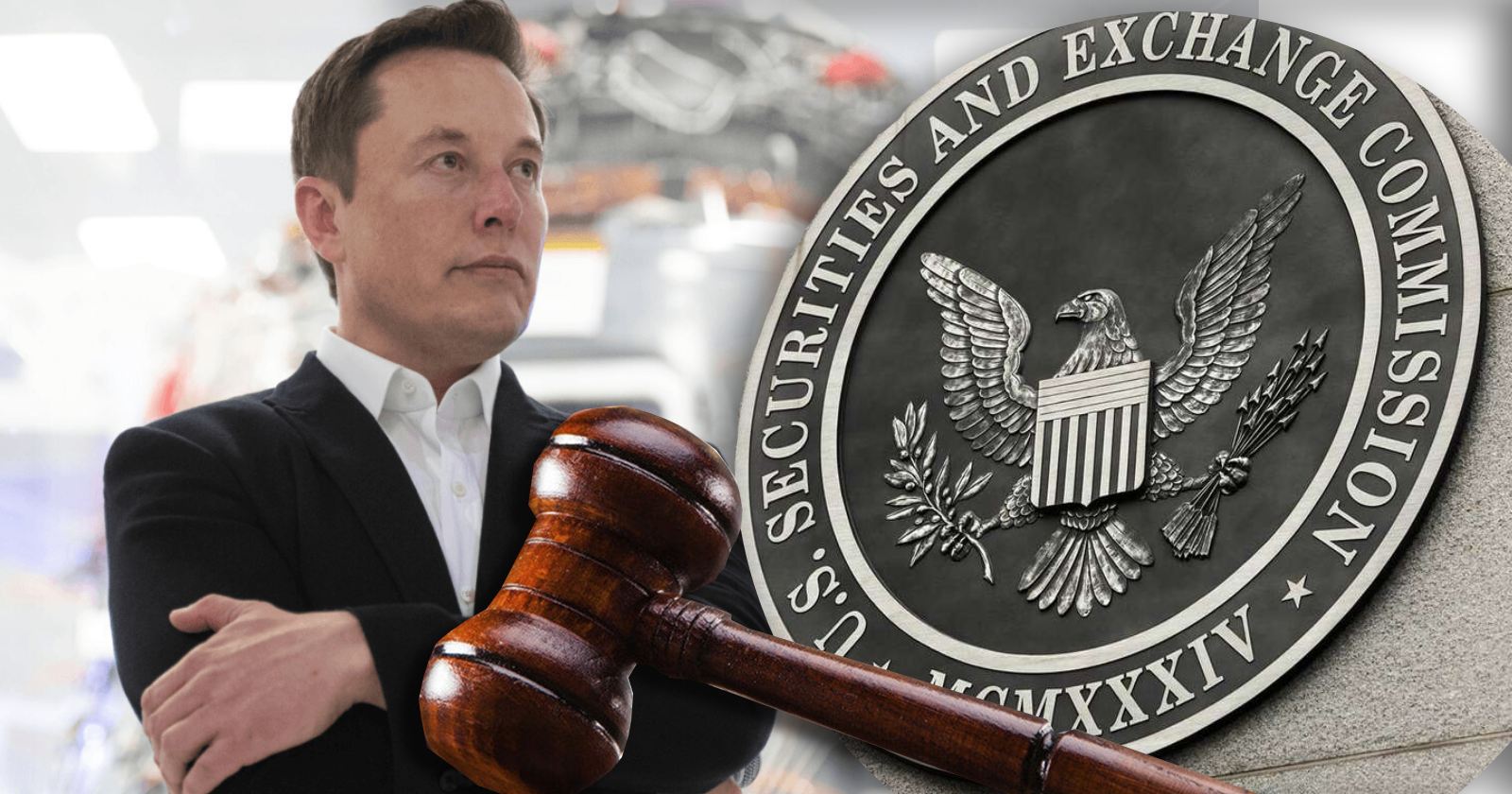
The filing explicitly names Musk’s legal entanglements as a financial threat. SpaceX estimates that ongoing litigation stemming from the absorption of his AI and social media companies could cost the firm $530 million. These disputes, while technically separate from SpaceX’s core operations, expose the company to indirect fallout, including reputational damage and resource diversion.
“Legal proceedings involving our founder and certain of his other business ventures may result in adverse judgments, settlements, or other financial obligations that could materially harm our business.”
SpaceX S-1 Filing, May 20, 2026
This is not merely hypothetical. In 2025, SpaceX reported a net loss of $4.9 billion on $18 billion in revenue—a figure driven largely by its Starlink satellite division, which alone generated $11 billion last year. The company’s financial health hinges on execution, yet Musk’s dual role as both visionary and litigant introduces volatility. Analysts note that while SpaceX’s valuation could top $1.75 trillion at IPO—making it one of the largest ever—the company’s growth trajectory depends on resolving these external pressures.
Starship’s Uncertain Timeline: A Test of Leadership
Just as the IPO filing laid bare SpaceX’s legal exposure, Thursday’s scheduled launch of the Starship V3 rocket—Flight 12—serves as a real-time stress test for Musk’s ability to balance innovation with stability. The Starship program, critical to SpaceX’s long-term mission of interplanetary colonization, has faced repeated delays. The filing’s risk factors explicitly cite “development challenges and regulatory hurdles” for Starship as a potential drag on profitability.
Today’s launch attempt, targeting 6:30 p.m. EDT from Starbase, Texas, follows a 7-month hiatus in Starship test flights. Success is not guaranteed: previous iterations have ended in explosions or partial failures. Yet the stakes are higher than ever. SpaceX’s IPO prospectus frames Starship as the cornerstone of its future revenue streams, with potential contracts from NASA and commercial satellite operators contingent on proving the rocket’s reliability.
If Flight 12 succeeds, it could signal SpaceX’s ability to execute under pressure—a critical narrative for investors. If it fails, the setback would echo the filing’s warnings about “technical risks inherent in developing new aerospace technologies.” The contrast between Musk’s public optimism and the filing’s cautious language highlights a tension at the heart of SpaceX’s IPO pitch: can the company deliver on its audacious goals while managing the fallout from its founder’s broader ambitions?
The Starlink Dominance Paradox
SpaceX’s financial filings reveal a company whose revenue streams are both its strength and its vulnerability. Starlink, the satellite internet constellation, accounted for over half of the company’s $18 billion in 2025 revenue—$11 billion in gross proceeds. Yet this dominance creates a single-point failure risk. The filing notes that regulatory or market shifts could disrupt Starlink’s growth, directly impacting SpaceX’s bottom line.
Compounding this is the company’s expanding AI division, which the filing describes as a “nascent but high-potential” area. While SpaceX has not disclosed revenue from AI-related projects, the S-1 hints at synergies with Starlink’s data infrastructure. However, the integration of AI into SpaceX’s core operations also introduces new risks, particularly around intellectual property and talent retention in a competitive tech landscape.
For investors, the question is whether SpaceX can diversify beyond Starlink without diluting its focus. The IPO’s $75 billion target—nearly half of which would fund “expansion of our satellite and AI capabilities”—suggests confidence in this transition. Yet the filing’s acknowledgment of “intense competition in the space industry” underscores the challenge ahead.
What Comes Next: IPO and Beyond
The path to SpaceX’s Nasdaq listing is now clear, but the road ahead is fraught with uncertainties. The company’s ticker, SPCX, has been set, and the IPO is expected to proceed later this year. However, the filing’s emphasis on Musk’s central role—and the risks attached to it—raises questions about governance. With Musk retaining 79% voting control despite owning only 42% equity, the IPO does little to decentralize power, leaving the company vulnerable to the same leadership risks that have defined its history.
For now, the focus remains on Thursday’s Starship launch. A successful Flight 12 could bolster investor confidence, demonstrating SpaceX’s ability to innovate under pressure. A failure, meanwhile, would force a reckoning with the filing’s warnings about technical and legal risks. Either outcome will shape the narrative leading up to the IPO—and determine whether SpaceX’s valuation reflects its potential or its perils.
One thing is certain: Elon Musk’s presence at the helm is not just a leadership model for SpaceX. It is, increasingly, a liability the company must navigate to survive its transition to public markets.
