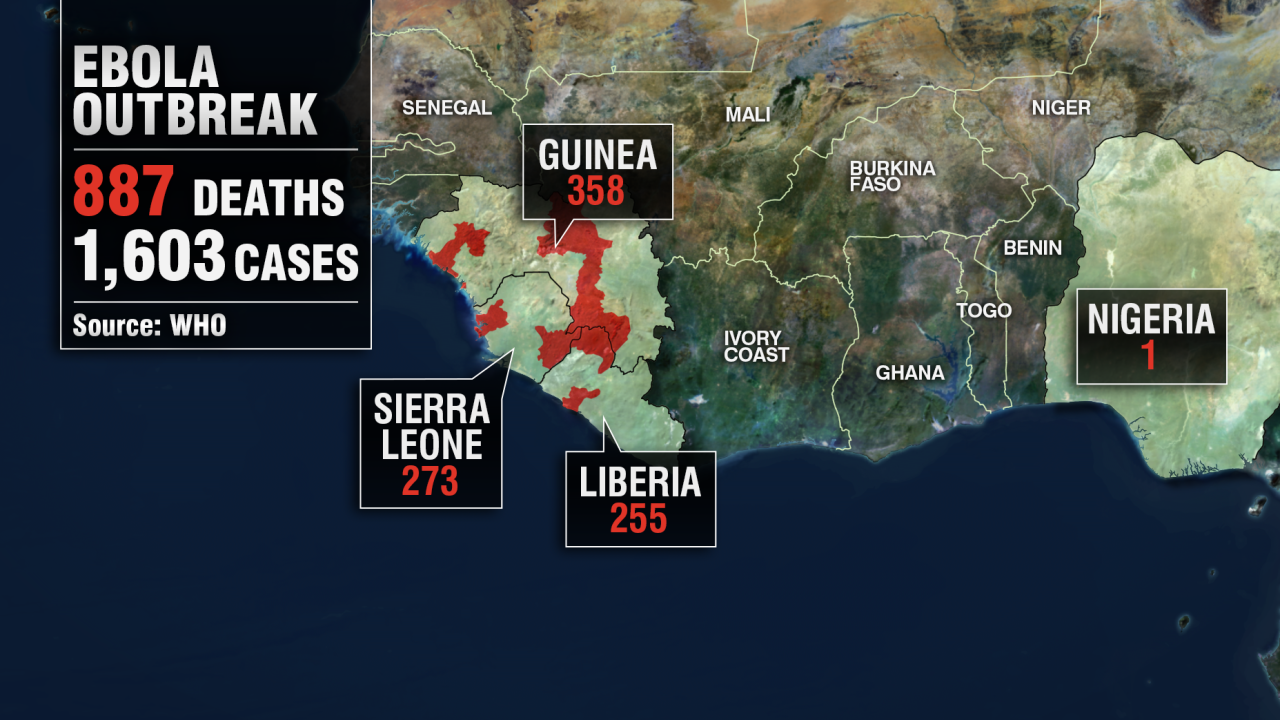
The World Health Organization has officially declared the current Ebola outbreak in the Democratic Republic of the Congo and Uganda a public health emergency of international concern. As of May 16, 2026, health authorities have reported over 600 suspected cases and 139 deaths, prompting the U.S. government to implement mandatory enhanced screening at Dulles International Airport.
A Public Health Emergency of International Concern
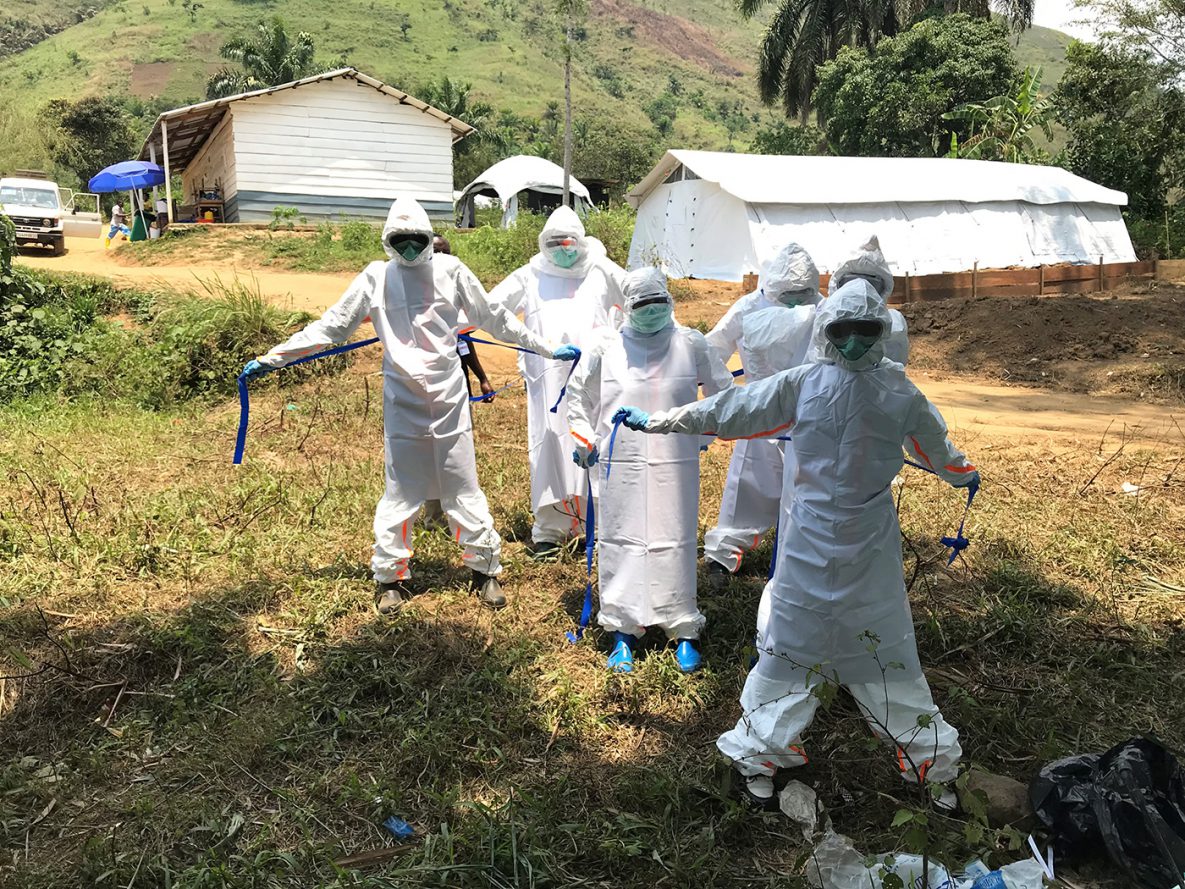
Ebola frontline responders equipment
The director-general of the World Health Organization (WHO) has determined that the ongoing Ebola disease epidemic, caused by the Bundibugyo virus, meets the criteria for a public health emergency of international concern (PHEIC) under the International Health Regulations. This determination follows reports of laboratory-confirmed cases and community deaths across the Ituri Province in the Democratic Republic of the Congo (DRC) and recent cases in Kampala, Uganda, as detailed in the latest WHO emergency declaration.
The situation is characterized by unusual clusters of community deaths and clinical signs suggestive of viral hemorrhagic fever. Health officials have expressed specific alarm regarding healthcare-associated transmission, citing at least four deaths among medical staff. These gaps in infection prevention and control measures have created a significant risk for the virus to amplify within local clinical settings.
Heightened Screening and Border Preparedness
Declares Ebola Outbreak United States
In response to the escalating crisis, the U.S. Department of Homeland Security has mandated that all American citizens and permanent residents arriving from the DRC, Uganda, or South Sudan must enter the United States through Dulles International Airport. According to NBC4 Washington, this measure centralizes public health resources for enhanced screening, even as the Centers for Disease Control and Prevention confirms there are currently no known cases of the virus within the United States.
The directive, signed by National Institutes of Health Director Jay Bhattacharya, emphasizes that the global nature of air travel necessitates proactive measures. The official order highlights the risk of importation, stating:
“The interconnected nature of global air travel therefore presents a credible pathway for Bundibugyo virus disease importation into the United States, underscoring the importance of aggressive surveillance, traveler monitoring, airport screening, healthcare preparedness, and rapid containment capabilities,” Jay Bhattacharya, National Institutes of Health Director
The Challenges of the Bundibugyo Strain
Relief group says Trump's aid cuts to BLAME for DEADLY Ebola outbreak
The outbreak is fueled by the Bundibugyo virus, a strain that presents unique clinical challenges. Unlike other, more frequently studied forms of Ebola, this virus lacks readily available vaccines or specific treatments. Epidemiologists and frontline responders have noted that the absence of these tools forces a return to fundamental infection control practices.
Dr. Celine Gounder, an infectious disease specialist and editor-at-large for public health at KFF Health News, underscored the severity of the situation for those on the ground. Reflecting on the lack of medical countermeasures, she stated:
“There’s nothing even close to ready for clinical trials. And so that means responders, healthcare workers and other aid workers are really back to the basics.” Dr. Celine Gounder, infectious disease specialist
The virus spreads through close contact with the bodily fluids of infected or deceased individuals, including blood, sweat, vomit, and feces. Dr. Gounder noted the disproportionate impact on the medical community, adding:
“So very often we see doctors and nurses among the first to be infected and to die.” Dr. Celine Gounder, infectious disease specialist
Future Outlook and Vaccine Timeline
Ebola frontline responders equipment
While global health agencies are working to contain the spread, the timeline for potential medical intervention remains lengthy. Dr. Vasee Moorthy, a special adviser in the office of the WHO chief scientist, indicated that the most promising vaccine candidate for the Bundibugyo strain is not expected to be available for at least six to nine months.
The WHO has acknowledged the cooperation of the leadership in both the DRC and Uganda, noting their commitment to taking vigorous actions to mitigate the risk of international spread. For the immediate future, the international response will continue to focus on strengthening surveillance and isolating suspected cases to prevent further transmission in high-risk health zones.
Individuals who have traveled through the affected regions are encouraged to monitor their health for symptoms and consult their healthcare provider if they develop concerns.
Dr. Nadia Rowe oversees medical, science, and wellness reporting. Holding a public-health doctorate and having contributed to Health Spectrum Review, she bridges scientific rigor with accessible communication. Her mission: make accurate health information available to everyone.