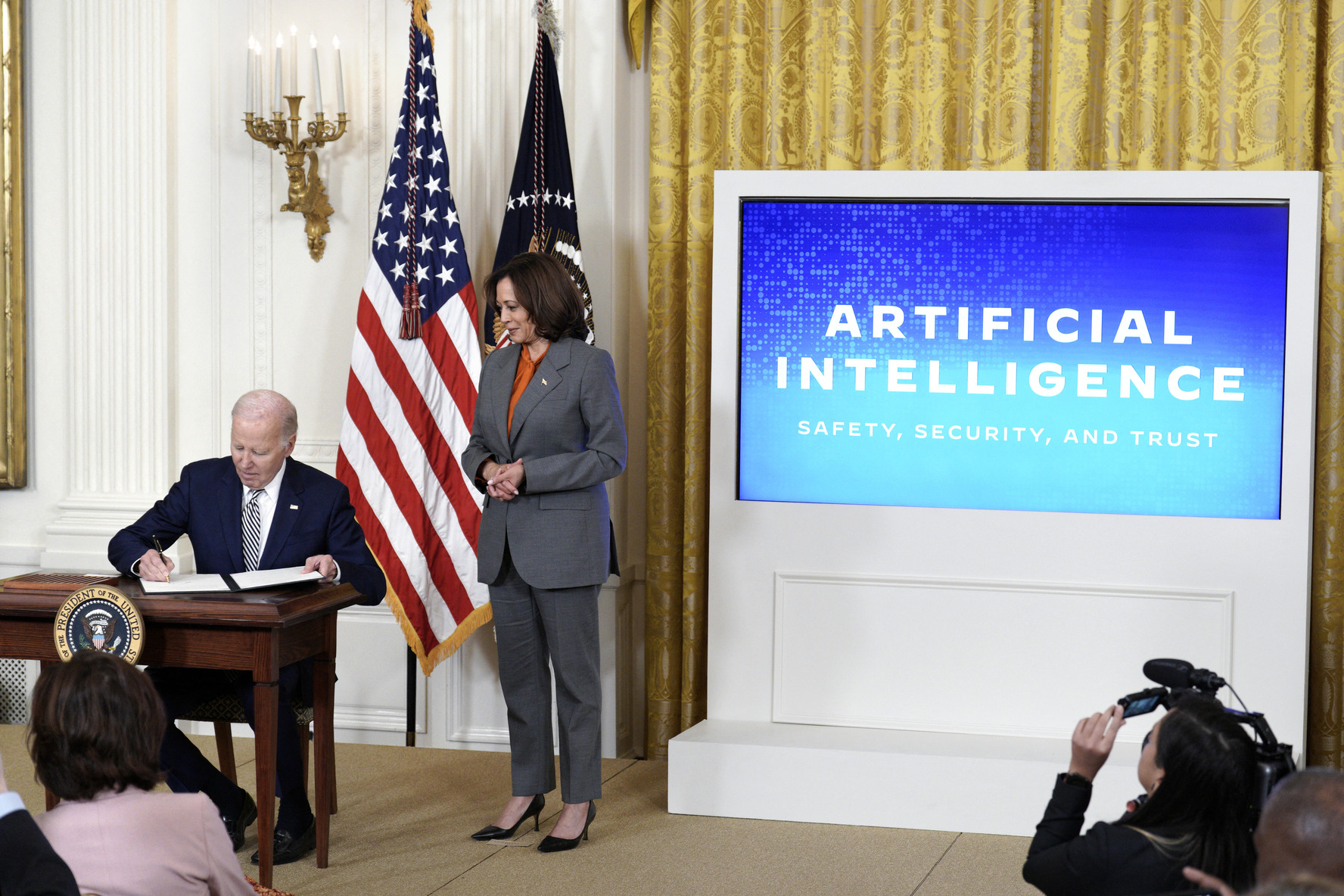
The White House is preparing a new executive order this week to preempt state-level AI regulations, according to drafts circulated internally since December 2025, as the Biden administration seeks to centralize federal oversight amid a patchwork of conflicting state laws. The move follows a December 2025 order revoking prior barriers to U.S. AI innovation, signaling a push to streamline compliance for companies while addressing concerns over ideological bias in state mandates.
A Federal Push to Override State AI Laws
The White House is finalizing an executive order aimed at eliminating state-level AI regulations that it argues create an unworkable patchwork for businesses, particularly startups. Drafts of the order, titled *Eliminating State Law Obstruction of National AI Policy*, have been circulating since December 2025, with the latest version reflecting a hardening stance against state interference in federal AI strategy. The order’s focus on preempting state laws—such as Colorado’s 2025 ban on “algorithmic discrimination”—aligns with broader efforts to assert federal primacy in AI governance.
According to internal documents, the order will direct federal agencies to review and block state laws that conflict with national AI policy, particularly those imposing ideological constraints on model development. The White House argues that such laws not only fragment the market but also risk forcing companies to alter AI outputs to comply with disparate state requirements, potentially undermining innovation.
Background: A Year of Federal AI Policy Shifts
The latest draft builds on two key executive actions from 2025:

- January 2025: President Biden revoked prior AI restrictions under Executive Order 14179, clearing regulatory hurdles to accelerate U.S. AI leadership. The order framed AI as critical to national security and economic dominance, positioning the U.S. in a global race with adversaries.
- December 2025: A follow-up order, *Ensuring a National Policy Framework for Artificial Intelligence*, explicitly targeted state laws that the administration deemed obstructive. The draft cited Colorado’s law as an example, where requirements to avoid “differential treatment or impact” on protected groups could force AI models to produce false or biased results to comply.
Brookings Institution analysts noted in November 2025 that the December order marked a shift toward preemptive federal action, though critics warned it could sideline state-level protections for consumers and marginalized groups. The White House has not yet released the finalized order, but leaks suggest it will include provisions for federal agencies to issue binding guidance overriding conflicting state mandates.
Industry and State Reactions: Divided Over Federal Preemption
Tech industry groups have largely welcomed the federal approach, arguing that a unified regulatory framework would reduce compliance costs and legal risks. The Computer & Communications Industry Association (CCIA) stated in a 2025 filing that a national AI policy would provide clarity for businesses operating across state lines, particularly in sectors like healthcare and finance where AI adoption is rapid
. However, privacy advocates and state attorneys general have raised concerns, with some warning that federal preemption could erode protections for data privacy and algorithmic fairness.
Colorado Attorney General Phil Weiser, whose state’s law is a primary target of the draft order, has not publicly commented on the latest developments. However, in 2025, Weiser’s office defended the law as necessary to prevent AI systems from reinforcing discrimination, stating that without guardrails, AI models can perpetuate harm under the guise of neutrality
. The tension between state-level safeguards and federal streamlining reflects a broader debate over whether AI regulation should prioritize innovation or equity.
What’s Next: Timeline and Uncertainties
The White House has not set a formal release date for the final order, but internal discussions suggest it could be issued within weeks.
- Legal challenges: State governments and advocacy groups are likely to sue over preemption efforts, testing the federal government’s authority under the Commerce Clause. Legal experts anticipate prolonged litigation, with outcomes hinging on court interpretations of AI’s interstate impact.
- Congressional oversight: While the executive order carries immediate force, Congress could act to codify or revise the policy. Bipartisan AI bills introduced in 2025—such as the *AI Innovation and Consumer Protection Act*—remain stalled, leaving the White House to proceed unilaterally.
- Global repercussions: The U.S. move could influence international AI governance frameworks, particularly as the EU’s AI Act takes effect in 2026. A federal-state conflict over AI standards may weaken the U.S. position in global negotiations.
For now, the draft order signals a decisive push by the Biden administration to consolidate AI policy under federal control, even as state-level experiments continue. The outcome will shape not only U.S. tech regulation but also the balance between innovation and protection in the AI era.
