House Republicans on Thursday abruptly canceled a vote on a war powers resolution aimed at curbing President Donald Trump’s military actions in Iran, marking a pivotal moment in the escalating congressional battle over the conflict. The decision, which delayed the measure’s passage, came as Democrats accused Republicans of avoiding accountability for the war, which has persisted for over two months amid a fragile ceasefire. The move underscores deepening divisions within Congress and growing public discontent over the conflict’s economic and geopolitical consequences.
Conflict Escalation: What Each Source Reports
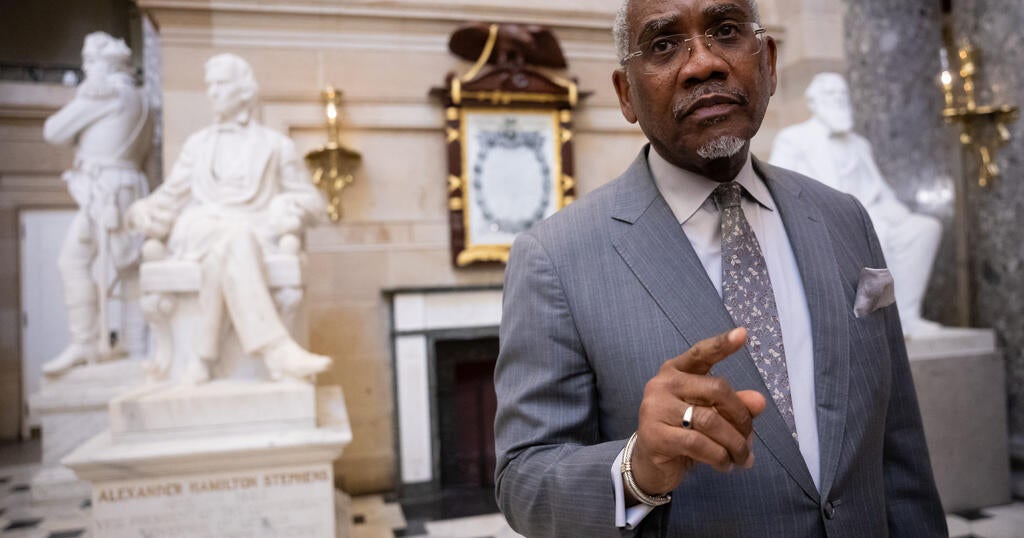
The House had planned to vote on a Democratic-sponsored resolution requiring Trump to seek congressional approval for continued military action in Iran or withdraw U.S. forces. However, GOP leaders, including House Speaker Mike Johnson, declined to proceed, citing absences among lawmakers. “We had the votes without question and they knew it, and as a result they’re playing a political game,” said Democratic Rep. Gregory Meeks, who spearheaded the effort. The resolution, which appeared to have enough support to pass, would have imposed strict limits on Trump’s authority to wage war without legislative backing, according to CBS News.

In contrast, the Senate advanced a similar bill on Tuesday, with a 50-47 vote that reflected a growing rift within the GOP. Louisiana Senator Bill Cassidy, who recently lost a primary election, defied Trump by supporting the measure, signaling a shift in Republican priorities. “Republicans are starting to crack, and momentum is building to check him,” said Senate Democratic leader Chuck Schumer, reported by AP News. The Senate vote, which included support from three GOP senators, highlighted the administration’s waning control over its own party.
Reactions and Political Calculus
Democrats condemned the House’s decision as a betrayal of service members and a failure to address public concerns. “Even as we prepare to recognize our nation’s fallen heroes on Memorial Day, House Republicans refuse to show up and be accountable to the brave service members that have been recklessly put in harm’s way,” said House Minority Leader Hakeem Jeffries in a joint statement, CBS News reported. The move came as polls showed most Americans disapprove of the war, with rising gas prices and disruptions in global shipping fueling public frustration.
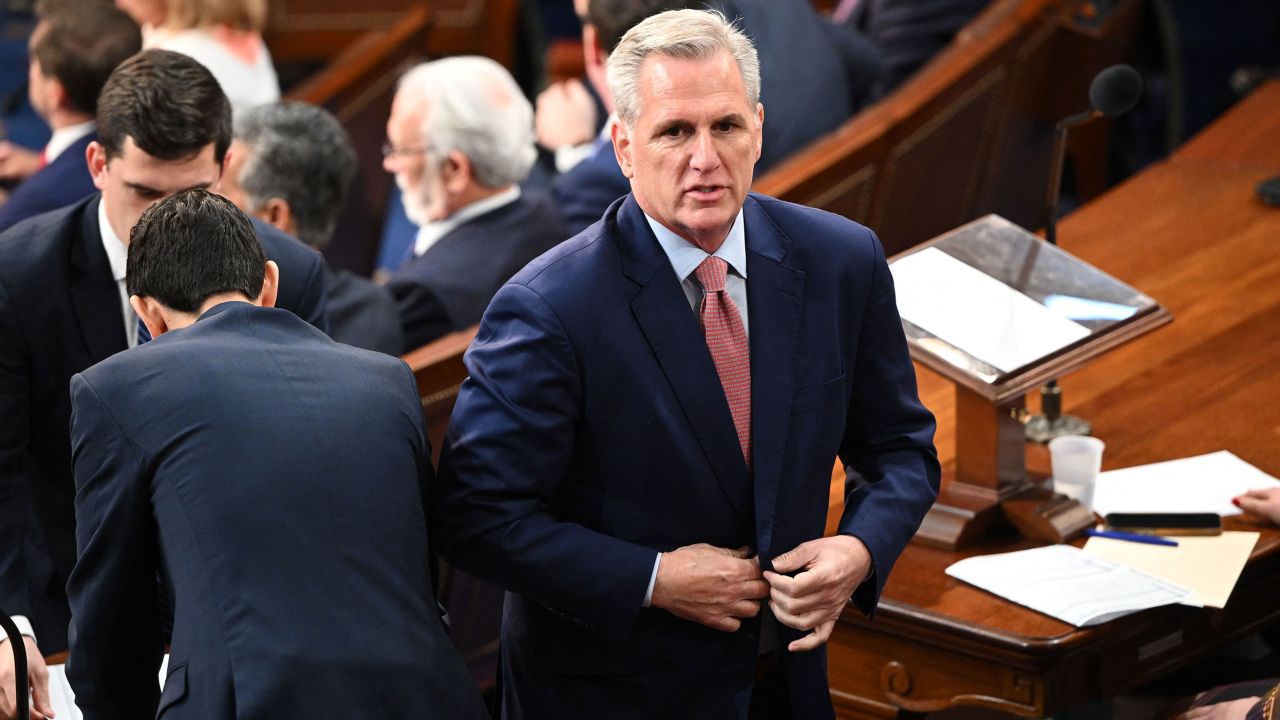
Republican leaders, however, framed the delay as a procedural tactic. House GOP Leader Steve Scalise argued that the vote was postponed to allow absent lawmakers to participate, CBS News noted. Yet, the decision exposed the party’s internal fractures, particularly as Trump’s influence over Senate Republicans weakened following Cassidy’s primary loss. “While I support the administration’s efforts to dismantle Iran’s nuclear program, the White House and Pentagon have left Congress in the dark on Operation Epic Fury,” Cassidy said on social media, AP News reported. His comments underscored a broader demand for transparency within the party.
The Road Ahead: House Votes and Uncharted Territory
Despite the setback in the House, Democrats remain optimistic about their chances of passing a similar resolution. A war powers measure narrowly failed in the House last week, ending in a 212-212 tie, AP News noted. The House is expected to vote again on Wednesday, with the lone Democratic defector, Rep. Jared Golden of Maine, pledging to support the measure this time. However, the administration’s refusal to comply with congressional demands remains a critical unknown. “Even if Congress eventually passes legislation to compel Trump to withdraw from the conflict, it’s not clear that he would comply,” AP News reported.
The situation reflects a broader struggle over executive power and congressional oversight. While the Senate’s vote marked a symbolic victory for Democrats, the House’s delay highlights the challenges of uniting a divided legislature. As the conflict enters its third month, the stakes for both parties—and the American public—continue to rise. “I’m an American. I don’t believe in getting hit and walking away and pretending as though it didn’t happen,” said a Republican lawmaker, CBS News quoted, capturing the tension between military resolve and political accountability.
