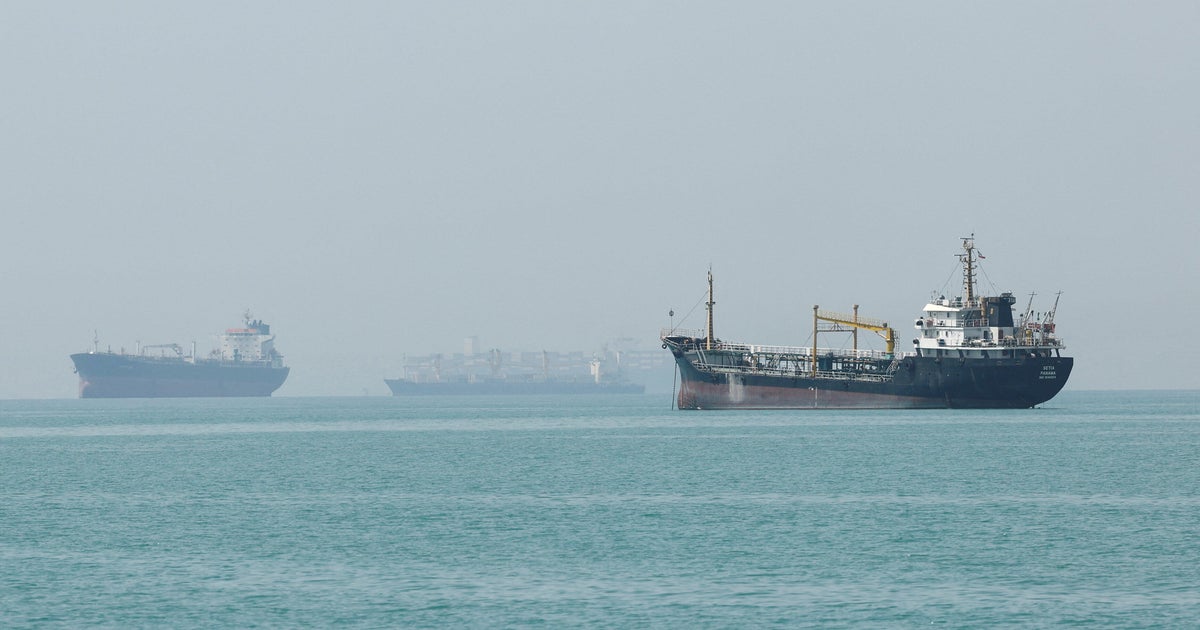
President Trump declared Saturday that the U.S. and Iran are “getting a lot closer” to a peace deal, warning that time is running out to avert a catastrophic escalation in the Strait of Hormuz. With Secretary of State Marco Rubio pushing a UN resolution to force Iran to end its attacks on shipping and toll demands, the White House insists the final agreement will block Iran’s nuclear ambitions—but only if “we get everything we want.”
Trump’s Hardline Stance: “We Get Everything or Nothing”
Trump’s blunt ultimatum—”I will only sign a deal where we get everything we want”—marks a sharp contrast to the urgency of his private warnings to Iran. Earlier this month, he threatened that “a whole civilization will die” without an accord, and in recent days, he’s told regional leaders that “the clock is ticking.” Sources close to the negotiations confirm Trump is still weighing proposals, consulting advisers, and speaking with Gulf allies like Saudi Arabia and the UAE. But his public posture leaves little room for compromise: If Iran doesn’t fully capitulate on nuclear enrichment, sanctions relief, and Strait of Hormuz access, the U.S. will walk away.
What Trump won’t say publicly is whether his team has already secured concessions. CBS News reports that the latest U.S. proposal includes a process to reopen the Strait of Hormuz, the unfreezing of some Iranian assets, and continued negotiations—but crucially, it does not yet include a full lifting of sanctions. Trump’s insistence on “everything” suggests he’s holding out for more.
The UN Gambit: A Resolution with “The Highest Number of Co-Sponsors Ever”
While Trump negotiates, Rubio is pushing a diplomatic offensive at the UN Security Council. A Bahrain-led resolution—backed by nearly every nation present—calls on Iran to halt attacks on shipping, remove sea mines from the Strait of Hormuz, and abandon its proposed toll system. The draft has already drawn the highest number of co-sponsors of any resolution ever, Rubio said Friday, adding that only China and Russia—both permanent council members—could veto it.
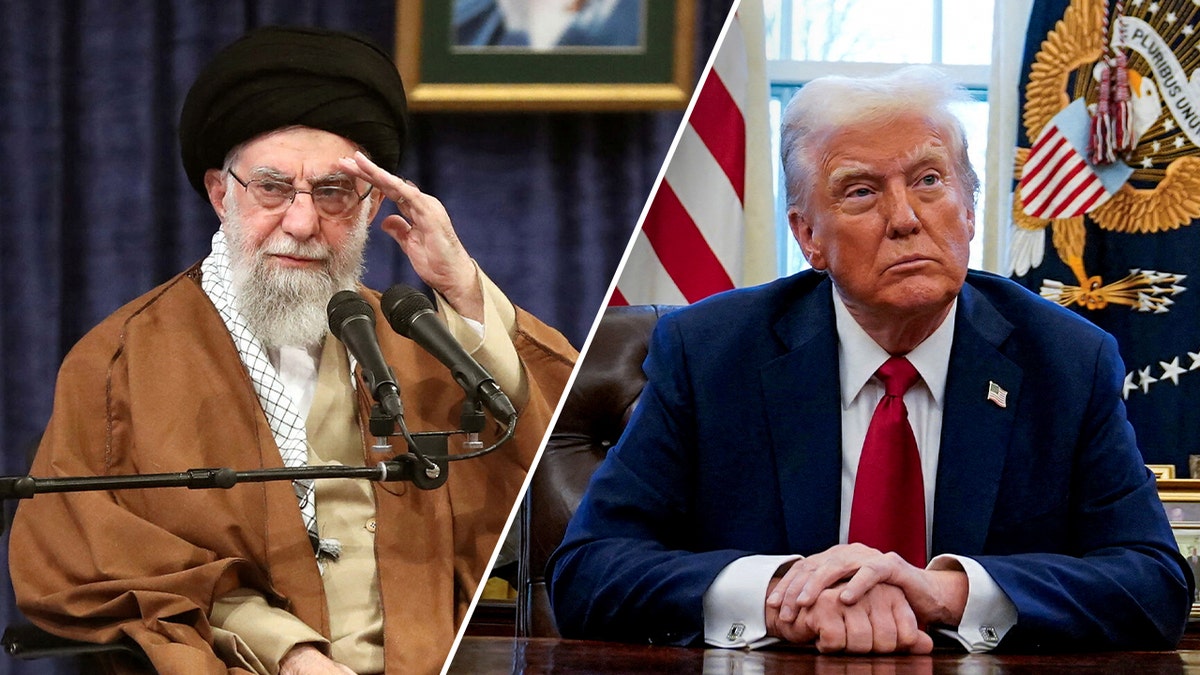
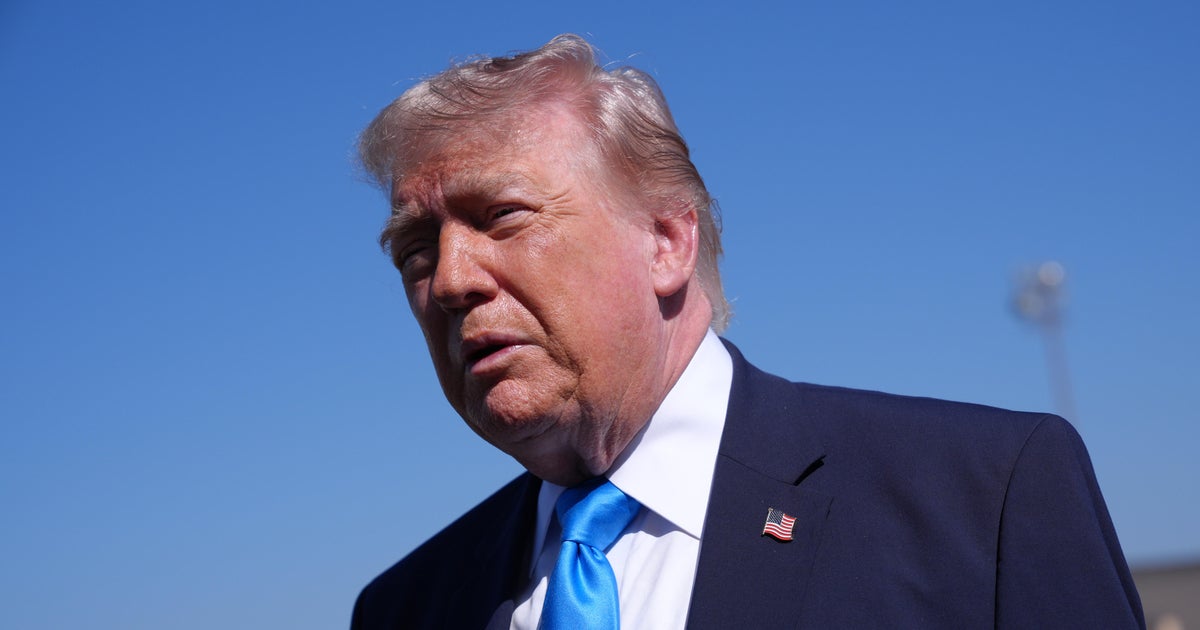
Rubio’s tone was defiant. “Let’s see if the United Nations still works,” he said, referencing last month’s veto of a similar resolution by China and Russia. The stakes are clear: If the council fails to act, the Strait of Hormuz—through which 20% of global oil passes—could become a battleground. Iran’s Ambassador, Amir Saeid Iravani, dismissed the resolution as “deeply flawed and one-sided,” arguing that the real solution is an end to the U.S.-Israeli war and the lifting of American sanctions on Iranian ports.
Yet Rubio’s confidence may be misplaced. While “almost every country represented” has co-sponsored the resolution, a veto from Beijing or Moscow would scuttle it. Rubio acknowledged the risk: “Unfortunately, a couple of countries on the Security Council are thinking about vetoing it. That would be lamentable.” The question now is whether Trump’s leverage over Iran—or his threat of unilateral action—can force a consensus.
What Iran Wants vs. What the U.S. Demands: The Nuclear Deadlock
Trump’s public comments reveal the core sticking point: Iran’s nuclear program. He told CBS News that any final deal will ensure Iran’s enriched uranium is “satisfactorily handled”—a phrase that could mean anything from strict inspections to outright dismantling. But Iran’s position, as outlined by Iravani, is that the U.S. must first end its war with Iran and lift sanctions before any nuclear talks can proceed.
This is where the negotiations risk unraveling. The U.S. insists on verifiable nuclear rollback before sanctions relief; Iran insists on sanctions relief before any concessions. Trump’s threat to walk away if he doesn’t “get everything” suggests he’s prioritizing the nuclear issue over the Strait of Hormuz—despite Rubio’s diplomatic push. The Strait is a flashpoint, but the nuclear threat is existential.
What’s less clear is whether Trump’s team has already secured enough on the nuclear front to justify a deal. Sources tell CBS News that negotiators are “getting a lot closer,” but Trump’s refusal to disclose details—even to his own administration—leaves room for doubt. His claim that “every day it gets better and better” could be a negotiating tactic, or it could signal real progress.
The Clock Is Ticking: What Happens If No Deal Is Reached?
Trump’s warnings about “a situation where no country will ever be hit as hard as they’re about to be hit” hint at the consequences of failure. Without an agreement, the Strait of Hormuz could see further attacks, economic disruptions, and a regional arms race. Rubio’s UN resolution is a last-ditch effort to force Iran’s hand diplomatically, but if it fails, military options—including Israeli strikes—remain on the table.
Regional allies are already bracing. Trump spoke Saturday with leaders from Saudi Arabia, Turkey, Egypt, Pakistan, the UAE, Jordan, and Qatar, but some officials admit they’re in the dark about his strategy. One Gulf official told CBS News that Trump hasn’t shared his “final option,” leaving allies to wonder whether he’s bluffing or preparing for war.
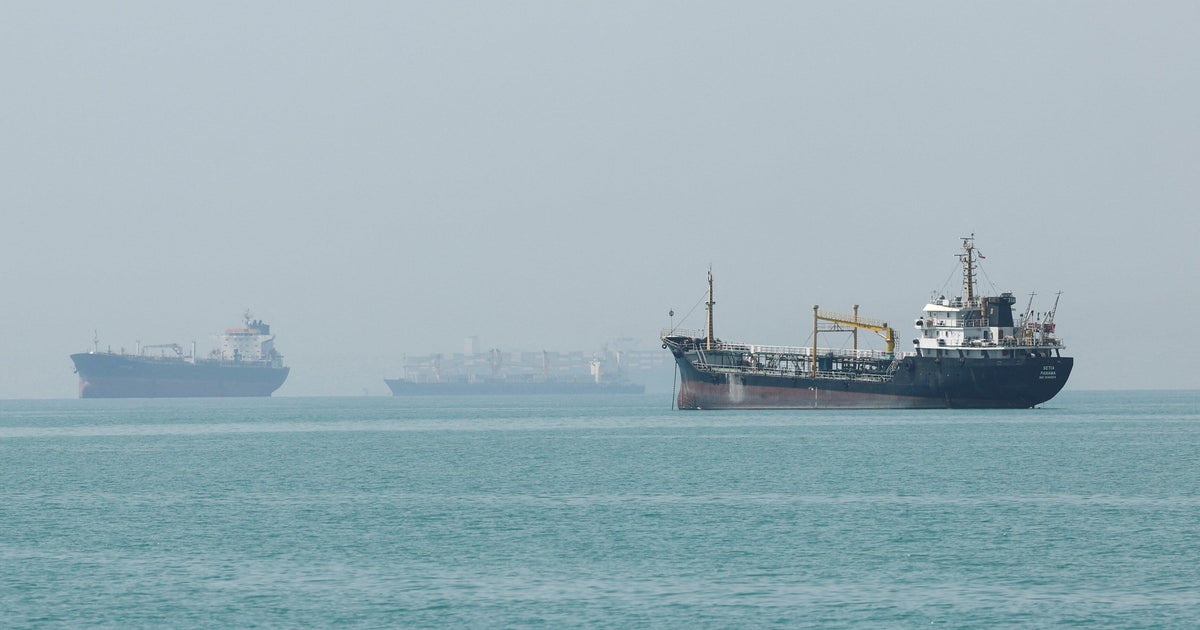
Rubio’s comment that “there may be news later today” suggests a decision is imminent.
- Limited sanctions relief: Unfreezing some Iranian assets, but not a full lifting of penalties.
- Strait of Hormuz access: A process to reopen the waterway, but with U.S. oversight.
- Nuclear constraints: Iran’s enriched uranium “satisfactorily handled,” though the exact terms remain unclear.
- No immediate end to the war: The U.S. and Israel will likely demand further concessions before declaring victory.
- Escalated attacks: Iran may target more shipping in the Strait or retaliate against U.S. allies.
- Israeli strikes: If Iran makes progress on its nuclear program, Israel could launch preemptive attacks.
- Economic fallout: Oil prices could spike, and global supply chains could be disrupted.
- A UN Security Council showdown: If Rubio’s resolution fails, the U.S. may push for a new vote or unilateral action.
The Bigger Picture: Can the U.S. and Iran Trust Each Other?
This isn’t the first time the U.S. and Iran have teetered on the edge of an agreement. In 2015, the Joint Comprehensive Plan of Action (JCPOA) temporarily eased tensions—until Trump withdrew in 2018 and reimposed sanctions. The current negotiations carry the weight of history: Both sides know that once a deal is struck, the other side will likely renege.
Trump’s hardline stance—”we get everything or nothing”—reflects this distrust. But it also risks derailing the talks entirely. Iran’s Ambassador Iravani’s demand for an end to the war before any concessions shows that Tehran is equally unwilling to compromise. The question is whether the two sides can find a middle ground, or if the Strait of Hormuz will become the breaking point.
One thing is certain: The window for a deal is closing. Trump’s “clock is ticking” warning isn’t just rhetoric. If the U.S. and Iran can’t bridge their differences in the next few days, the consequences could be catastrophic—not just for the region, but for global energy markets and geopolitical stability.
For now, the world watches as Trump, Rubio, and their counterparts in Tehran play a high-stakes game of chicken. The outcome will determine whether diplomacy prevails—or whether the Strait of Hormuz becomes the next flashpoint in a wider war.
