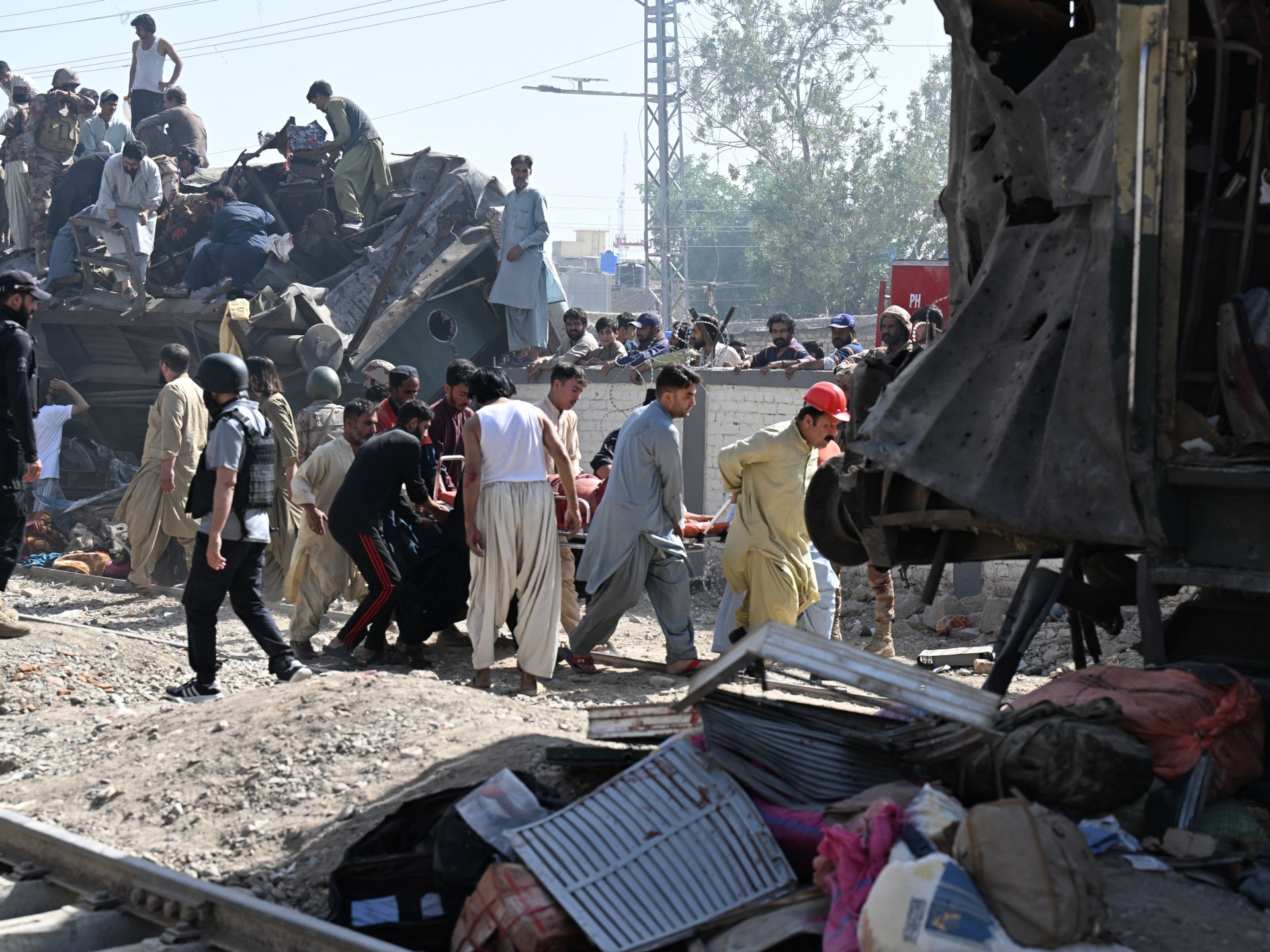
A suicide bomber detonated an explosives-laden vehicle near a passenger train in Quetta, Pakistan, on Sunday, May 24, 2026, killing at least 24 people and injuring more than 50 others. The attack, which caused train carriages to overturn and catch fire, has been claimed by the separatist Baloch Liberation Army.
The Blast in Quetta and the Human Toll
The violence unfolded in Quetta, the capital of Pakistan’s insurgency-hit Balochistan province, as a passenger train moved through the area. According to reports from the scene, the force of the suicide car bomb was significant enough to derail and ignite several carriages, sending plumes of black smoke into the sky. While initial reports from officials cited at least 23 fatalities, subsequent information confirmed the death toll had risen to 24, with more than 50 individuals wounded.

The aftermath left the surrounding landscape scarred. Kamal Hyder, reporting from the site, noted that residential buildings and structures adjacent to the railway line sustained severe damage. Local hospitals in Quetta immediately declared a state of emergency to manage the influx of casualties, with medical staff ordered to remain on duty to provide urgent care to the victims. The arrival of ambulances and emergency responders was complicated by the structural damage to the rail tracks and the surrounding debris, which hindered initial access to the most severely affected carriages.
Provincial officials coordinated the emergency response, with medical facilities in the city reporting that many of the injured were transported in critical condition. The scale of the blast necessitated the mobilization of additional surgical teams, and authorities issued public appeals for blood donations to assist those undergoing emergency procedures.
Claims of Responsibility and Tactical Shifts
The Baloch Liberation Army (BLA), an outlawed separatist group, quickly claimed responsibility for the bombing. In a statement sent to reporters, the militant organization asserted that the train was targeted specifically because it was carrying security personnel.
This strike marks a continuation of a long-standing insurgency in the oil- and mineral-rich province of Balochistan, where groups frequently target government installations and security forces. Recent reporting from Al Jazeera highlights that the ferocity of these attacks has increased in recent months. Beyond targeting military and police assets, these separatist elements have also focused their aggression on Chinese workers, citing their opposition to infrastructure projects linked to the China-Pakistan Economic Corridor, which connects China’s Xinjiang region to the Pakistani port of Gwadar. The BLA’s assertion regarding the presence of security personnel on the train is a recurring justification provided by the group to differentiate between civilian and state-linked targets in their campaign against the central government.
Government Reaction and Security Vows
High-level officials in Islamabad and Quetta have responded with condemnation, vowing to intensify efforts against militant groups. Prime Minister Shehbaz Sharif characterized the incident as a “cowardly act of terrorism” in a statement shared on social media.
“Such cowardly acts of terrorism cannot weaken the resolve of the people of Pakistan. We remain steadfast in our determination to eliminate terrorism in all its forms and manifestations,” Prime Minister Shehbaz Sharif, via Al Jazeera
The regional government in Balochistan echoed this sentiment. Provincial government spokesman Shahid Rind emphasized the gravity of the loss, stating, “We strongly condemn the targeting of innocent civilians and are deeply saddened by the loss of precious human lives. Terrorist elements deserve no leniency.”
Balochistan Chief Minister Sarfraz Bugti took a more aggressive tone, noting that the victims included “innocent civilians, including women and children.” He publicly pledged to “hunt (them down)” in a message posted to X. Federal and provincial authorities frequently refer to the BLA as “Fitna al-Hindustan,” an allegation of foreign backing that New Delhi consistently denies. The Chief Minister’s office indicated that a high-level security review would be conducted to evaluate how the bomber bypassed security checkpoints, which are typically dense in the Quetta metropolitan area.
The Broader Security Landscape
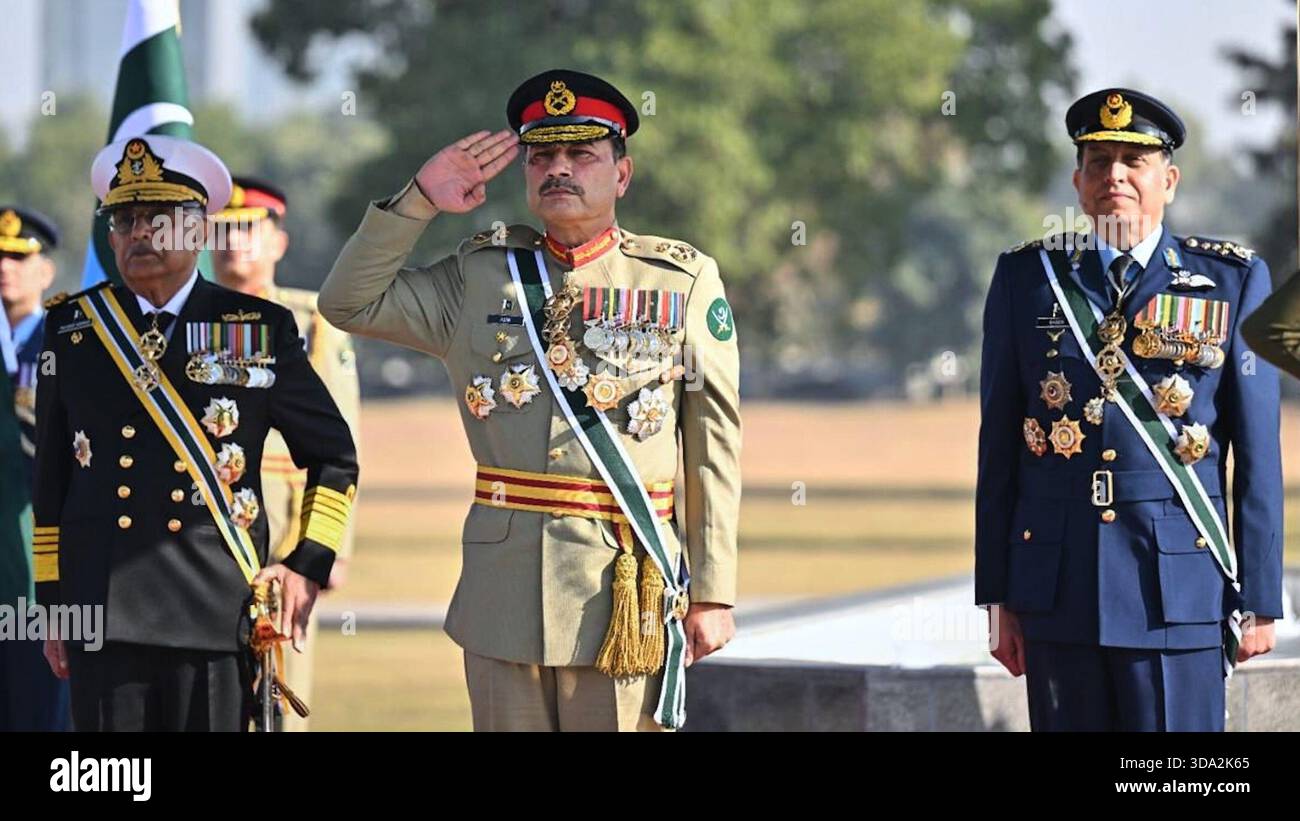
The attack on Sunday occurs against a backdrop of regional volatility. President Asif Ali Zardari denounced the bombing, suggesting that the militants and their backers aim to undermine Pakistan’s contribution to regional and international peace efforts. The President’s office released a statement emphasizing that the state would not be deterred from its infrastructure and development goals despite the ongoing threat posed by separatist insurgencies.
As the investigation into the Quetta bombing continues, the incident highlights the ongoing difficulty the Pakistani state faces in securing its transit infrastructure against mobile, high-impact insurgent tactics. Forensic teams were deployed to the site of the explosion to collect evidence from the vehicle used in the attack, aiming to trace the origin of the explosives and identify the perpetrator. With medical emergencies in place and security forces on high alert, the focus remains on stabilizing the wounded and assessing the security lapses that allowed a vehicle-borne explosive to reach a rail target in a historically guarded area. Security analysts noted that the use of a suicide vehicle against a moving train represents a shift in tactics, moving away from static targets toward mobile, high-capacity civilian transport, forcing a reassessment of transit security protocols across the province.
