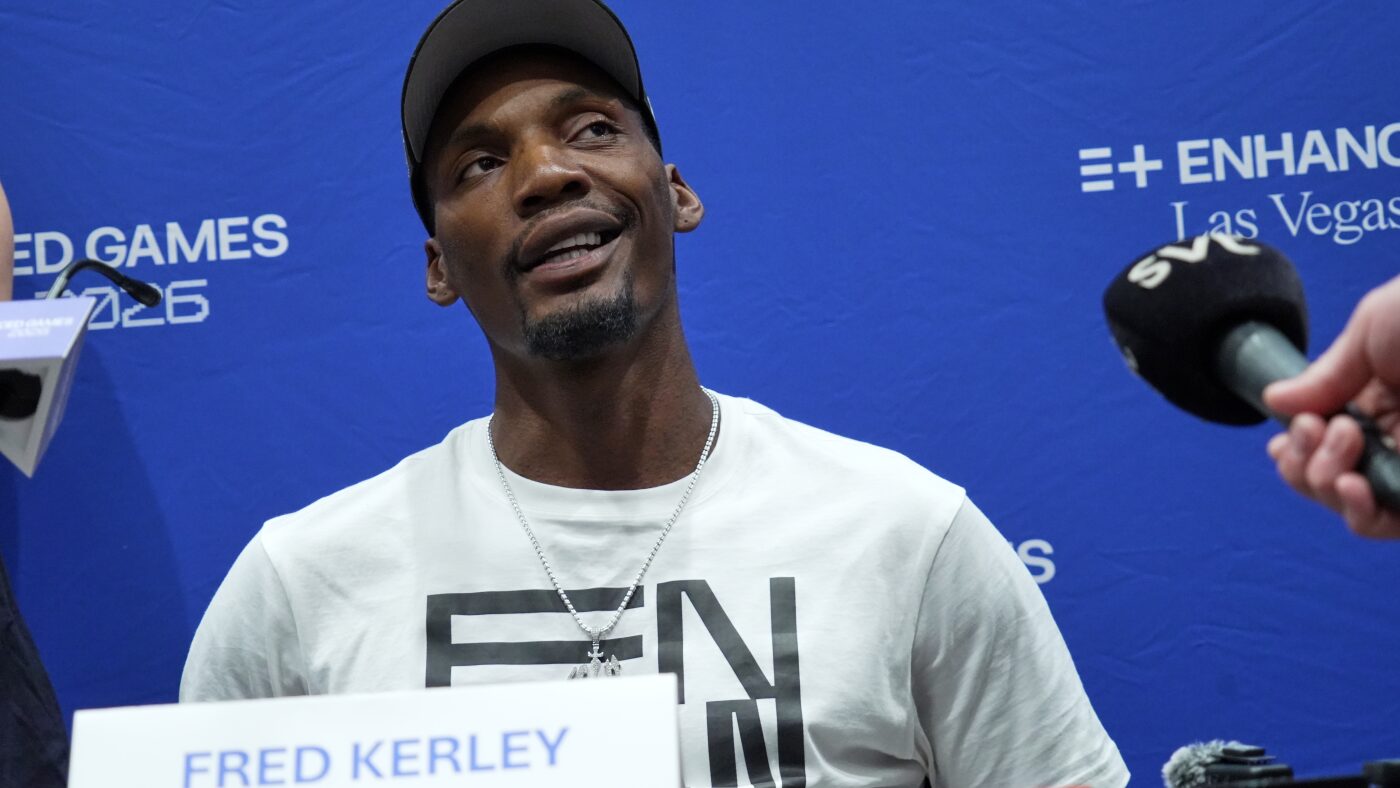
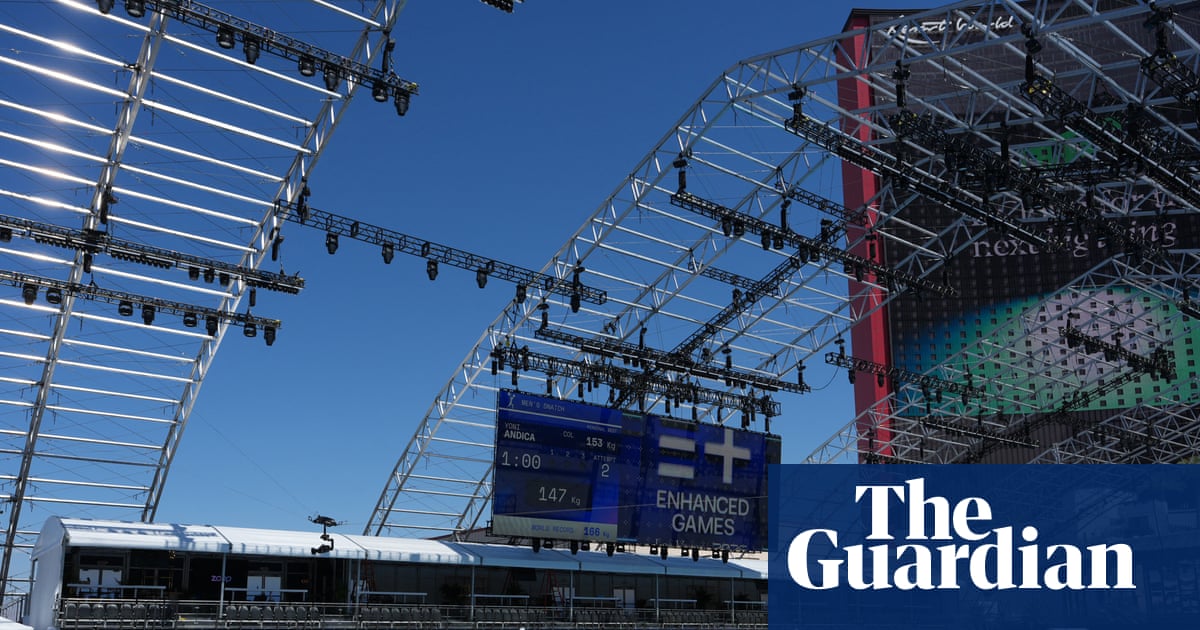
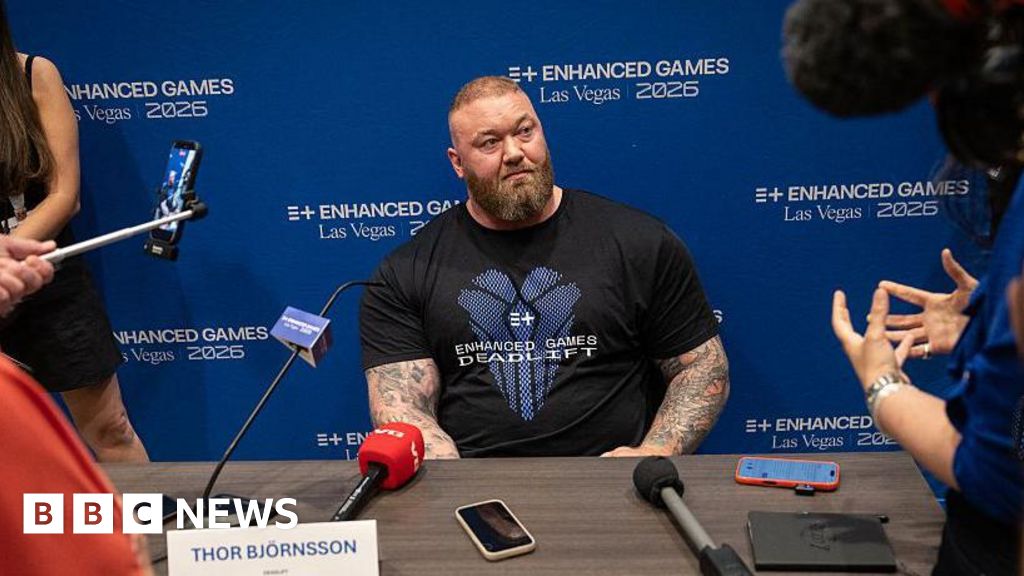
The Enhanced Games kicked off Sunday night in Las Vegas, a one-night spectacle where 40 elite athletes—including former Olympians—compete under rules that explicitly allow performance-enhancing drugs banned in official competitions. Backed by Donald Trump Jr.’s venture capital firm and tech billionaire Peter Thiel, the event is as much a commercial launch for the Enhanced Group’s supplements business as it is a sporting experiment. With a $25 million prize pool and no rigid doping controls, the games are already sparking debates about ethics, commercialization, and the future of clean sport.
What Is the Enhanced Games?
The Enhanced Games, held at Resorts World Las Vegas, is a privately funded competition that blends Olympic-style events with a radical twist: athletes are permitted to use performance-enhancing drugs (PEDs) that would disqualify them from official competitions. The event features three sports—swimming, track and field, and weightlifting—with a total prize pool of $25 million, including $500,000 per event and an additional $1 million for world-record-breaking performances in the 100-meter sprint or 50-meter freestyle. Organizers claim the event is “where elite athletes push the limits of human performance,” though neither records nor prizes will be recognized by governing bodies like World Athletics.
According to NPR, the event is a launchpad for the Enhanced Group, a publicly traded company selling peptides and supplements. The company is also documenting the physiological effects of PEDs on athletes—a move critics call a thinly veiled marketing strategy. “I understand that there’s a very large commercial opportunity for this company, but it is something I think borders on the lines of ethics,” said Dr. Aaron Baggish, a sports cardiologist and former consultant to Boston’s Red Sox, in an interview with NPR.
The event’s organizers have emphasized that all participating athletes undergo rigorous medical screenings before competition, with a focus on cardiovascular health and hormone levels. However, critics argue that the lack of independent oversight creates significant risks. “The Enhanced Group is collecting data on drug effects, but their financial stake in the supplements market creates a clear conflict of interest,” said Dr. Baggish. “If they’re publishing findings, those should come from neutral institutions—not a company that profits from PED sales.”
In a statement released Sunday, World Athletics condemned the event, stating that “any records set at the Enhanced Games will not be recognized by our organization.” The statement added that the event “undermines the integrity of clean sport and sets a dangerous precedent.” Meanwhile, the International Weightlifting Federation (IWF) has not yet issued an official response, though sources close to the organization suggest internal discussions are ongoing about potential sanctions for participating athletes.
Who’s Competing—and Why?
The athlete roster reads like a who’s who of elite sport, but with a controversial twist. Among the participants are Ben Proud, a former Team GB swimmer and 2024 Paris Olympics silver medalist, and Reece Prescod, a British sprinter who retired from competition after a clean career. Both athletes have defended their decision to join the Enhanced Games, framing it as a new chapter rather than a betrayal of clean sport.
“There is a blurry line. I can’t argue against it. But to me, if you understand the stories of the people who are here, you’ll understand that we’ve done our career clean and we’re doing this for a very good reason. And more importantly, under the safest environment possible.”
—Ben Proud, via The Guardian
Proud, who could earn up to $1.25 million if he breaks the 50-meter freestyle world record, dismissed concerns that the event would encourage doping among young athletes. “I’m not worried about my reputation,” he said. “If you understand me and my career, the 10 years that I had were all clean. That is in the past.” His fellow British sprinter, Reece Prescod, echoed this sentiment, insisting his participation was a personal choice: “I’m not a bad boy, and I’ve not broken any rules. If you look at my actual career, I have not got one naughty X next to my name.”
Prescod, who recently signed a sponsorship deal with Enhanced Group worth an undisclosed six-figure sum, added that the financial incentives were a key factor in his decision. “There’s no denying the money is attractive, but it’s also about proving that you can perform at the highest level under different conditions,” he told reporters. “This isn’t about cheating—it’s about pushing boundaries in a controlled way.”
Yet the event has already drawn fire. The World Anti-Doping Agency (WADA) and governing bodies like World Aquatics have condemned the games, with some athletes threatening to ban participants from future competitions. The US Anti-Doping Agency’s Travis Tygart told the BBC that while there’s no legal barrier to athletes competing in both the Olympics and the Enhanced Games, the moral and reputational risks are significant. “World Aquatics has already threatened to ban any swimmers competing in the Enhanced Games,” Tygart said, adding that the event risks normalizing doping in a way that could undermine years of anti-doping progress.
In a separate interview, Kristian Gkolomeev, Proud’s Greek rival and another participant, acknowledged the controversy but defended the scientific approach. “We’re not here to set records that count,” he said. “We’re here to test what’s possible under medical supervision. The data will be valuable for future generations of athletes.” Gkolomeev, who holds the current 50-meter freestyle world record, added that he sees the event as a chance to “leave a legacy beyond competition.”
The Controversy: Ethics, Commercialization, and the Future of Sport
The Enhanced Games forces a reckoning with the intersection of sport, commerce, and ethics. On one hand, the event’s organizers argue it’s a celebration of human potential, unshackled by the constraints of traditional doping regulations. On the other, critics see it as a Trojan horse for commercial interests—one where the Enhanced Group’s supplements business benefits from the spectacle while athletes take on the risks.
Dr. Baggish’s skepticism reflects a broader unease. “The company is using the games as a research opportunity, but the line between science and marketing is dangerously thin,” he told NPR. “If they’re documenting the effects of these drugs, are they also promoting them?” The Enhanced Group’s decision to allow 91% of its athletes to use testosterone or testosterone esters, 79% to use human growth hormone, and 62% to take stimulants like Adderall underscores the event’s radical departure from clean sport. Yet organizers insist the drugs are FDA-approved and prescribed by doctors—a claim that does little to assuage concerns about long-term health risks or the normalization of doping.

For athletes like Proud and Prescod, the decision to participate is framed as a calculated risk. Proud acknowledged that using banned PEDs and polyurethane skinsuits—both of which could shave fractions of a second off his times—would give him and his Greek rival Kristian Gkolomeev a shot at breaking the world record. “They’re both extremely valuable when it comes to racing,” Proud said. “As a matter of percentage, it could be anywhere between one to two percent each.” But the lack of oversight from governing bodies means any records set won’t count toward official rankings—a detail that hasn’t stopped athletes from lining up.
In a press conference ahead of the event, Enhanced Group CEO Mark McCormack stated that the company’s research would be published in peer-reviewed journals to ensure transparency. “This is not about glorifying doping,” McCormack said. “It’s about understanding the physiological limits of human performance in a controlled, ethical framework.” However, critics remain skeptical, pointing to the company’s history of aggressive marketing tactics in the supplements industry.
Meanwhile, the event’s commercial success is already evident. Ticket sales for the Las Vegas venue have reportedly exceeded expectations, with resale prices reaching up to $1,500 per ticket. Enhanced Group has also secured partnerships with major streaming platforms, ensuring global coverage of the competition. The financial backing from Trump Jr. and Thiel has provided the event with unprecedented resources, allowing for state-of-the-art medical monitoring and prize structures that dwarf traditional competitions.
What Happens Next?
The Enhanced Games may be a one-night event, but its ripple effects could last for years. Already, whispers among athletes suggest others are curious about the financial incentives and career opportunities the games offer. Prescod admitted that “there are some that whisper, what’s Enhanced like? What’s your contract like?”—a sign that the event’s model could attract more high-profile names in the future.
Yet the backlash from anti-doping agencies and governing bodies could limit the event’s longevity. World Aquatics’ threat to ban participants is a clear warning: the Enhanced Games exist in a legal gray area, and the reputational costs for athletes—and the event itself—could be steep. For now, the focus remains on Sunday’s performances, but the real story is whether this experiment in unregulated sport will become a permanent fixture or a footnote in the history of doping controversies.
One thing is certain: the Enhanced Games have already changed the conversation. The question now is whether they’ll change the sport itself—or whether the backlash will bury the idea before it takes root.
For updates on the Enhanced Games and their aftermath, follow NPR’s coverage, the BBC’s analysis, and The Guardian’s athlete profiles.
