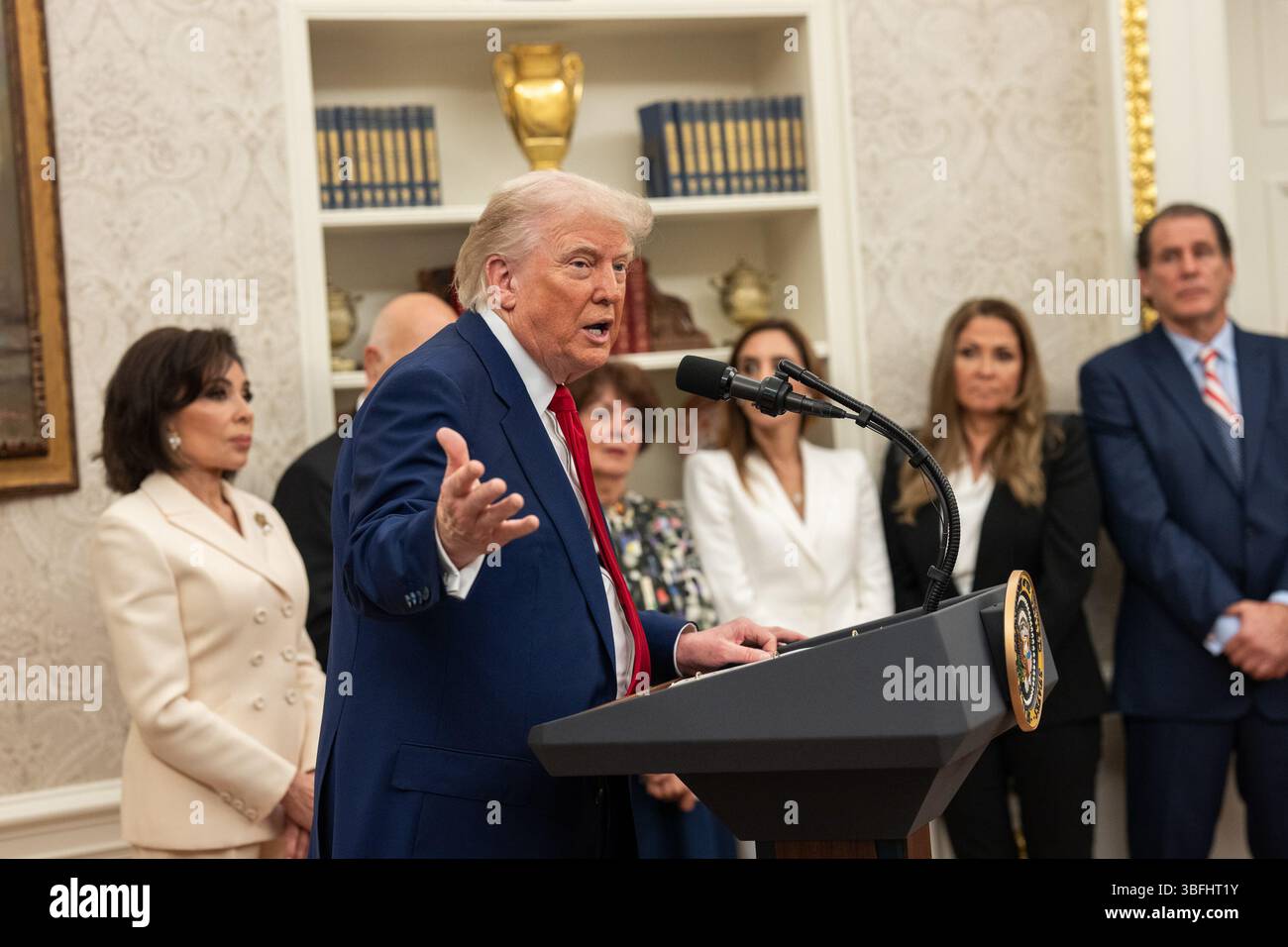
Kevin Warsh was sworn in as the 11th chair of the Federal Reserve on Friday, May 22, 2026, at a White House ceremony. Succeeding Jerome Powell, Warsh assumes control of the central bank during a period of high inflation and economic volatility, tasked with managing interest rates amid intense executive pressure.
A White House Swearing-In and the Question of Independence
White House Swearing-In and the Question
The ceremony in the East Room marked a departure from typical protocol, as Warsh became the first Fed chair to be sworn in at the White House since Alan Greenspan in 1987. Supreme Court Justices Clarence Thomas and Brett Kavanaugh, alongside House Speaker Mike Johnson, were among the high-profile figures in attendance to witness Thomas deliver the oath of office, as reported by CNBC.
Throughout his second term, President Donald Trump has frequently challenged the central bank, creating bipartisan concerns regarding the potential erosion of its historical independence. During the event, the president addressed these concerns directly, explicitly instructing Warsh to maintain his autonomy.
“Honestly, I really mean this. This is not said in any other way. I want Kevin to be totally independent. I want him to be independent and just do a great job. Don’t look at me. Don’t look at anybody.”President Donald Trump, via USA Today
USA Today noted that while the president emphasized a desire for independence, he also stated his expectation that Warsh would have the full support of his administration. Warsh, who previously served on the Board of Governors from 2006 to 2011, acknowledged the weight of the appointment.
“It’s the honor of a lifetime to be called back into public service, and with this oath, I’ve accepted a high and solemn responsibility. My goal now is to create an environment in which the best people can do their life’s best work, and to face every challenge in the spirit of common purpose and devotion to the national interest. In a word, to excellence.”Kevin Warsh, Federal Reserve Chair, via USA Today
The Economic Dilemma Facing the New Chair
Warsh inherits an economy characterized by distinct pressures. The Detroit News reports that inflation is currently more than a percentage point above the Fed’s 2% target. The economy is also grappling with specific shocks, including oil prices driven over $100 a barrel due to the U.S.-Israeli war with Iran, as well as the impact of high import tariffs and the rapid rollout of AI technology.
The path forward remains contentious. Fed Governor Christopher Waller, who was also a candidate for the chair position, signaled a shift in policy direction shortly before the swearing-in. Waller suggested that the Fed should abandon its “easing bias” and signaled that a rate hike is a potential option, citing data that shows inflation is broadening across the economy.
Institutional Shifts and Reform Goals
Kevin Warsh to Be Sworn In as Fed Chair Today
Warsh has long advocated for a reform-oriented approach to monetary policy. During his confirmation hearing, he emphasized that the responsibility for inflation rests with the central bank’s management of short-term interest rates. He has previously criticized the institution for what he termed “mission creep,” specifically regarding Fed involvement in social inequality and climate change initiatives.
“To fulfill this mission, I will lead a reform-oriented Federal Reserve, learning from past successes and mistakes, both escaping static frameworks and models, and upholding clear standards of integrity and performance,” Warsh stated.
His predecessor, Jerome Powell, will remain at the Fed as a governor. This arrangement is notable, as it is the first time in nearly 80 years that an outgoing chair has chosen to remain on the Board of Governors. Powell, who faced repeated, often personal criticism from the administration during his tenure, has expressed an intention to keep a low profile in his new capacity.
Looking Ahead: The First Months of the Warsh Term
cluster (priority): CNBC
The immediate outlook for the Fed is defined by the tension between the administration’s desire for lower rates and the mounting evidence of persistent inflation. Warsh’s ability to navigate this conflict will likely determine his legacy early in his four-year term.
While the economic environment shares some similarities with 2018—such as the 2% annual growth rate seen in the first quarter—the current inflation landscape is significantly more complex. As Warsh settles into his role, he must balance the mandate to promote price stability and maximum employment against the reality of a globalized economy facing significant supply-side disruptions. Whether he prioritizes inflation fighting or aligns with the administration’s economic growth goals remains the central question for observers and markets alike.
Claire Donovan coordinates breaking-news coverage across global time zones. She has reported on elections, social movements, and investigative stories in over ten countries. Known for her calm leadership under pressure, Claire guarantees Globally Pulse delivers news that is fast, factual, and fair.