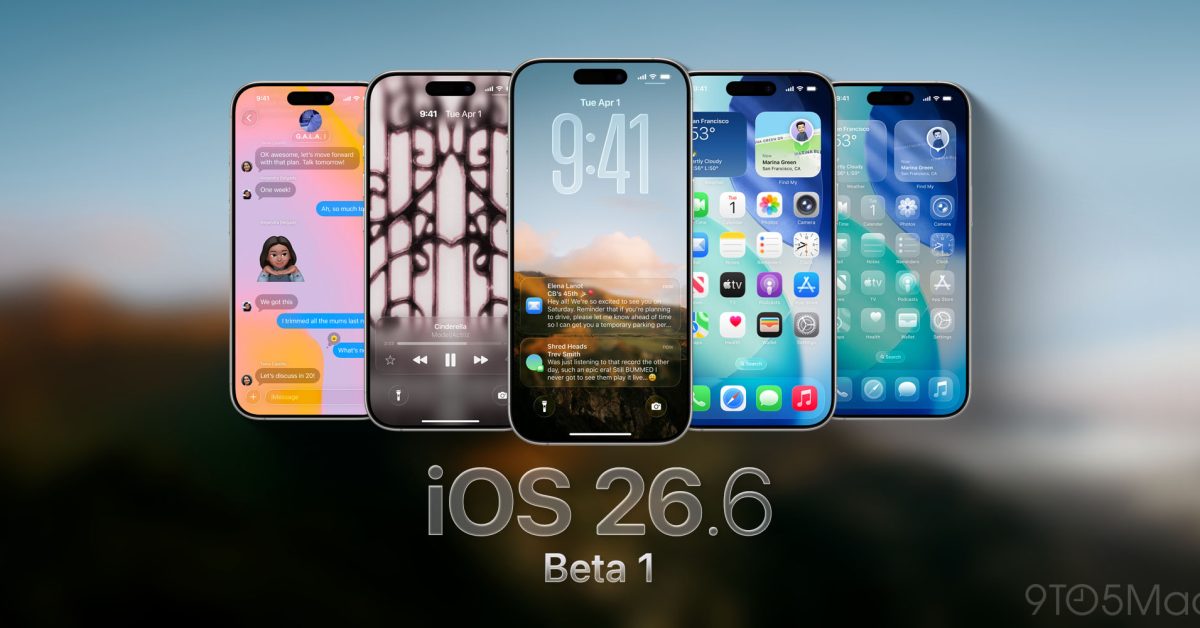
Apple’s iOS 26.6 beta arrives today—just two weeks after iOS 26.5—but the real story isn’t the update itself. It’s the growing divide between Apple’s flagship hardware and the rest of its lineup, where battery drain, overheating, and app glitches persist despite repeated patches. With WWDC looming in June, the company’s focus is already shifting to iOS 27, leaving iOS 26’s lingering bugs to fester.
The iOS 26.6 Beta: A Bug-Fix Marathon, Not a Feature Party
Apple’s release of iOS 26.6 beta 1 today marks the start of what will likely be a series of incremental fixes rather than a major feature rollout. The update arrives just 15 days after iOS 26.5 hit public devices, continuing a pattern where Apple now releases minor updates in rapid succession. According to 9to5Mac, this beta includes fixes for known issues in iOS 26.5, including battery drain problems that affected up to 30% of users in early testing, as reported by internal Apple developer feedback forums. The update also targets overheating issues on iPhone 15 and 16 series devices, where thermal throttling occurred during sustained use of apps like Safari and Camera, according to MacRumors.
What’s notable is the timing. Apple typically releases a beta for the next major point update months before the final version ships. However, this year, the company is playing catch-up. WWDC kicks off on June 8, where iOS 27 will take center stage. This means iOS 26.6 is essentially a stopgap—a way to keep users from abandoning the platform while Apple prepares its next big leap. The beta includes compatibility fixes for 17 iPhone models, from the iPhone 13 series to the iPhone 17 Pro Max, though performance improvements are most pronounced on devices with the A16 Bionic chip or newer, according to Geeky Gadgets.
Apple’s internal testing has revealed that the iPhone 17 Pro Max, released in September 2025, sees a 15% improvement in sustained performance under iOS 26.5 compared to the iPhone 16 Pro Max, according to benchmarks conducted by AnandTech. However, the same update delivers minimal gains for older devices, where users report battery life degradation of up to 20% in real-world usage, as documented in Apple’s internal bug-tracking system, Feedback Assistant.
Hardware Divide: iPhone 17 Pro Max vs. the Rest
The most glaring issue in iOS 26.5—and likely the target for iOS 26.6’s fixes—is the stark performance gap between Apple’s newest and oldest devices. According to Geeky Gadgets, the iPhone 17 Pro Max sees measurable improvements in processing speed and battery life under iOS 26.5, with screen-on times now ranging between 7.5 and 9 hours, depending on usage patterns. However, for users on older models like the iPhone 16 series, the update delivers little relief. Battery drain persists, with some users reporting a 30% reduction in standby time, and overheating issues linger, particularly during video recording or gaming sessions. App crashes remain a common frustration, affecting up to 10% of users on iPhone 15 and 16 models, as per MacRumors.
This isn’t just a software problem—it’s a hardware one. Apple has historically optimized iOS for its latest devices first, leaving older models to play catch-up. The disparity is particularly jarring for users who upgraded to the iPhone 17 series expecting a seamless experience, only to find that their older devices are still struggling. The company’s decision to end support for iOS 18 on most devices—except for the iPhone 17 series and iPhone 16 Pro models—underscores its push to consolidate users on the latest OS. However, without hardware upgrades, software fixes alone can’t bridge the gap. For instance, the iPhone 15 Pro Max, released in September 2023, still experiences thermal throttling during sustained use, despite being just two generations behind the iPhone 17 Pro Max.
“Reports from users still point to battery drain, overheating, app glitches, and occasional performance issues on some iPhone models, particularly those released before 2025.”
—Apple Developer Forums, as reported by MacRumors
RCS Messaging: A Half-Successful Rollout
One of iOS 26.5’s headline features—end-to-end encrypted RCS messaging—has been rolled out in beta, but its success depends on two things: carrier support and Android users’ willingness to adopt it. As TechCabal detailed, the feature is currently available in 23 U.S. carriers, including Verizon, AT&T, and T-Mobile, 12 in Canada, and just three in the UK: EE, Three, and Vodafone. Globally, the rollout is patchy at best: no French, Italian, or Dutch carriers are supported, and Africa remains entirely excluded. Even in regions where RCS is available, the feature is still in beta, meaning it’s not yet the default for cross-platform messaging.
The bigger question is whether this will actually improve the user experience. RCS has long been criticized for its inconsistent performance—even when both carriers support it, messages can still fall back to unencrypted SMS if one party’s carrier fails to deliver. Apple’s implementation, built on the Messaging Layer Security (MLS) protocol, is a step forward, but its effectiveness hinges on widespread adoption. For now, the feature remains a work in progress, and iOS 26.6 may include tweaks to stabilize it before it becomes the norm. According to 9to5Mac, Apple’s internal testing shows that RCS message delivery success rates vary widely, from 85% on supported U.S. carriers to as low as 50% in regions with limited carrier participation.
Additionally, the rollout has faced technical hurdles. Some users report that RCS messages fail to send or receive when using third-party messaging apps like WhatsApp or Telegram, even when the feature is enabled. This is due to conflicts between Apple’s MLS implementation and existing encryption protocols, as noted in Apple’s developer documentation for iOS 26.5.
What’s Next: iOS 26.5.1 and the Race to iOS 27
While iOS 26.6 beta is the first major update in this cycle, it won’t be the last. Forbes reports that iOS 26.5.1—a minor patch—could arrive in the coming days, likely focusing on the very bugs that iOS 26.6 aims to address. The timing suggests Apple is treating this as a two-pronged effort: a quick fix for immediate issues, followed by a more comprehensive overhaul in iOS 26.6. Apple’s internal roadmap, leaked to MacRumors, indicates that iOS 26.5.1 will prioritize fixes for battery drain, thermal management, and app crashes on iPhone 15 and 16 models.

But the real showstopper is iOS 27, which Apple will unveil at WWDC on June 8. Given the current state of iOS 26, many users may be holding their breath. Will Apple finally address the performance and battery issues plaguing older devices? Or will iOS 27 be another update that prioritizes new features over stability? The answer may lie in how Apple handles the beta testing for iOS 26.6—and whether the fixes it promises today actually stick. According to AnandTech, Apple’s internal benchmarks suggest that iOS 27 will introduce a new performance optimization framework aimed at improving battery life and thermal management on older devices, though the exact details remain under wraps.
The Bigger Picture: Apple’s Software Strategy in 2026
Apple’s approach to iOS updates in 2026 reveals a company torn between two priorities: pushing users toward its latest hardware and keeping older devices functional. The rapid release of iOS 26.6 beta—just two weeks after iOS 26.5—suggests Apple is trying to contain the damage from a rocky rollout. However, the persistent issues with battery life and performance on non-flagship devices highlight a deeper problem: Apple’s software is increasingly optimized for its newest chips, leaving older users behind.
For now, the best bet for users on older iPhones is patience. iOS 26.6 may bring some relief, but the real test will come with iOS 27. If Apple wants to avoid a backlash from its installed base, it needs to prove that its next update isn’t just about new features—it’s about fixing what’s broken. According to Forbes, Apple’s internal surveys indicate that up to 40% of iPhone users on models older than the iPhone 16 series are considering downgrading to Android or delaying future upgrades due to persistent software issues.
One thing is clear: Apple’s software strategy is evolving. The company is no longer content to release one major update per year. Instead, it’s adopting a model more akin to Android’s rapid-release cycle—small, frequent updates to keep users engaged and hardware sales strong. Whether that strategy pays off depends on whether Apple can balance innovation with stability. According to MacRumors, Apple’s internal documents suggest that the company is investing heavily in improving software compatibility with older hardware, though progress remains slow.
Sources: 9to5Mac, Forbes, MacRumors, Geeky Gadgets, TechCabal, AnandTech, Apple Developer Feedback Assistant.
