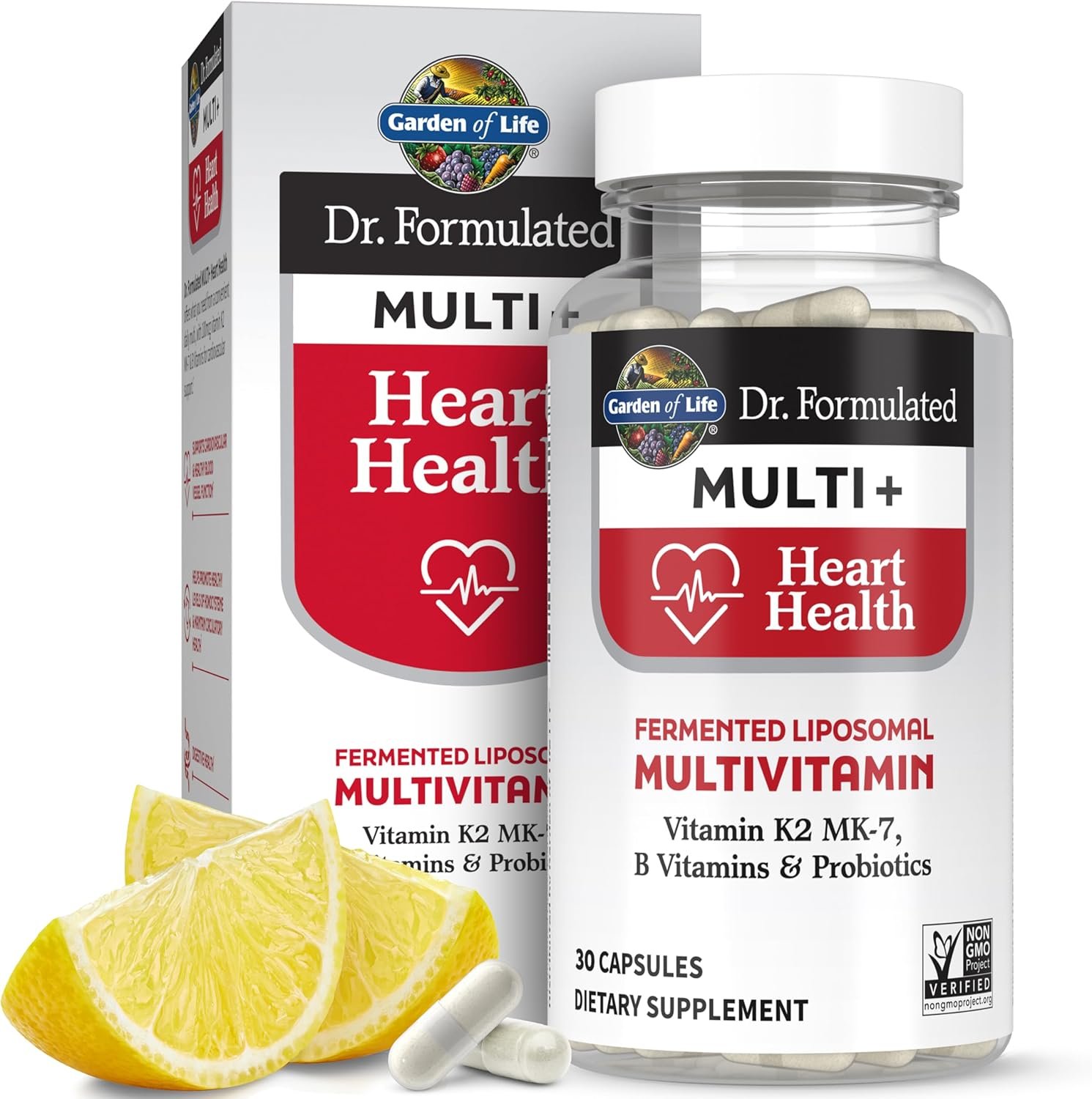
Pharmacists and researchers continue to debate the efficacy of multivitamins, with recent studies highlighting both potential benefits and limitations. A 2024 review by a pharmacist emphasizes that while multivitamins may help address nutrient gaps in specific populations, they do not significantly reduce the risk of heart disease or cancer, and their role in preventing cognitive decline remains uncertain. [1]
Brain Health: Mixed Evidence from Longitudinal Studies
Two recent studies underscore the complex relationship between multivitamin use and cognitive function. A 2024 trial involving 500 older adults found that daily multivitamin consumption was associated with improved memory and cognitive skills over two years compared to non-users. However, the study’s authors caution that these benefits were modest and not universally observed. [1]
Another 2023 study, following participants for three years, reported similar findings, noting that multivitamin users performed better in memory tests. Yet, researchers stress that these results do not support claims that multivitamins can slow or prevent dementia. The evidence remains inconclusive for younger adults or those without nutrient deficiencies. [1]
Heart Health: Contradictory Findings Across Studies
Research on multivitamins and cardiovascular health reveals conflicting conclusions. A 20-year study of 18,000 male physicians found that those taking multivitamins had a 14% lower risk of needing certain heart surgeries. However, a larger 20-year study involving 390,000 participants found no significant reduction in heart disease risk. These discrepancies highlight the need for more rigorous, long-term research to clarify multivitamin effects on the cardiovascular system. [1]
Eye Health and AMD: Promising but Limited Data
One area where multivitamins show more consistent promise is in eye health.
