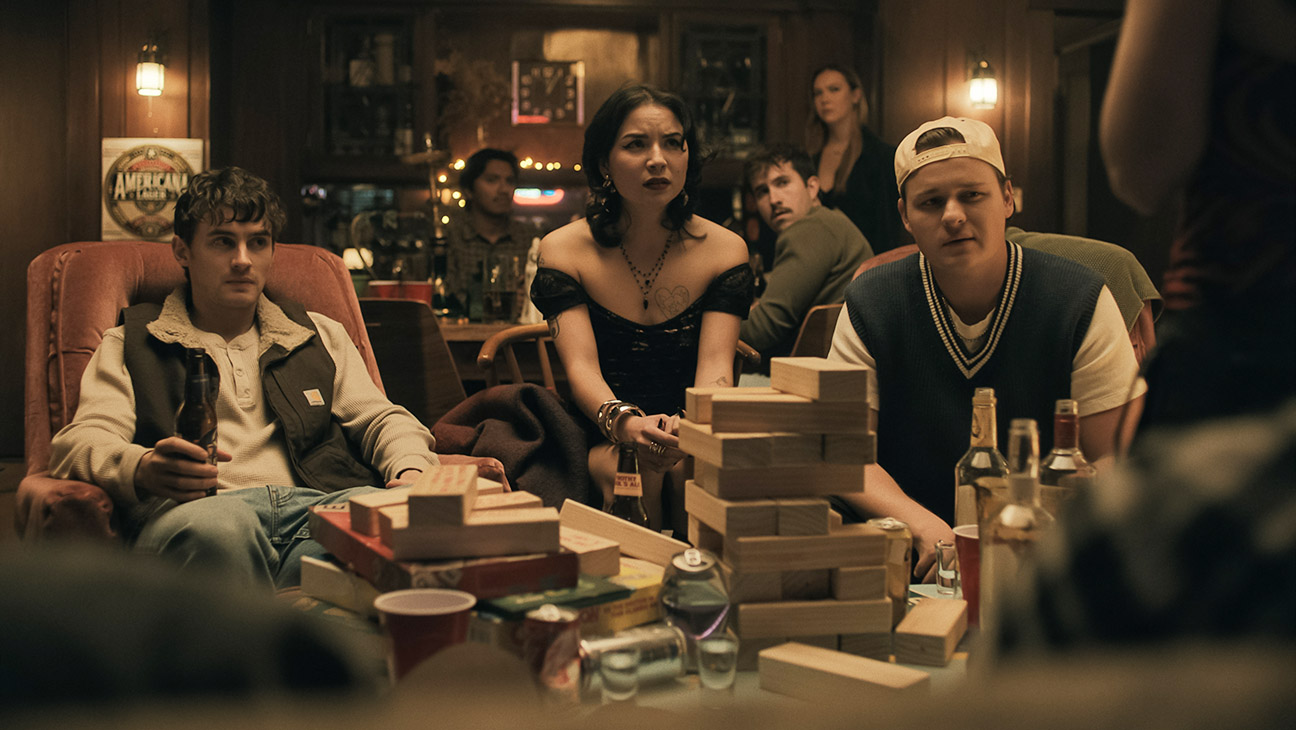
"Obsession," the $750,000 horror film that opened May 15 with $17.2 million, has just shattered box office norms by earning $23.9 million in its second weekend—a 39.4% increase that industry analysts call "virtually unprecedented" in modern theatrical history. With 75% of its audience aged 18–34, the film has become a cultural phenomenon, proving that Gen Z’s appetite for horror extends beyond streaming.
Defying Box Office Conventions with a 39.4% Second-Weekend Surge
The Box Office Anomaly
No wide-release horror film has ever grown in its second weekend like this. The closest comps—Jumanji: Welcome to the Jungle (2017) and Sound of Freedom (2023)—both benefited from holiday weekends or controversial marketing. Obsession, however, defied expectations without either. According to Comscore data, its 39.4% spike surpasses even animated blockbusters like Puss in Boots: The Last Wish (36% increase) and Migration (35%). Jason Blum, CEO of Blumhouse Productions, called it "the ONLY wide-release horror movie on record to grow at this scale" in an X post on May 24.

The film’s Memorial Day haul—$23.9 million—was also its highest single weekend. It outperformed projections by 30% in its first week and then doubled down, earning $8 million on Memorial Day alone. Focus Features, the distributor, attributes the surge to "word-of-mouth success" and a guerrilla marketing campaign that turned the film’s fictional "One Wish Willow" prop into a viral sensation. The device sold out in specialty stores and later resurfaced on eBay at 10 times its original $6.99 price.
From YouTube Creator to $68 Million Blockbuster on a $1 Million Budget
How a $1 Million Film Became a Summer Blockbuster
Curry Barker, the 26-year-old director behind Obsession, shot the film in his apartment using an Arri Alexa 35 and Panavision Ultra Speed lenses. The result? A visually striking horror movie that blends psychological dread with a Faustian premise: a lovestruck office worker makes a dark bargain to win over his crush. The film’s cinematographer, Taylor Clemons, admitted to underexposing scenes to create a "murky and dreadful" atmosphere, a technique that paid off with audiences.
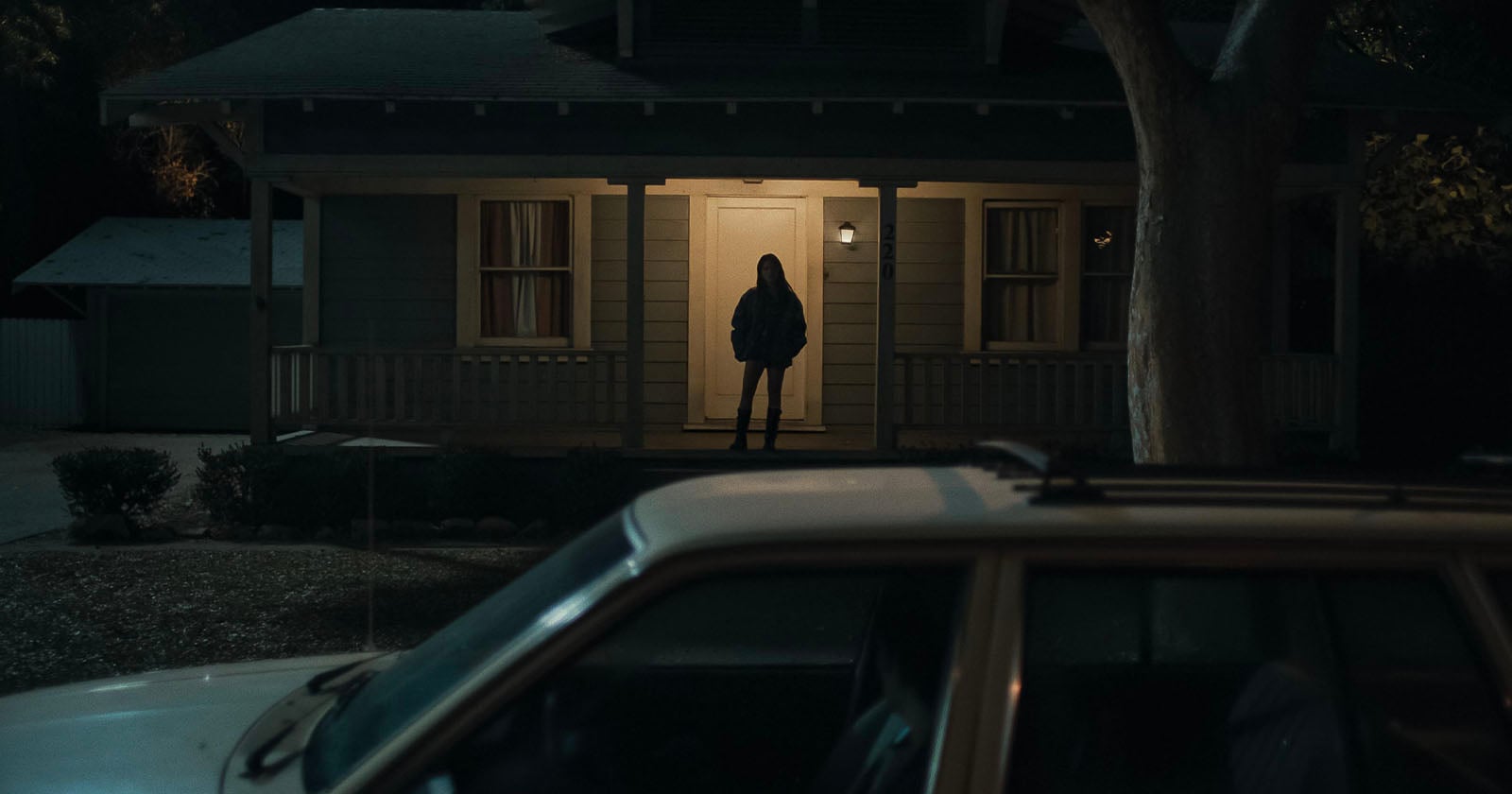
Barker’s background as a YouTube creator (he co-founded the sketch duo that’s a bad idea with Cooper Tomlinson) gave the film an early boost. Their combined fanbase of over 1 million followers helped drive buzz, and the duo’s 2024 short film Milk & Serial—made for just $800—had already amassed 2.7 million views. Focus Features capitalized on this by partnering with influencers to generate reviews on Letterboxd and deploying cryptic billboards in LA and NYC that mimicked the film’s chaotic tone.
For more on this story, see A24’s ‘Backrooms’ Review: Chiwetel Ejiofor and Renate Reinsve Struggle to Conquer Liminal Horror.
The marketing worked. As of May 27, Obsession had grossed $68 million domestically against a budget of $750,000–$1 million. Lisa Bunnell, head of distribution at Focus, told The Hollywood Reporter that the film’s audience—75% aged 18–34—was "dominated by Gen Zers and younger Millennials," a demographic that has historically favored streaming over theaters. Yet Obsession proved that even low-budget horror can thrive in cinemas if the story resonates.
Why Gen Z’s Return to Theaters Made This Film a Cultural Moment
The Gen Z Factor
The film’s success hinges on its core audience. According to Forbes, 75% of Obsession‘s viewers are under 34, a group that has spent the past decade consuming horror on YouTube, TikTok, and Twitch. But unlike digital content, movies offer a communal experience—something Gen Z craves after years of pandemic isolation. The film’s Rotten Tomatoes score of 96% further amplified its appeal, turning it into a must-see event.

Inde Navarrette, the film’s breakout star, has become a horror icon overnight. Her performance as Nikki, the object of the protagonist’s obsession, has been praised for its unsettling realism. Navarrette told USA Today that she "lives to scare people," a sentiment echoed by Barker, who described his films as putting "ordinary people in extraordinary situations." The result? A horror movie that feels intimate yet terrifying, a rare feat in a genre often dominated by jump scares.
How a Low-Budget Horror Film Could Reshape the Genre’s Future
What Comes Next?
With Obsession now grossing $68 million and climbing, the question is: Can this momentum last? The film’s second-weekend spike suggests it has legs, but Memorial Day weekends are notoriously volatile. If Obsession can maintain a 30%+ hold, it could surpass The Conjuring (2013) as the highest-grossing Blumhouse film ever.
For Barker, the success is a validation of his vision. "I gravitate toward stories that ask the audience, What would you do in this situation?" he told USA Today. That question may be the key to Obsession‘s longevity—it doesn’t just scare audiences; it makes them question their own desires.
As for Blumhouse, this could be a blueprint for future horror hits. If a $1 million film can outperform Jumanji and Sound of Freedom, the genre’s ceiling has never been higher.
| Film | Second Weekend % Increase | Budget | Opening Weekend Gross |
|---|---|---|---|
| Obsession | 39.4% | $750K–$1M | $17.2M |
| Jumanji | 38% | $100M | $114M |
| Sound of Freedom | 39% | $10M | $19.6M |
| Monster’s Inc. | 35% | $115M | $150M (re-release) |
Obsession isn’t just breaking records—it’s redefining what a horror movie can achieve with minimal resources. And if this trend continues, the genre may never be the same.
