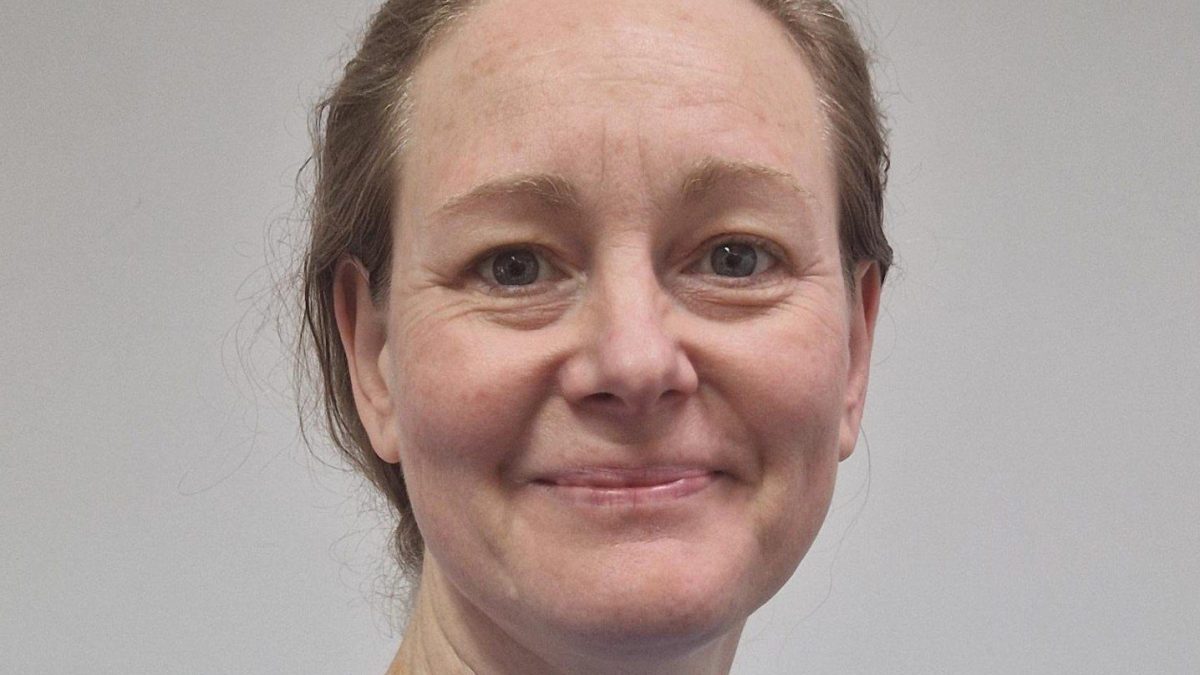
South African doctors warn that thyroid dysfunction is increasingly being mistaken for burnout, with symptoms like fatigue and mood swings often misattributed to stress. A 2026 Gallup report found 46% of sub-Saharan Africans experience work-related stress, but endocrinologists like Dr. Fatima Hoosain say many patients are actually suffering from undiagnosed thyroid issues. “The overlap is frighteningly easy to miss,” Hoosain told IOL.
The Overlap Between Burnout and Thyroid Dysfunction
The thyroid gland, a small butterfly-shaped organ in the neck, regulates metabolism, energy levels, and mood. When it malfunctions, either becoming underactive (hypothyroidism) or overactive (hyperthyroidism), the body experiences a cascade of symptoms that mirror chronic stress. Both conditions can cause brain fog, irritability, and fatigue that persists despite rest. “Many symptoms of thyroid disease are vague and non-specific which mean GPs are likely to think it’s the menopause,” said Kristien Boelaert, a professor of endocrinology at the University of Birmingham and trustee of the British Thyroid Foundation, via The i Paper.
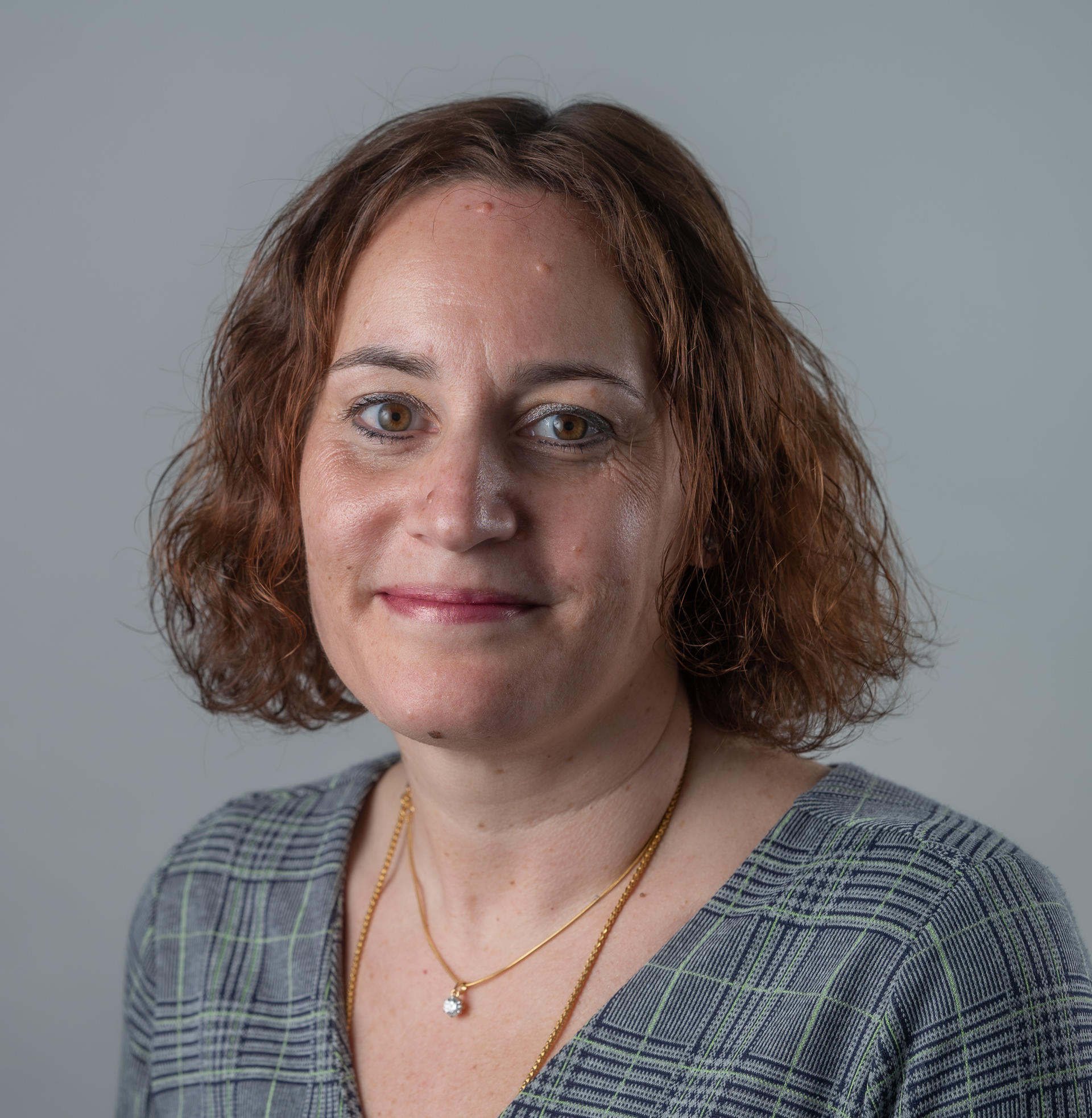
Hoosain explained that burnout typically stems from emotional overload, with exhaustion linked to prolonged “fight or flight” responses. Thyroid dysfunction, however, causes physical slowdowns. “If it’s hypothyroidism, your body physically slows down,” she said. “Patients often describe feeling like they’re moving through water, with every task requiring immense effort.” This distinction is critical: while burnout may improve with rest, untreated thyroid disorders can lead to severe complications like heart disease or infertility.
Why Misdiagnosis Is a Growing Concern
Thyroid dysfunction affects an estimated 5% of the global population, with women disproportionately impacted. Yet many cases go undetected because symptoms like weight gain, hair loss, and depression are often attributed to aging or mental health struggles. Boelaert emphasized that a simple blood test for TSH (thyroid-stimulating hormone) could resolve most cases. “Guidance states you need several symptoms before diagnosing a condition, but if you have possible symptoms, GPs can easily request a test,” she said.
South Africa’s unique stressors—load-shedding, economic instability, and caregiving demands—exacerbate the problem. Hoosain noted that patients often joke about being “burnt out” while their thyroid glands signal distress. “The body’s red flags are being ignored because we’ve normalized exhaustion,” she said.
Experts warn that delayed diagnosis is particularly dangerous for women. “Thyroid issues can mimic menopause, leading to years of mismanagement,” Boelaert said. “This isn’t just about fatigue—it’s about long-term health consequences.” The British Thyroid Foundation reports that untreated hypothyroidism increases heart disease risk by 30%, while hyperthyroidism can cause osteoporosis and arrhythmias.
What Patients and Doctors Need to Know
Recognizing the difference between burnout and thyroid dysfunction requires awareness of key indicators. While burnout typically improves with time off, thyroid-related fatigue persists and may worsen. Other red flags include unexplained weight changes, sensitivity to cold or heat, and persistent constipation or diarrhea. “If you’re experiencing these symptoms alongside stress, it’s worth asking for a TSH test,” said Hoosain.

Doctors are urging patients to advocate for themselves. “Don’t dismiss symptoms just because they align with stress,” Boelaert advised. “Thyroid disease is common, treatable, and often overlooked. A simple test can make all the difference.” For those already diagnosed, managing the condition through medication and lifestyle changes can restore energy and prevent complications.
The stakes are high: early intervention can reverse many symptoms, while delays risk irreversible damage. As Hoosain put it, “Your thyroid is a silent operator. When it’s off, everything suffers—but when it’s fixed, life can feel like a relief.” With 2026 marking a critical moment in public health awareness, the message is clear: don’t let exhaustion be the new normal.
