Bungie will cease all content updates for the sci-fi shooter Destiny 2 on June 9, 2026, marking the end of nearly nine years of active live-service development. While the game’s servers will remain operational, the studio has shifted its primary focus toward other projects, leaving the franchise’s future in an indefinite, static state.
The End of Active Development and the Maintenance Mode Shift
Bungie Ends Destiny Forbes
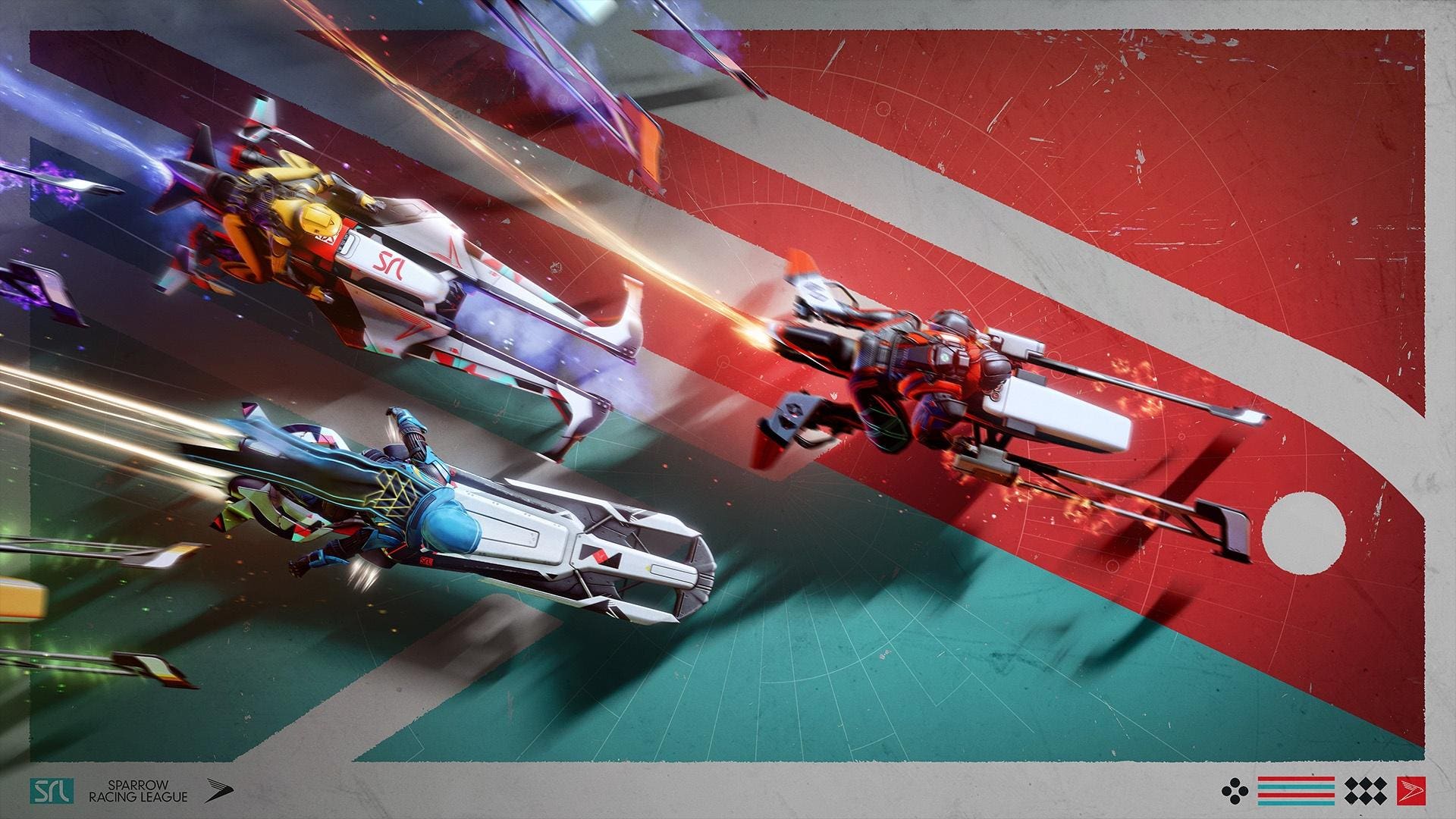
The final content update for Destiny 2, scheduled for June 9, 2026, will introduce a series of revamped loot systems, new abilities, and the return of the Sparrow Racing League. According to reporting from IGN, Bungie has confirmed that while the game will remain playable, it is transitioning into a “maintenance mode” following this release. This signifies that the era of seasonal expansions, major story beats, and full-scale development cycles is effectively over.
For the dedicated player base, this transition carries significant weight. As noted by Forbes, the community response has been a mix of celebration for the high quality of the final update and mourning for the loss of a long-term service model. Some fans have even discussed plans to “crash the servers” as a protest to signal that interest in the franchise remains high despite the studio’s decision to move on.
Internal Strategy Shifts and the Destiny Infinity Proposal
cluster (priority): IGN
The decision to conclude development on Destiny 2 was not made in a vacuum. Internal discussions at Bungie regarding “what the future of Destiny 2 would look like” intensified following the underperformance of recent expansions. Specifically, the “Edge of Fate” expansion reportedly failed to meet internal expectations, and the subsequent Star Wars-themed “Renegades” expansion “did even worse [than Edge of Fate] and didn’t change sales or retention trajectory.”
Bungie reportedly considered a complete rebranding and relaunch of the franchise under the title “Destiny Infinity.” This project would have seen a return to the single, large-scale expansion model that defined the series in its earlier years. However, the proposal was ultimately discarded.
“was considered, as ever, but things didn’t swing that way,”
according to reporting from IGN, which noted that the costs and risks associated with such a relaunch were deemed too high. Similarly, the possibility of a dedicated “Destiny 3” was weighed but rejected due to the high costs of production.
Financial Pressures and the Marathon Pivot
Jim Ryan is Leaving Sony – Stepping Down as Sony CEO
Bungie’s recent history has been marked by significant financial volatility. Since the studio parted ways with Activision in January 2019, it has struggled to maintain consistent revenue growth. Sony acquired Bungie in early 2022 in a deal valued at $3.6 billion, yet the parent company has publicly acknowledged that the investment has not yet yielded the expected returns. Sony recently reported a $765 million impairment loss specifically linked to Bungie’s underperformance.
The studio’s focus has increasingly pivoted toward its new extraction shooter, Marathon, which launched in early March with a reported budget exceeding $250 million. Despite the high investment, industry analysts suggest the title has struggled to meet sales expectations. Notably, however, IGN reports that Marathon’s performance was “not the tipping point of all of this” regarding the decision to end Destiny 2 support.
The Future of a Legacy Title
cluster (priority): news.google.com
As the June 9 deadline approaches, the distinction between “maintenance mode” and a total shutdown remains a point of friction. Forbes argues that Sony should retain a skeleton crew to manage the game, providing occasional updates or balance passes to keep the experience fresh for the remaining players. The comparison is often drawn to Cyberpunk 2077, which continued to receive support long after initial development cycles were deemed finished.
Whether Bungie will adopt a similar approach remains to be seen. For now, the studio is moving forward with a final update that many fans consider to be one of the best in years, offering a bittersweet conclusion to a franchise that began with the launch of the original Destiny on September 9, 2014. As development winds down, the game enters a period of uncertainty, with the community left to wonder how long a title without active support can sustain its identity in an industry that rarely stops moving.
Leo Andersson covers innovation, AI, and cybersecurity. A former engineer turned journalist from Stockholm, Leo has contributed to major tech outlets across Europe. His analytical style and deep understanding of technology trends define Globally Pulse’s forward-looking reporting.