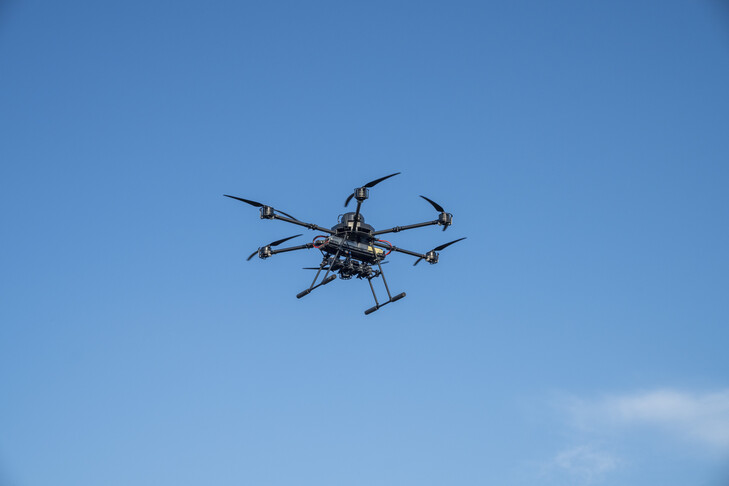
US military personnel were injured in an Iranian drone strike at a Kuwaiti air base on April 7, 2026, while tensions in the Persian Gulf escalated with Iran’s reported missile launches and U.S. efforts to broker a temporary truce. The incident, which occurred amid a 3-month-old war, highlights the volatile regional dynamics as diplomatic and military actions intersect.
Tensions Escalate in the Persian Gulf
An Iranian drone strike on Ali Al Salem Air Base in Kuwait on April 7, 2026, injured 15 American personnel, according to a report from aa.com.tr. The air base, located 37 kilometers from the Iraqi border, serves as a critical hub for US operations in the region. The attack occurred amid heightened regional tensions following the US-Israel joint offensive on Iran in February, which killed over 1,340 people, including former Supreme Leader Ayatollah Ali Khamenei. Iran has since retaliated with drone and missile strikes targeting Israel, Jordan, Iraq, and Gulf nations hosting US military assets, while also restricting ship movements through the Strait of Hormuz.
The Pentagon reported that Iran launched a ballistic missile toward Kuwait and deployed attack drones in and around the strait in late May 2026, according to CNBC. These actions came as US and Iranian officials reportedly reached a “mostly agreed” 60-day ceasefire deal, though President Donald Trump had yet to finalize the memorandum of understanding. The agreement would suspend the war and initiate nuclear negotiations, but Trump’s “several red lines” include Iran surrendering its highly enriched uranium and ensuring the Strait of Hormuz remains free and open.
Diplomatic Efforts Amid Regional Unrest
US Treasury Secretary Scott Bessent emphasized that the Strait of Hormuz must remain unobstructed, stating, “The teams have been going back and forth,” during a White House press briefing. Bessent also warned Oman against implementing a tolling system for the strait, writing on X: “Oman, in particular, should know that the U.S. Treasury will aggressively target any actors involved — directly or indirectly — in facilitating tolls for the Strait and any willing partners will be penalized.” This follows Trump’s earlier threat that “Oman will behave just like everybody else, or we’ll have to blow ’em up.”
Oman’s ambassador later assured Bessent that no tolling plans were in place, according to CNBC. However, the US Treasury had already sanctioned Iran’s “Persian Gulf Strait Authority” on April 28, 2026, as part of efforts to counter Tehran’s attempts to control transit through the strait. The agency, established earlier that month, is seen as a move to assert dominance over one of the world’s most critical oil shipping routes.
Implications for Regional Stability
The interplay of military actions and diplomatic negotiations underscores the fragile balance in the Persian Gulf. While the reported ceasefire deal offers a potential pause in hostilities, the US’s insistence on unimpeded access to the Strait of Hormuz and its punitive stance toward Oman highlight the high stakes of regional power dynamics. The injury of US personnel in Kuwait also signals the growing risk to foreign military assets in the area, as Iran expands its operational reach beyond its borders.

Historically, the Strait of Hormuz has been a flashpoint for conflict, with past incidents involving tanker seizures and naval skirmishes. The current standoff reflects broader geopolitical rivalries, as the US seeks to counter Iran’s influence while navigating complex alliances with Gulf states. The outcome of the proposed 60-day deal could determine whether the region moves toward de-escalation or further confrontation, with implications for global energy markets and international security.
As the situation evolves, the role of intermediaries like Oman and the effectiveness of US sanctions will be critical. The coming weeks will test whether diplomatic efforts can outweigh the momentum of military retaliation, or if the cycle of violence will continue to define the Persian Gulf’s landscape.
