Ukraine’s EU accession bid cleared its final hurdle on June 4, 2026, after Hungary’s new government struck a deal with Kyiv on minority rights—ending a year-long veto that had stalled negotiations. All 27 EU states now back opening formal membership talks, with the first cluster of negotiations expected as soon as June 15.
For the first time since Russia’s full-scale invasion, Ukraine stands at the threshold of a membership path that could reshape Europe’s security architecture. But the road ahead is fraught with uncertainty: Poland’s lingering objections over agricultural competition, the war’s toll on Ukraine’s economic readiness, and the looming question of whether this breakthrough will hold under the weight of Brussels’ bureaucratic machinery.
How Hungary’s U-Turn Unlocked the Deadlock
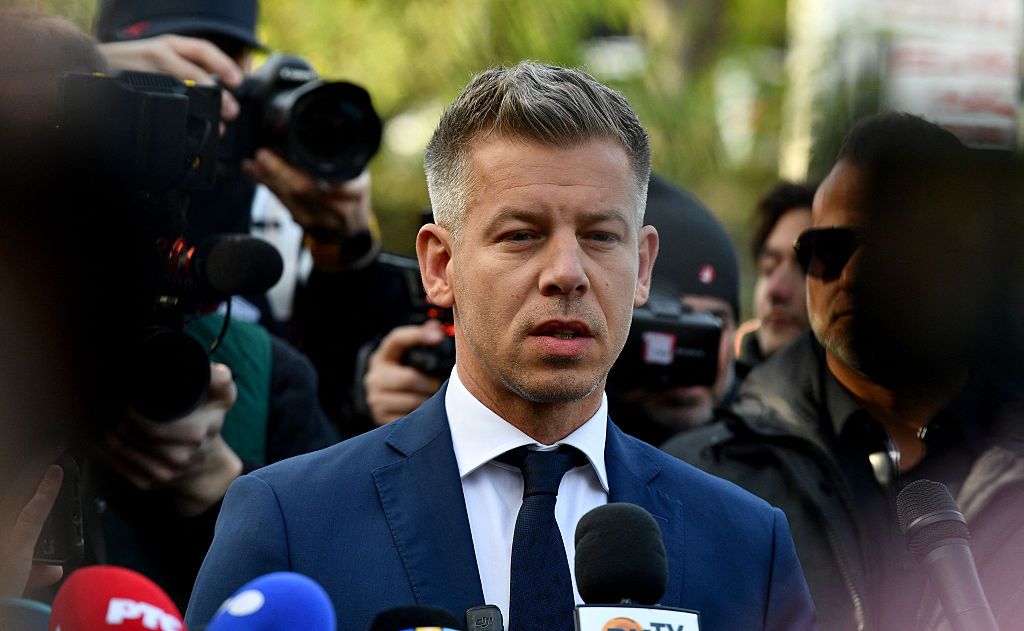
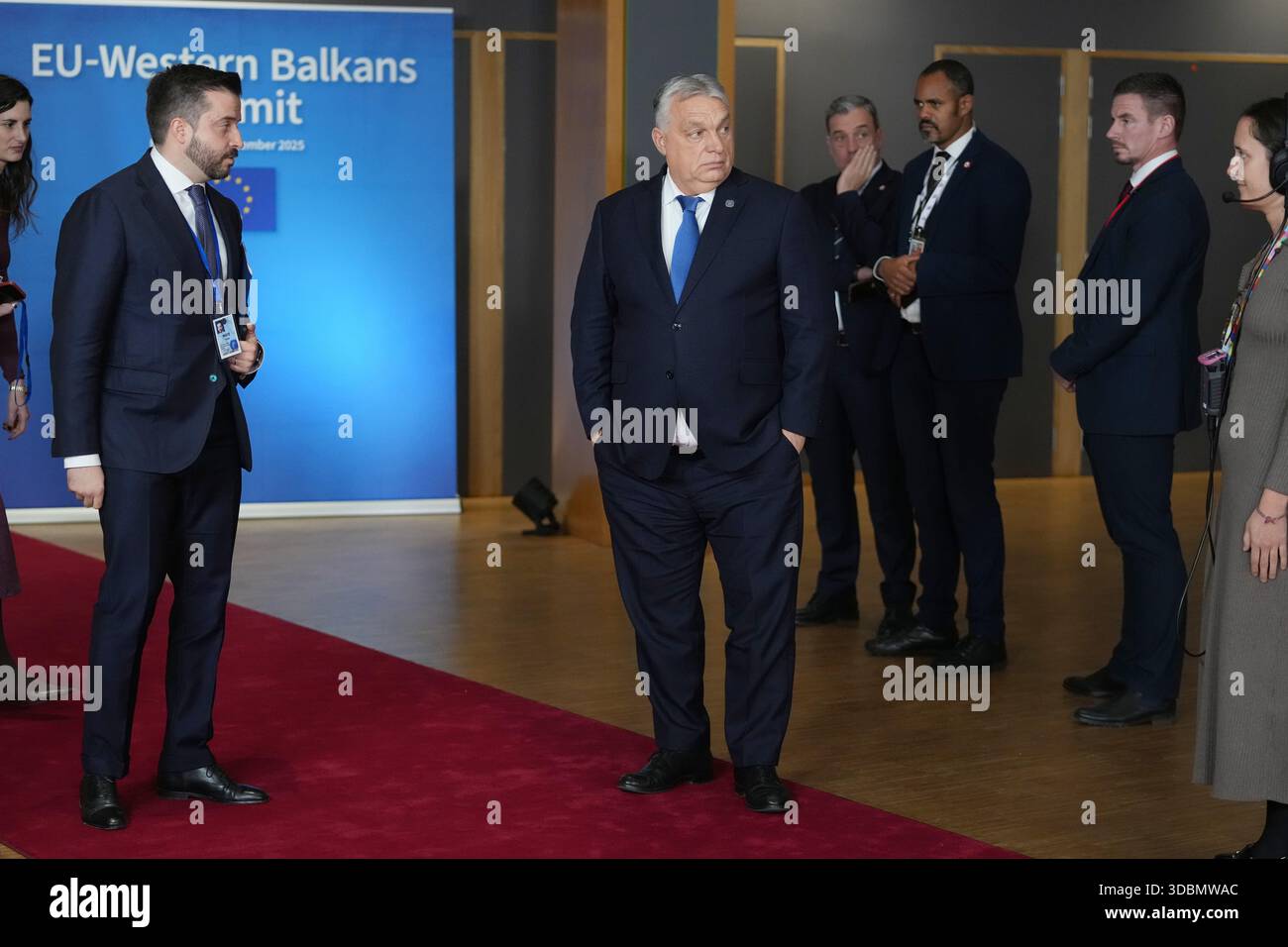
Hungary’s reversal is as sudden as it is dramatic. Under Viktor Orbán’s decade-long rule, Budapest had blocked Ukraine’s accession with 11 demands, including concessions on the rights of its Hungarian-speaking minority—an issue Kyiv saw as a thinly veiled attempt to undermine its sovereignty. But with Orbán’s Fidesz party ousted in April 2026 elections, Prime Minister Peter Magyar’s government moved swiftly to broker a compromise. On June 3, Magyar announced an agreement with Ukraine that satisfied Budapest’s concerns, clearing the way for the EU’s green light.
The timing couldn’t be more critical. Ukraine’s war economy is hemorrhaging funds: a $90 billion EU loan package—delayed for months by Hungary’s obstruction—now appears within reach. “We are one step closer to EU membership: steadily moving toward our goal,” Ukrainian Prime Minister Yuliia Svyrydenko declared on June 4, hours after the EU’s Enlargement Commissioner, Marta Kos, confirmed the accession talks would proceed.
Yet the victory is bittersweet. While Hungary’s shift was decisive, it came after a year of diplomatic brinkmanship. Orbán’s predecessor had leveraged Ukraine’s financial desperation to extract concessions, including recognition of Hungarian minority schools and cultural autonomy in western Ukraine—a region where pro-Hungarian sentiment runs deep. The deal, while vague on specifics, appears to satisfy Budapest’s demands without forcing Kyiv to cede territorial or legal sovereignty.
“Prime Minister Magyar’s announcement of the agreement between Hungary and Ukraine to advance minority rights opens the way for progress on the EU accession path of Ukraine.”
The Six Clusters: Which Will Open—and Which Won’t
The EU’s accession process is divided into six “clusters,” each covering a different policy area. While the first cluster—covering democracy and rule of law—is now set to launch, the fate of the others remains uncertain. Diplomats told Kyiv Independent that the sixth cluster, on “external relations,” could also open soon, given its technical nature. But clusters two and three—covering the internal market and competitiveness—face hurdles.
Cluster two, the internal market, is particularly contentious. With Ukraine’s borders still contested and supply chains disrupted by war, EU officials doubt Kyiv can meet the free movement of goods and people requirements. “The war makes it hard to allow the free movement of goods and people,” one EU official noted, though an EU document suggests the cluster could still advance.
Cluster three, “competitiveness,” has a better chance. Ukraine’s post-war economic reconstruction—backed by EU funds—could align with Brussels’ priorities. But agriculture (cluster four) and transport (cluster five) will likely stall due to Polish fears of Ukrainian competition in these sectors. Warsaw has already signaled it won’t budge on quotas for Ukrainian grain and dairy exports, a sticking point that could derail negotiations.
Why This Matters Beyond Borders
The stakes of Ukraine’s EU bid extend far beyond Kyiv’s borders. For the EU, admitting Ukraine would transform the bloc into a military and agricultural powerhouse. Ukraine’s army—with 800,000 to 900,000 active personnel, per The Guardian’s analysis—outnumbers those of the UK, France, and Poland combined. Its defense industry, battle-tested by years of war, has become a leader in drone technology and rapid prototyping. For a Europe increasingly wary of U.S. reliability under a potential Trump presidency, Ukraine’s accession could be the bloc’s best insurance against future Russian aggression.
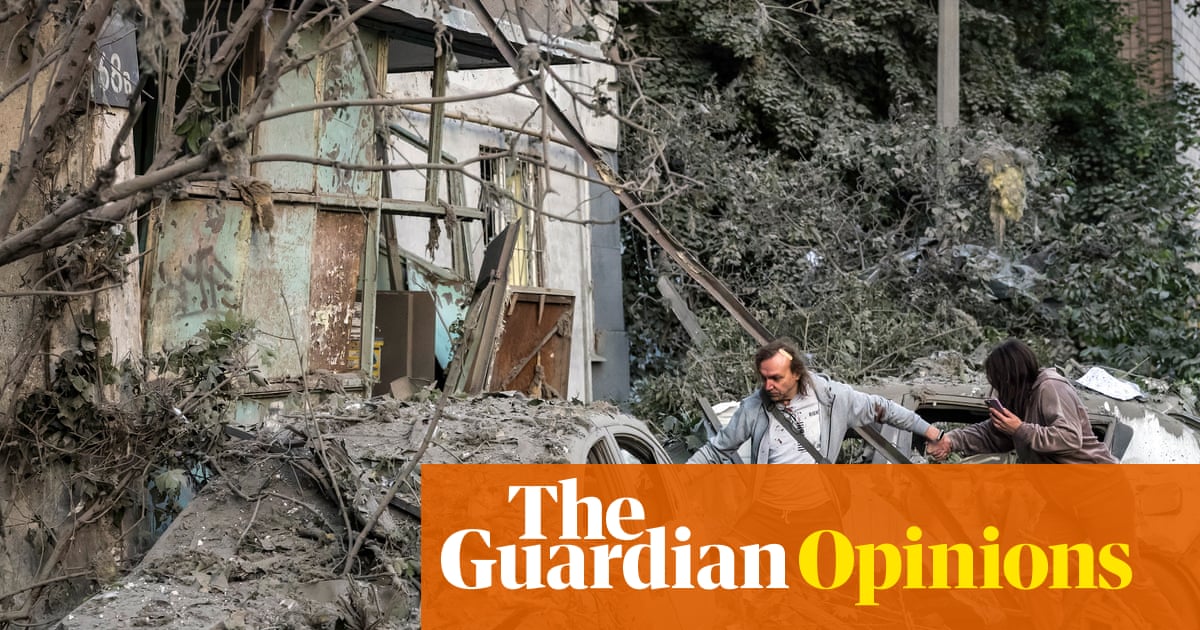
For Ukraine, the benefits are equally transformative. EU membership would force Kyiv to implement sweeping anti-corruption reforms, institutionalize the rule of law, and attract foreign investment—critical steps for post-war recovery. As Mujtaba Rahman argues in The Guardian, the EU’s commitment to Ukraine’s accession could be the linchpin in any future peace deal with Russia. Without it, President Volodymyr Zelenskyy would struggle to sell territorial concessions to a skeptical Ukrainian public.
Yet the process is not a guarantee. Even if talks begin in June, full membership could take a decade or more. And with Poland’s objections unresolved, the EU’s unity on Ukraine’s bid remains fragile. “Positive developments” may have cleared the first hurdle, but the real test lies ahead: whether Brussels can reconcile its geopolitical ambitions with the messy realities of war-torn Europe.
The Next 30 Days: What to Watch
The next critical dates are June 15 and 16, when EU foreign ministers are expected to formally open the first cluster of negotiations in Luxembourg. If that fails, the talks could slip to a later meeting. But the bigger question is whether Hungary’s deal will hold—or if Orbán’s political successors will face backlash from nationalist factions in Budapest.
Poland’s stance is another wild card. While Warsaw has not publicly opposed the accession talks, its agriculture minister has already warned of “unfair competition” from Ukrainian farmers. If Poland digs in its heels, the EU may need to find creative compromises—such as transitional periods for agricultural quotas—or risk derailing the entire process.
Then there’s the war. Ukraine’s battlefield position remains precarious. Any setback on the front could force Brussels to delay accession talks, citing instability. Meanwhile, Russia—already framing Ukraine’s EU bid as “Western aggression”—may escalate its rhetoric or even its military actions to disrupt the process. The EU’s ability to balance its humanitarian impulses with geopolitical realism will be tested like never before.
A Membership Path—But No Shortcut to Peace
Ukraine’s EU accession is a historic milestone, but it is not a panacea. The talks will expose Kyiv’s weaknesses—corruption, judicial backsliding, and economic mismanagement—while offering little immediate relief from the war. For Zelenskyy, the EU’s support is vital, but it won’t end the fighting. For the EU, Ukraine’s admission is a strategic win, but it comes with the cost of integrating a country still at war.
The real question is whether this moment will be remembered as the beginning of Ukraine’s European future—or just another false dawn in a five-year conflict. The answer may hinge on whether the EU can deliver on its promises, and whether Ukraine can deliver on its reforms. For now, the ball is in Brussels’ court. And the clock is ticking.
What happens next depends on three factors: Poland’s willingness to compromise, the EU’s ability to streamline the accession process, and Ukraine’s capacity to meet the bloc’s demands—all while the war rages on.
