On June 5, 2026, NASA reversed an evacuation order for astronauts aboard the International Space Station (ISS) after a worsening air leak prompted a temporary shelter-in-place protocol, according to multiple reports. The incident, involving five crew members, highlighted tensions between U.S. and Russian space agencies over repair methods and safety protocols.
Evacuation Order and Reversal
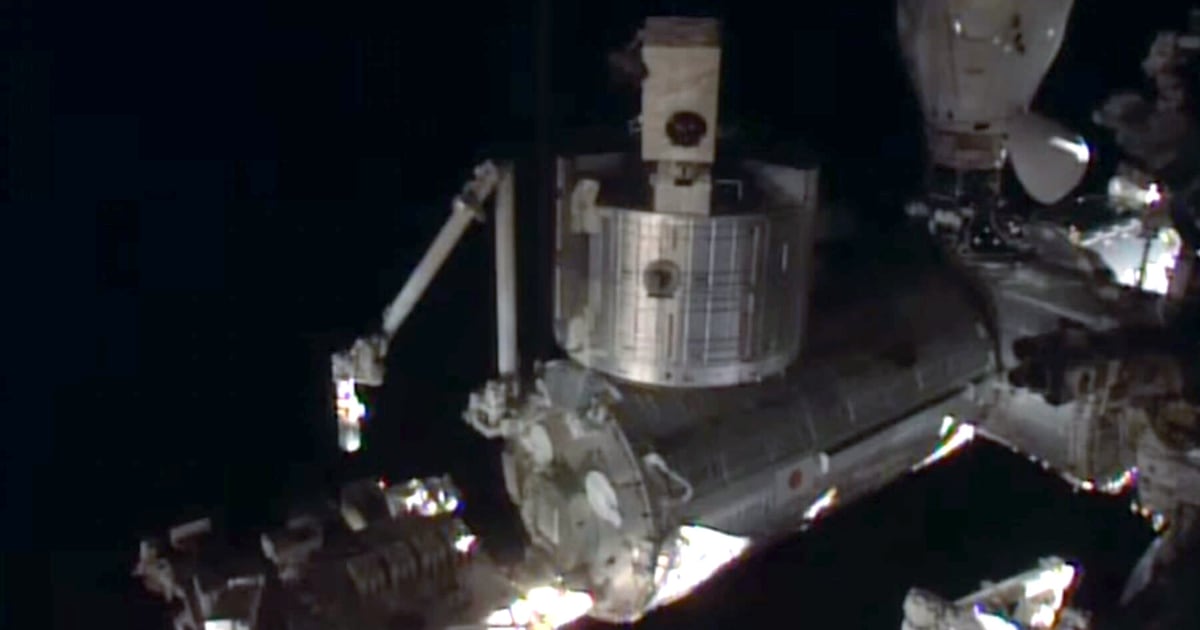
At 9:04 a.m. ET on June 5, NASA mission control ordered four crew members from the Crew-12 mission—NASA astronauts Jessica Meir and Jack Hathaway, European Space Agency astronaut Sophie Adenot, and Roscosmos cosmonaut Andrey Fedyaev—along with U.S. astronaut Christopher Williams to enter their SpaceX-built Crew Dragon spacecraft docked to the ISS. The directive came as Russia attempted to fix a crack in its Zvezda service module, a critical component of the orbital laboratory. The order was reversed roughly two hours later after NASA and Roscosmos assessed the leak’s severity.
NASA spokesperson Bethany Stevens emphasized collaboration in addressing the issue, stating, “We look forward to working with Roscosmos on a collaborative approach to address the leaks,” a quote repeated across multiple sources. The reversal followed concerns over a spike in air leakage rates, which increased from one pound of air per day to two pounds on June 5, according to a senior NASA official who requested anonymity.
Technical Disputes and Repair Methods
The crisis stemmed from ongoing disputes between NASA and Roscosmos over how to address small air leaks in the Zvezda module. While Roscosmos reported sealing one leak and preparing to address a second, NASA officials raised concerns about the proposed repair method. Two cosmonauts, Sergey Kud-Sverchkov and Sergei Mikayev, had planned to use a saw to access the affected area, a tactic NASA deemed risky. This disagreement prompted the safe-haven order, a rare procedure on the ISS, which has never required a full evacuation in its 27-year history.
Roscosmos stated there was no immediate threat to the crew or spacecraft systems, though the agency acknowledged the need for careful repairs. The incident underscores the challenges of maintaining the aging ISS, which has faced intermittent leaks since its inception.
Crew Composition and Historical Context
The ISS currently hosts seven astronauts from two missions. The Crew-12 team, which arrived in February 2026, includes the four astronauts ordered into the Crew Dragon. The other crew, consisting of Christopher Williams and cosmonauts Kud-Sverchkov and Mikayev, arrived in November 2025. This is the first time since 2020 that a safe-haven order has been issued, according to NASA records.
Such procedures are typically triggered by space debris risks or minor pressure changes, but the June 5 incident marked the first time a leak of this scale prompted temporary sheltering. The rarity of the event highlights the ISS’s vulnerability to structural issues, despite its design for long-term operation.
Implications for International Collaboration
The incident has reignited debates about the sustainability of the ISS, which is scheduled to remain operational until at least 2030. The U.S. and Russia, the station’s primary operators, have long faced political tensions that occasionally spill into technical cooperation. The June 5 crisis, however, demonstrated a degree of coordination, with both agencies working to resolve the leak without escalating the situation.
Experts warn that as the ISS ages, such incidents may become more frequent. “The station’s longevity is a testament to human ingenuity, but it also requires constant vigilance,” said a NASA spokesperson. “This event underscores the importance of maintaining robust international partnerships in space exploration.”
The incident also raises questions about future space station designs. With the ISS nearing the end of its operational life, agencies are already planning next-generation habitats for lunar and Martian missions. The lessons from this crisis may influence those designs, emphasizing redundancy and easier maintenance.
What Comes Next?
NASA and Roscosmos are expected to release a joint statement detailing the leak’s cause and repair process in the coming days. Meanwhile, the affected crew members have resumed normal operations aboard the ISS, with no reported health issues. The agency has also announced plans to review its emergency protocols, though no immediate changes are expected.
For now, the ISS remains a symbol of international cooperation, even as its technical challenges grow. As one astronaut noted in a recent interview, “We’re not just floating in space—we’re building the future, one repair at a time.”
