Microsoft unveiled a series of new AI initiatives at Build 2026 this week, prioritizing local hardware compute over cloud-based processing to manage mounting AI costs. By introducing specialized chips and agentic software architectures, the company aims to move complex AI workloads from expensive data centers to individual devices.
The Shift Toward Local AI Compute
local AI compute
Microsoft’s strategy is undergoing a fundamental pivot as the company grapples with the financial realities of scaling artificial intelligence. During the Build 2026 keynote, CEO Satya Nadella reframed the company’s mission, moving from the goal of a computer on every desk to providing “unmetered intelligence on every desk and in every home,” as reported by The Verge. This transition is motivated by a necessity to curb the high costs associated with usage-based, cloud-heavy AI models.
The company is betting on hybrid compute, a model that relies on powerful local hardware to handle tasks that would otherwise incur significant cloud expenses. Windows chief Pavan Davuluri emphasized the company’s dual focus in an interview: “I think we, as Microsoft, have the responsibility for building the best possible AI stack that we can on [Windows], and obviously drive the best AI stack that we can in the cloud,” according to The Verge.
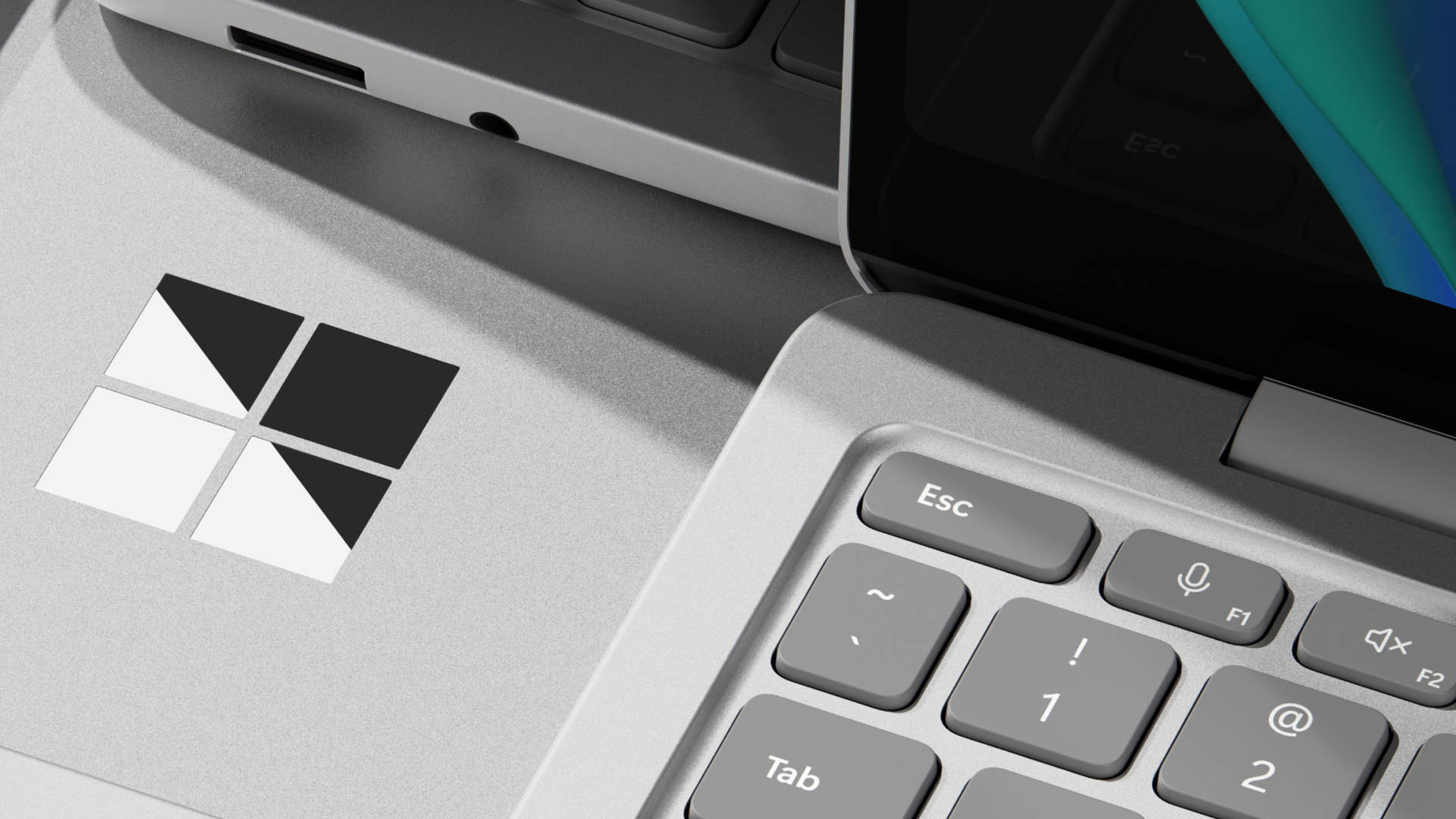
This approach is supported by the introduction of the Surface RTX Spark Dev Kit, designed to leverage new chips from Nvidia. These processors allow for the local execution of large language models with up to 120 billion parameters. By shifting these workloads to the edge, Microsoft intends to bypass the cloud entirely for specific tasks. As Nvidia CEO Jensen Huang noted earlier this week: “You don’t want to necessarily run everything in the cloud, because if you can run it locally, it’s free.”
Project Solara and Agentic Interface Concepts
cluster (priority): Ars Technica
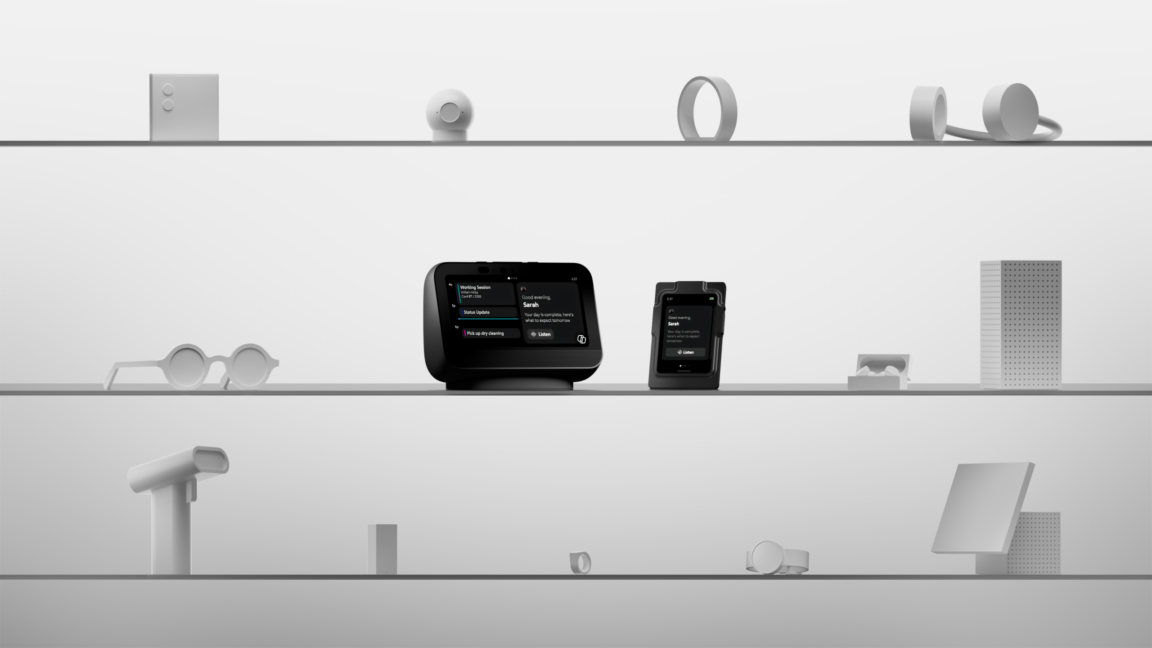
Beyond traditional PC hardware, Microsoft is experimenting with agent-first devices under the banner of Project Solara. As detailed by Ars Technica, these concepts move away from app-centric computing toward environments designed specifically for AI agents. The company demonstrated two experimental form factors: a smart display known as the Desk Concept and a wearable device called the Badge Concept.
The Badge Concept, in particular, represents a departure from current mobile computing paradigms. Microsoft envisions this Qualcomm-based device—featuring a touchscreen, 5G, and biometric authentication—as a gateway for users to interact with agents. The device could theoretically record meetings, provide summaries, and “take action on the environment,” a capability that remains speculative as the project is still in the concept phase. Microsoft is currently coordinating these demonstrations with industry partners, including Best Buy, CVS Health, and Target, though the technology is not yet commercially available.
Developer Tooling and Execution Containers
Microsoft unveils new AI models to lessen reliance on OpenAI and lower costs for developers
To support this AI-centric shift, the company is refining the Windows development environment to reduce friction for those building agent-driven workflows. According to the Windows Blog, the latest updates include the general availability of Windows Development Skills, which provide agents with structured knowledge to build native Windows applications.
Security and manageability remain central to this rollout. Microsoft introduced the Execution Containers (MXC) SDK, a policy-driven layer that allows developers to set containment boundaries for agents at runtime. This tool is designed to define exactly what an agent can access, such as network connections or specific file directories, ensuring that local AI operations remain secure.
Other updates announced at Build 2026 include:
Intelligent Terminal: An experimental preview that adds context-aware intelligence to terminal-based workflows for debugging and multi-step tasks.
WSL Containers: A forthcoming public preview that enables the creation and interaction with Linux containers using familiar command-line interfaces.
Windows Developer Configurations: A command-line tool powered by WinGet that automates the setup of distraction-free development environments.
The Future of Hybrid AI Deployment
cluster (priority): The Verge
The broader implications of these developments suggest a tightening of the relationship between local PC hardware and AI capability. With cloud-based AI costs creating a squeeze for both developers and consumers, the ability to aggregate compute power at the edge has become a strategic priority. Nadella highlighted the untapped potential of this model during his keynote: “The amount of compute that there is at the edge is astounding,” as reported by The Verge.
While the company continues to invest in cloud infrastructure, the emphasis on local processing signals an acknowledgment that the current trajectory of cloud-only AI is not economically sustainable for every use case. Whether these agentic concepts will successfully transition from experimental prototypes to standard consumer tools remains to be seen. For now, Microsoft is positioning its platform to bridge the gap between the efficiency of local compute and the scalability of the cloud, aiming to make AI a permanent, cost-effective fixture on Windows devices.
Leo Andersson covers innovation, AI, and cybersecurity. A former engineer turned journalist from Stockholm, Leo has contributed to major tech outlets across Europe. His analytical style and deep understanding of technology trends define Globally Pulse’s forward-looking reporting.