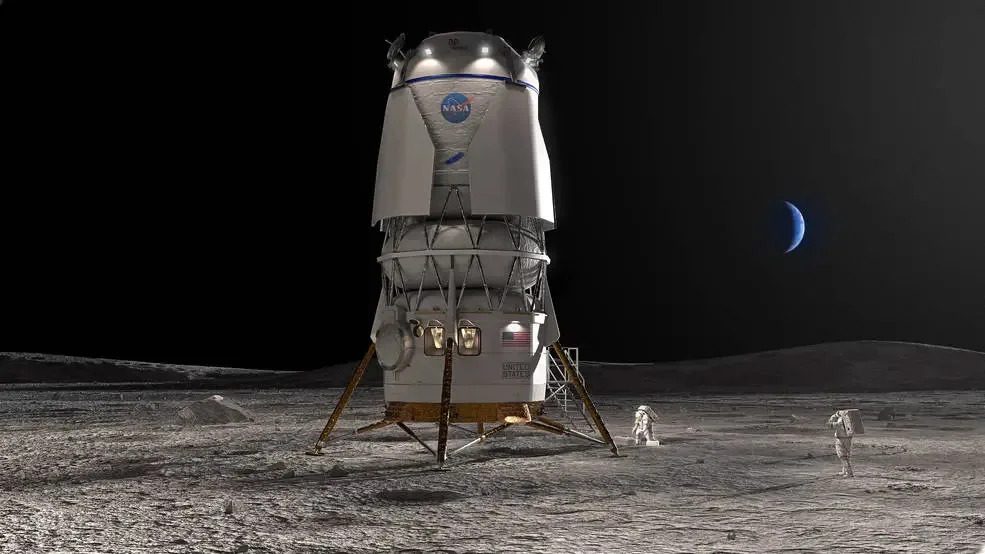
The Shift in Mission Objectives for Artemis III
The path back to the lunar surface has proven more complex than initial timelines suggested. While the broader Artemis program aims to re-establish a human presence on the moon for the first time since 1972, the specific architecture of the third mission has undergone a significant recalibration. NASA officials confirmed earlier this year that Artemis III would transition from a lunar landing attempt into a specialized test flight.
The mission’s primary objective is now to demonstrate the ability of the Orion spacecraft to rendezvous and dock with commercial lunar landing systems in low Earth orbit. This shift reflects a cautious, methodical approach to safety and systems integration. As noted by NASA Administrator Jared Isaacman, the agency determined that jumping directly to a landing attempt was not a viable strategy.
“This is just not the right pathway forward,” and “Going right to the moon … is not a pathway to success.”Jared Isaacman, NASA Administrator
By pivoting to this testing phase, NASA intends to iron out mechanical and software challenges before attempting to put human footprints on the moon. The landing objective has now been deferred to the Artemis IV mission, according to reporting from Yahoo News.
Crew Announcement and Public Observation Logistics
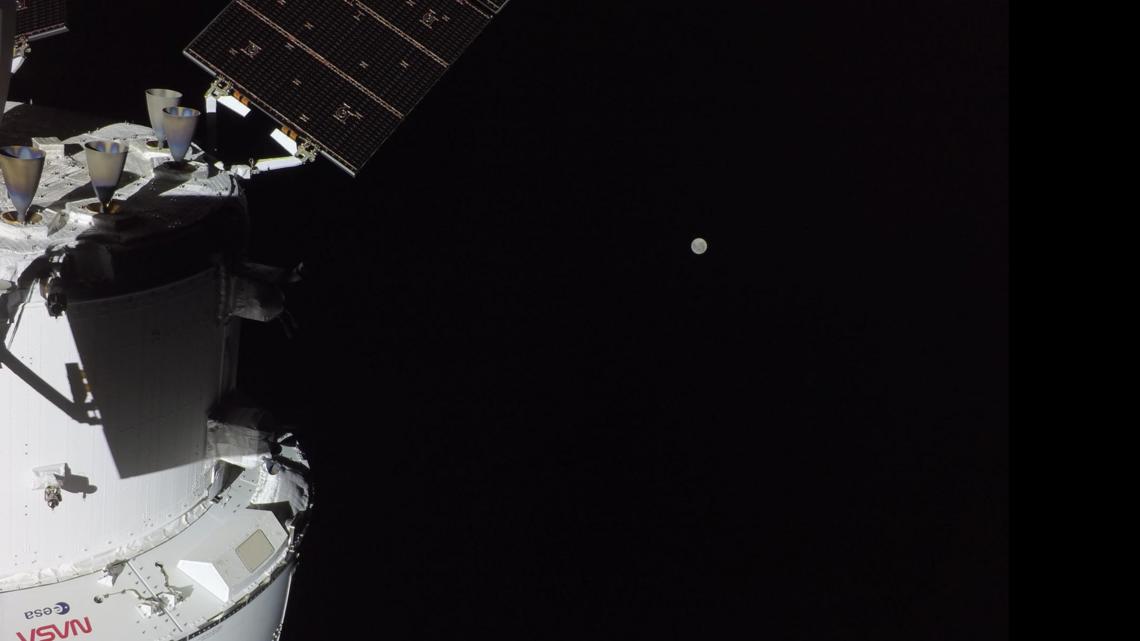
The upcoming unveiling of the four astronauts selected for the mission represents the next major milestone for the program. The announcement is scheduled for June 9, 2026, at 11:00 AM EDT. The agency plans to broadcast the event live on NASA+ and its official YouTube channel, ensuring global access to the reveal.
For those looking to experience the announcement in person, the Kennedy Space Center Visitor Complex is hosting a public watch party in the Rocket Garden. The event will feature a large-screen broadcast and on-site communicators to provide context and answer questions. The venue has confirmed that limited bleacher seating will be provided on a first-come, first-served basis, and the event will proceed regardless of weather conditions.
Technical Integration and Private Sector Competition
Artemis III relies on a complex synergy between government-built hardware and private-sector innovation. The mission will utilize the Space Launch System (SLS) rocket to propel the Orion spacecraft into orbit. Once in position, the crew will work to integrate these systems with commercial landing hardware.
This development cycle has effectively turned the lunar lander project into a high-stakes arena for private industry. Two of the world’s most prominent billionaires, Elon Musk of SpaceX and Jeff Bezos of Blue Origin, are currently competing to provide the landing systems that will eventually ferry astronauts to the lunar surface. The success of Artemis III in testing these docking capabilities is essential for determining which systems meet the rigorous safety requirements set by the agency.
Contextualizing the Artemis Timeline

The Artemis program has evolved through a series of increasingly complex missions since its inception. To understand the stakes of the 2027 launch, it is helpful to look at the progression of the program’s flight history:
- Artemis I (2022): An uncrewed test flight of the Orion spacecraft that successfully orbited the moon.
- Artemis II (Recent): A crewed mission that transported four astronauts—Reid Wiseman, Victor Glover, Christina Koch, and Jeremy Hansen—around the moon, setting records for distance from Earth.
- Artemis III (2027): A crewed mission in low Earth orbit designed to test critical rendezvous and docking technologies for lunar landing systems.
As 10tv.com reports, these missions serve a dual purpose: they are not merely about reaching the moon, but about establishing the operational knowledge required for long-term human exploration of Mars. Scientists and engineers are focused on the practicalities of living and working on extraterrestrial surfaces, treating the moon as a training ground for deeper space exploration.
Following the June 9 announcement, public attention will likely shift toward the specific training regimens the crew must undergo to prepare for the 2027 launch. With the mission design finalized as a test flight, the next 12 to 18 months will be defined by rigorous simulations and the finalization of the commercial docking protocols. The success of these maneuvers will dictate the confidence levels for the eventual landing mission, marking the true bridge between the Apollo era and the next chapter of human spaceflight.
