
Utah’s skies could light up again this weekend as a powerful geomagnetic storm—one of the strongest of 2026—pushes the northern lights farther south than usual, potentially making them visible across much of the state. The National Oceanic and Atmospheric Administration’s Space Weather Prediction Center has issued a G3 (strong) geomagnetic storm watch for June 4–5, with activity strong enough to disrupt power grids and satellite communications while gifting skywatchers a rare celestial spectacle.
This isn’t just another aurora alert. The storm follows a series of X-class and M-class solar flares from sunspot region 4455—some of the most intense eruptions this solar cycle—and could merge into a “cannibal CME,” a phenomenon where faster-moving coronal mass ejections overtake and amplify slower ones. The result? A storm with unpredictable timing, where visibility could shift by hours, leaving some regions in darkness while others get a front-row seat to the show. For Utah, that means northern areas have the best odds, but even southern observers might catch faint glows with the right equipment.
Why Utah? The Science Behind the Storm
Geomagnetic storms like this one occur when charged particles from the sun collide with Earth’s magnetic field, sending ripples through our planet’s magnetosphere. The stronger the storm (measured on a G1–G5 scale), the farther south the aurora borealis—northern lights—can be seen. A G3 storm typically lights up skies as far south as Illinois and Oregon, according to NOAA’s Space Weather Prediction Center. For Utah, that’s a rare opportunity: while the state saw northern lights in November 2025 during a G4 storm, this G3 event could bring another visible display, though with less intensity.
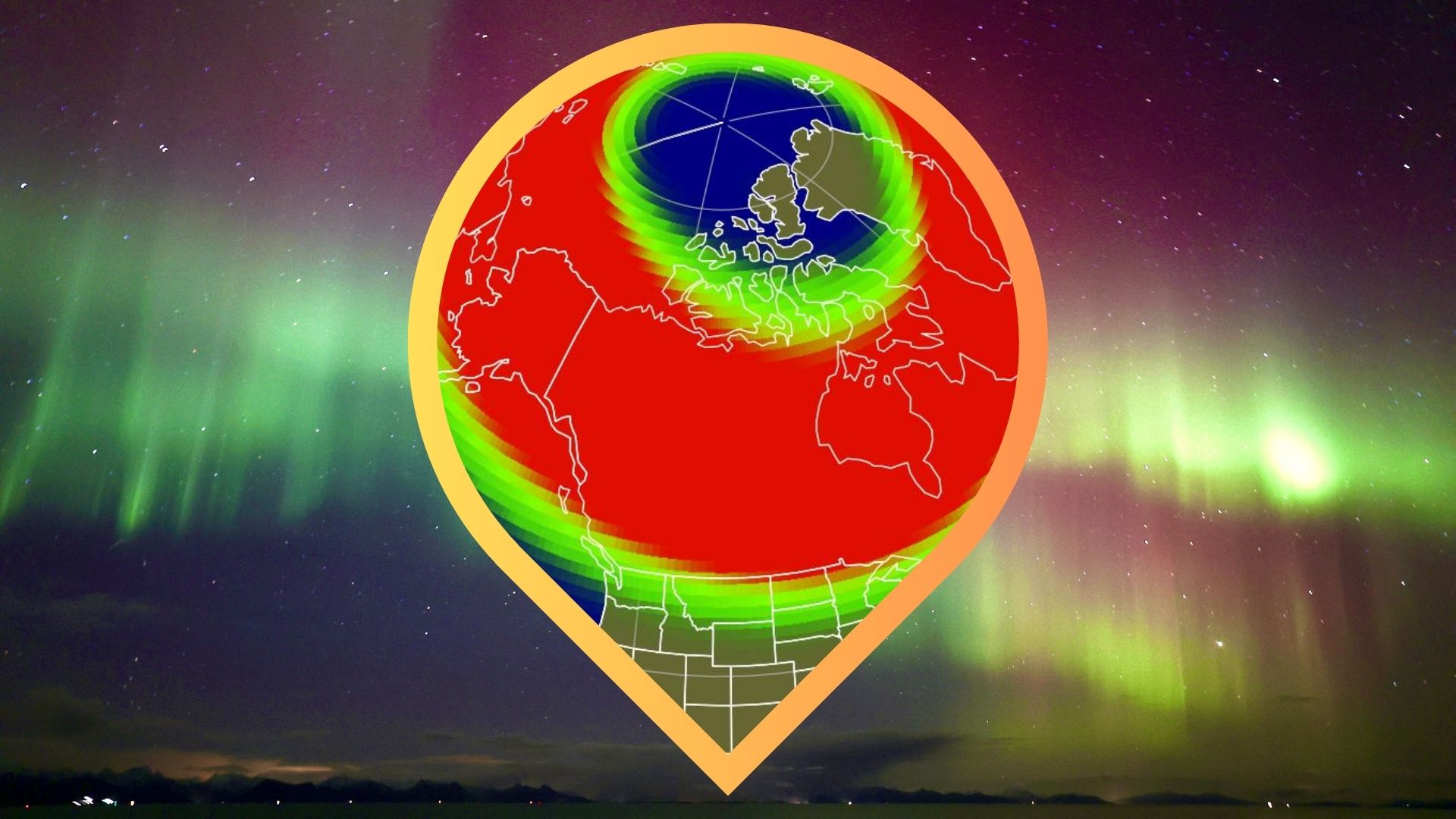
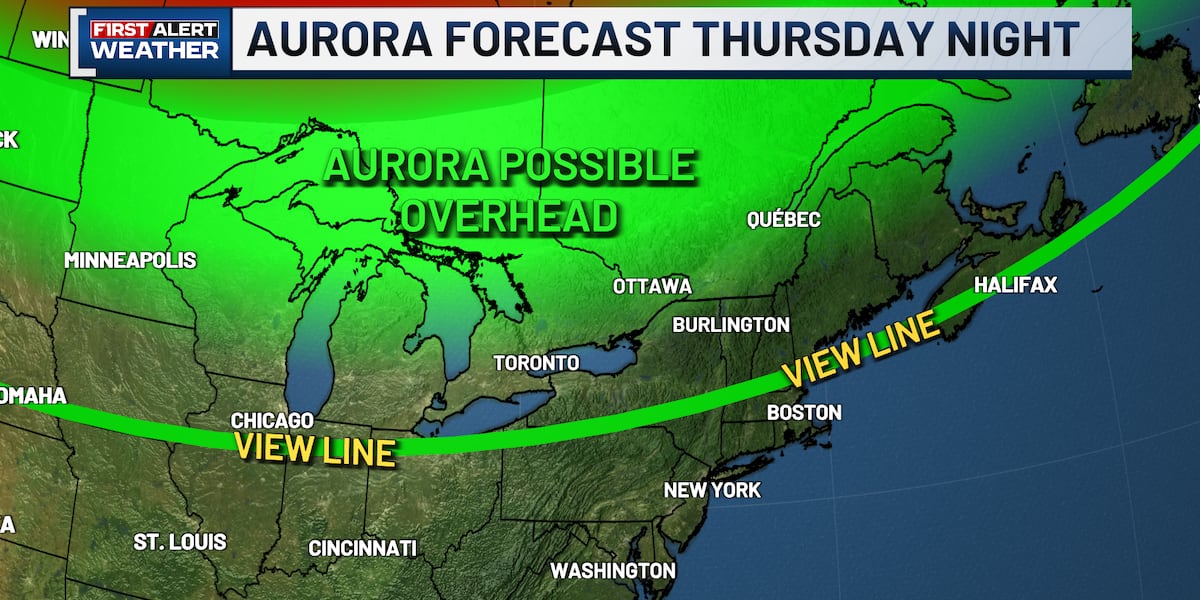
The catch? Timing. The storm’s peak activity is expected between 8 p.m. and 11 p.m. EDT on June 4, but with sunset in Utah around 8:30 p.m. local time, true darkness won’t arrive until closer to 10 p.m. The waning gibbous moon rises at 12:06 a.m., adding light pollution that could wash out fainter auroras. Experts recommend heading out between 9:30 p.m. and midnight—away from city lights, with cameras ready—to maximize chances of seeing the display.
“Because of this complex setup, the timing and intensity of the storm could shift by several hours in either direction.”
Where to Look: Utah’s Best Viewing Spots
If you’re in Utah, your best bet is to head north. The Space Weather Prediction Center’s aurora forecast shows northern Utah in the “may be visible” zone, while the rest of the state falls under “possible”—meaning it might require a camera with night mode or long-exposure settings to capture. Idaho, Wyoming, Montana, and Washington are also in the prime viewing area, but Utah’s high deserts and mountain ranges could offer unobstructed views for those willing to drive away from Salt Lake City’s light pollution.
- Best locations: Arches National Park, Capitol Reef, Bryce Canyon (elevated areas reduce atmospheric interference), and remote desert regions near Moab.
- Pro tip: Use a tripod and your phone’s night mode—modern cameras often detect auroras the naked eye misses.
- Backup plan: Check real-time aurora trackers like NOAA’s Space Weather Prediction Center or apps like “My Aurora Forecast & Alerts” for last-minute adjustments.
What’s at Stake: More Than Just Pretty Lights
While the northern lights are the star of the show, geomagnetic storms like this one carry real-world consequences. A G3 storm can disrupt power grids, scramble satellite communications, and even interfere with GPS systems. In 2025, a G4 storm caused minor blackouts in Canada and Norway, and while this storm is slightly weaker, it’s still a reminder of how dependent modern infrastructure is on the sun’s mood swings.

For scientists, this storm is a golden opportunity to study how Earth’s magnetosphere responds to extreme solar activity. The University of Alaska-Fairbanks’ Geophysical Institute notes that high aurora activity could linger past sunset, providing extended observation windows. Meanwhile, local meteorologists in Utah are urging residents to take advantage of the event—both for the spectacle and as a reminder of our planet’s connection to the cosmos.
What Happens Next: The Solar Cycle’s Wild Ride
This storm is part of a broader trend: Solar Cycle 25 is ramping up, with sunspot activity and flare frequency increasing. Experts predict more G3–G4 storms in the coming years, meaning auroras could become a more regular sight in mid-latitude regions like Utah. For now, though, this weekend’s event is a one-time gift—and one that shouldn’t be missed.
If you’re planning to chase the lights, pack patience. Auroras are as unpredictable as the solar storms that create them. As one Vermont-based meteorologist put it: “Solar storms behave like thunderstorms—you might wait hours for just a few minutes of magic.” But when they appear, they’re worth every second.
For real-time updates, monitor NOAA’s Space Weather Prediction Center or use aurora-tracking apps. And if you do spot the lights, share your photos—Utah’s night skies might just steal the show again before the year’s end.
