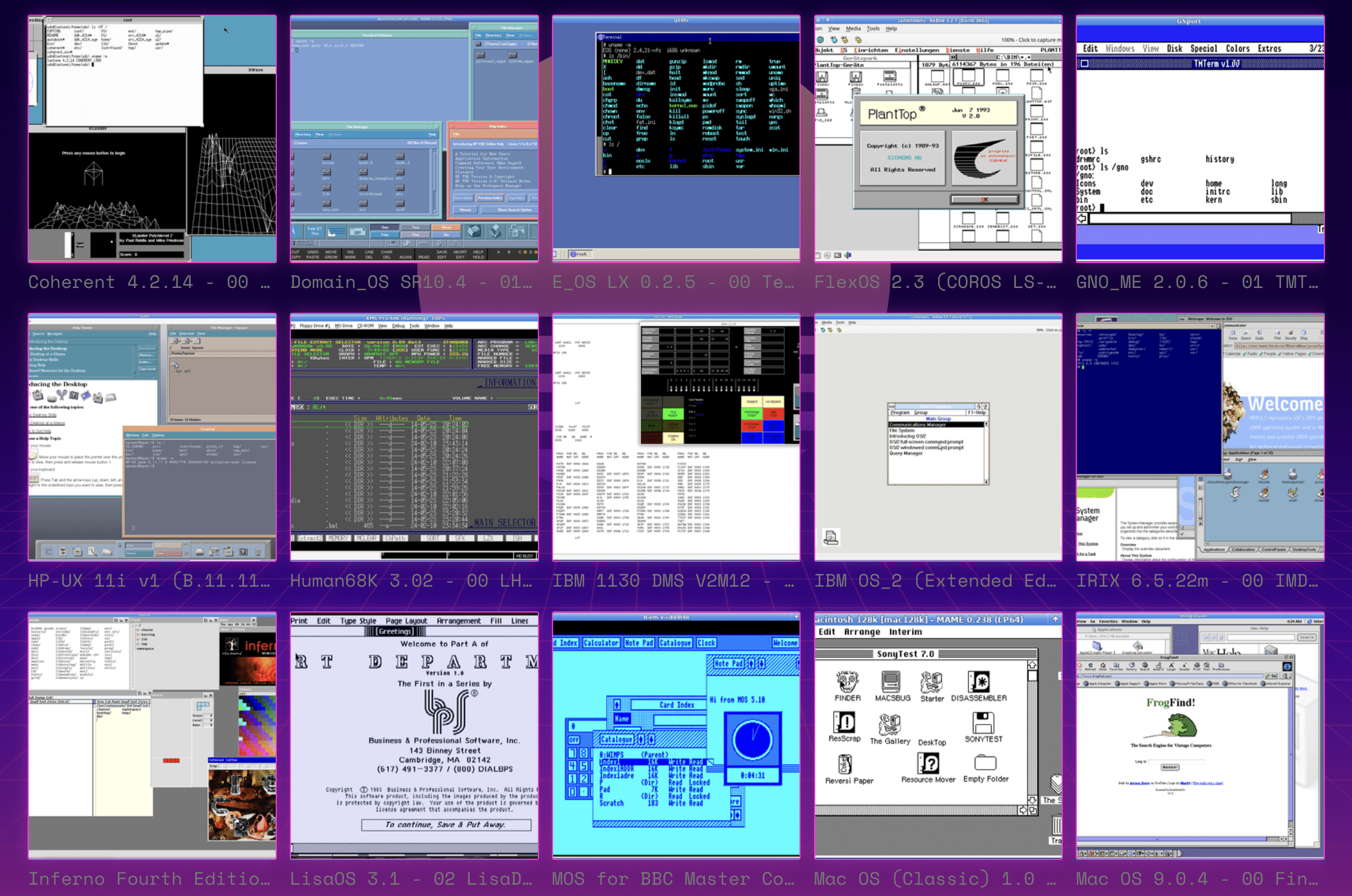
The Virtual OS Museum, a project by Andrew Warkentin, offers over 600 operating systems across 250 platforms, downloadable via emulation. Launched in 2003, it spans from 1948’s Manchester Baby to early Android builds, with a 127GB full download or a 14GB lite version.
The Vision Behind the Virtual OS Museum
Andrew Warkentin, a developer and OS historian, has spent over two decades curating a collection of 1,700 installations across 600 operating systems. His work, spanning from the 1948 Manchester Baby—the first stored-program computer—to early Android versions from 2011, aims to preserve computing history. The museum includes obscure OSes like MOS for the Acorn BBC Master and hobby systems such as NitrOS-9, which modernized 1980s Tandy machines. “Bootable in principle if you assemble the right toolchain on a Tuesday,” Warkentin noted in a 2024 interview, highlighting the project’s technical ambition.
Technical Innovations and Accessibility
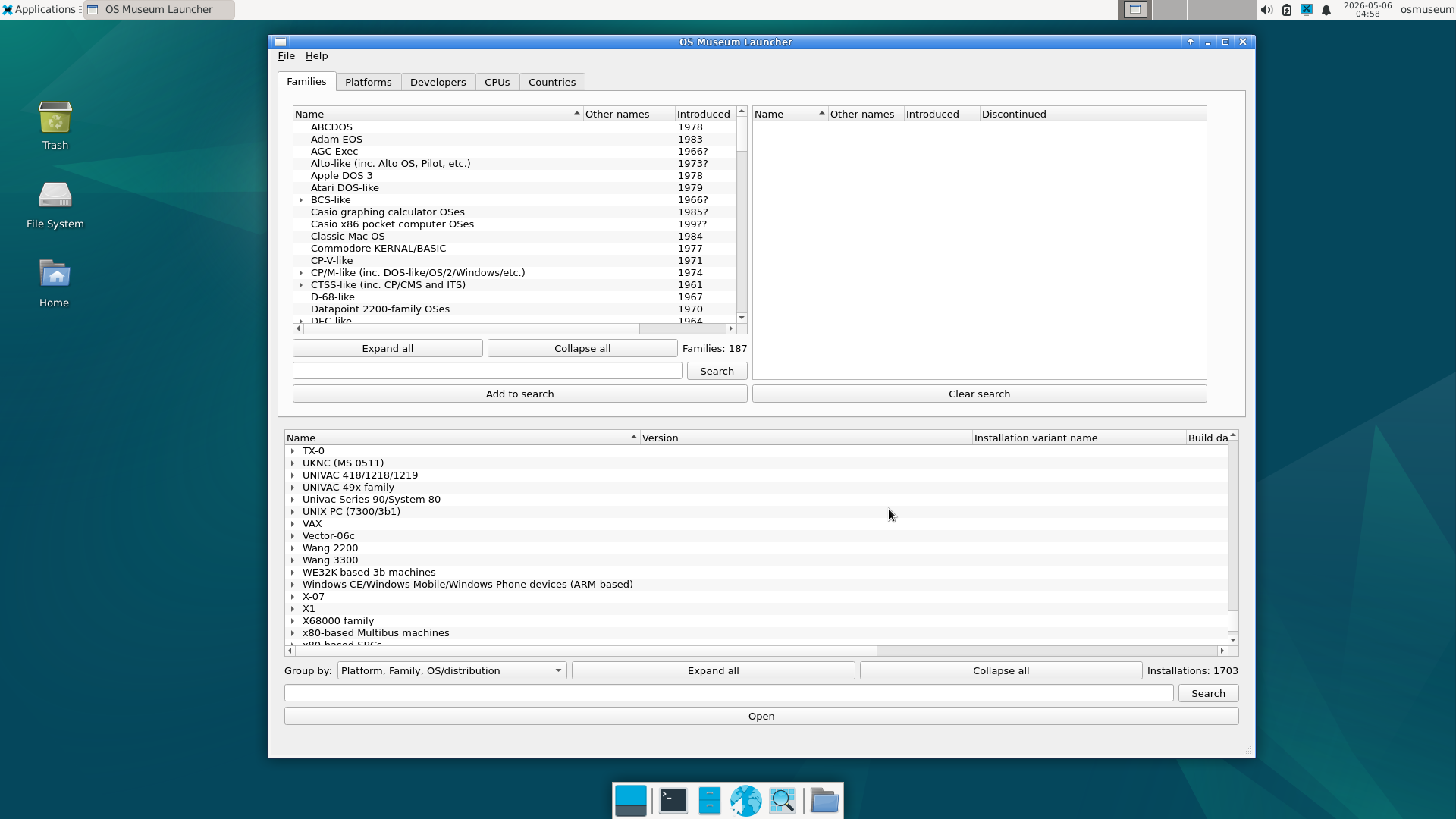
The museum operates as a Linux VM using QEMU, VirtualBox, or UTM, with a custom launcher pre-installing all OSes and emulators. Users can revert to stable states via snapshots, a feature critical for preserving fragile historical software. The full version downloads all images at once (127GB), while the lite edition fetches them on demand (14GB). According to the museum’s website, “automatic and manual updates are supported on both editions,” ensuring users access the latest installations without re-downloading the entire VM.
The Scope of Historical Computing
The collection covers a vast spectrum of computing eras. Mainframes like CTSS and Multics sit alongside workstations such as SunOS and IRIX. Home computers range from CP/M variants to the ZX Spectrum, while personal OSes include DOS, BeOS, and early Windows versions. Mobile systems like PalmOS and early Android builds are also present. The museum emphasizes accessibility, noting that “just about every well-known OS and platform… is included in some form,” from the “earliest resident monitors” to “modern Unix variants.”
What Comes Next
Warkentin’s goal is to include “any working version of an operating system” in a form accessible to “a reasonably modern laptop/desktop.” The project reflects broader trends in software preservation, where emulators and cloud-based archives increasingly democratize access to historical technology. As one enthusiast noted, “This isn’t just nostalgia—it’s a bridge to understanding how we got here.” With ongoing updates and a growing community of users, the Virtual OS Museum stands as both a technical marvel and a cultural archive.
“Bootable in principle if you assemble the right toolchain on a Tuesday.
