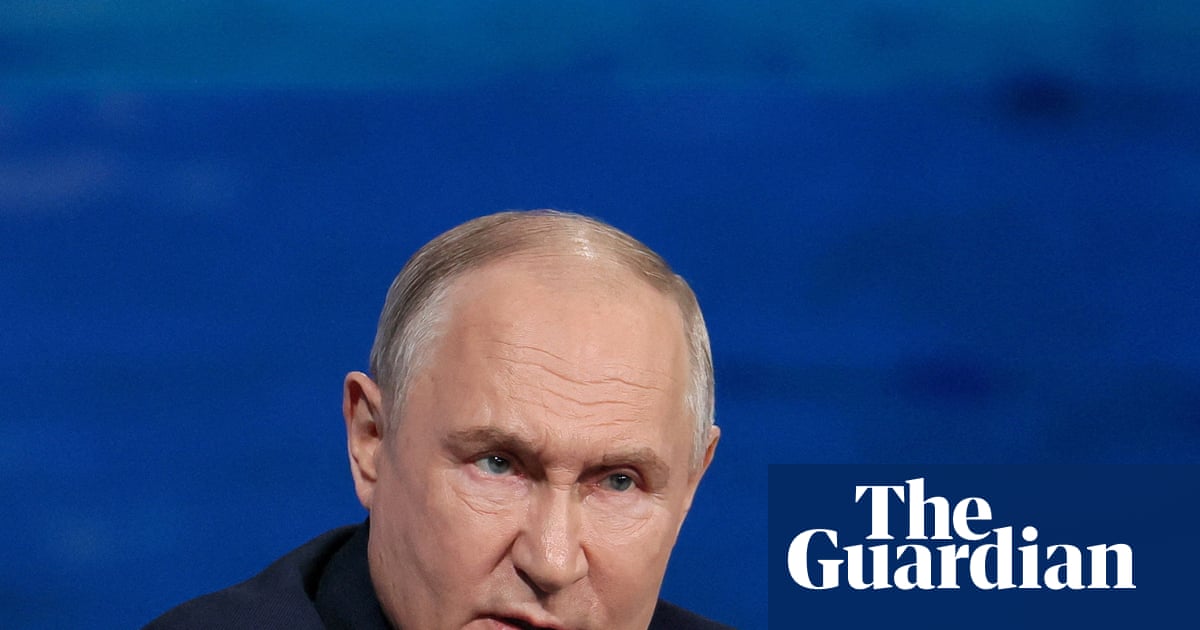
Ukraine launched hundreds of drones into Russian airspace early Saturday, June 7, 2026, striking St. Petersburg and at least 16 regions in a coordinated assault that killed one civilian and injured others. The strikes—coming hours after President Vladimir Putin rejected Ukrainian President Volodymyr Zelenskyy’s proposal for a meeting—marked the second such attack on St. Petersburg in less than a week, with Ukraine targeting a naval base and oil infrastructure. Russian air defenses intercepted most of the drones, but the attacks reignited tensions as both sides escalate a war now in its third year.
Why St. Petersburg? Ukraine’s Targeting of Russia’s Economic Hub
The choice of St. Petersburg as a primary target is no accident. Once dubbed “Russia’s Davos,” the city has long been a symbol of Moscow’s economic ambitions, hosting the annual Saint Petersburg International Economic Forum, where Putin and other Kremlin officials court foreign investors. By striking the city during the forum’s final day—when officials were gathered to discuss trade and infrastructure—Ukraine sent a deliberate message: no corner of Russia is safe from Kyiv’s reach.
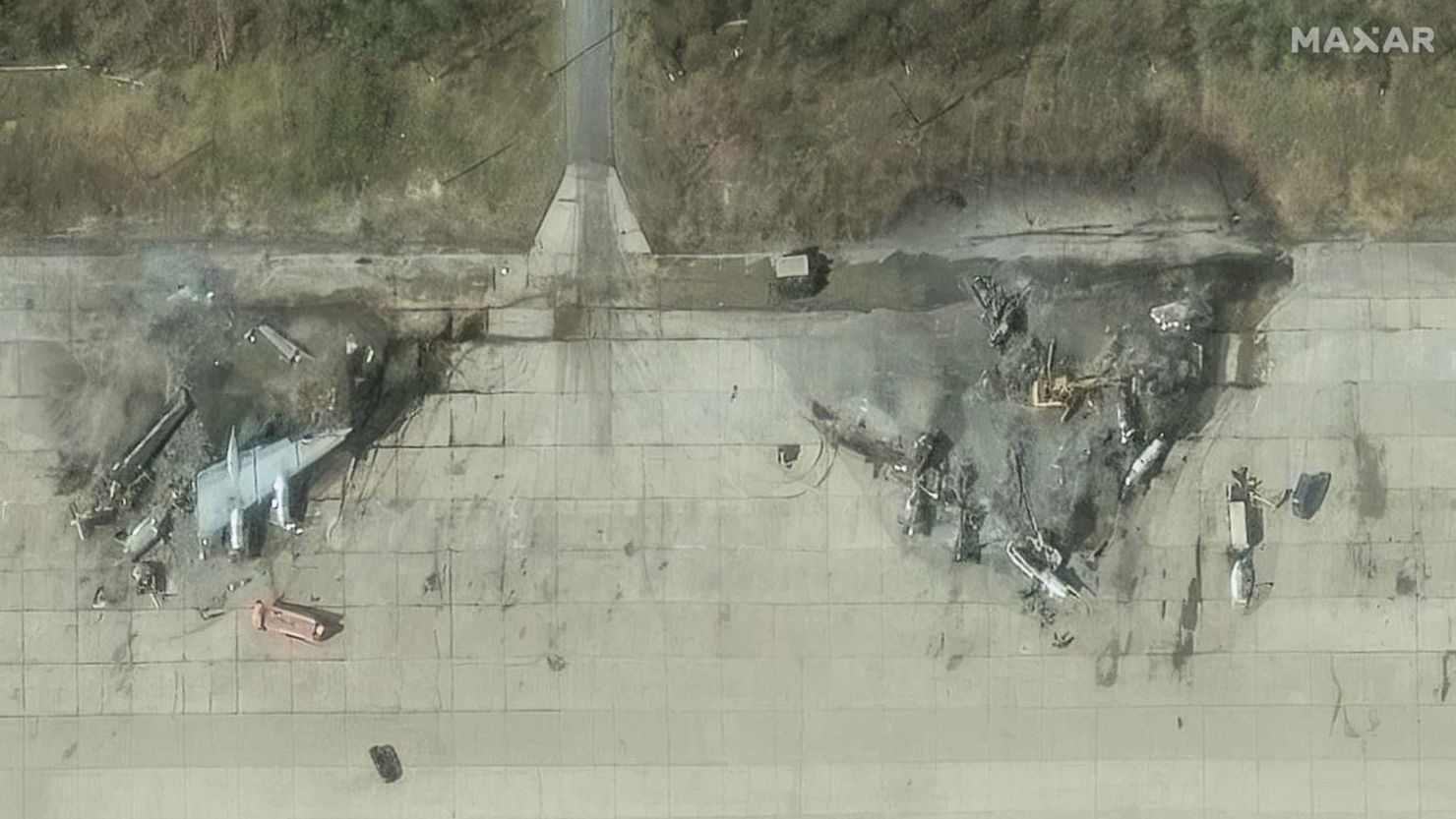
Ukraine’s SBU security services confirmed strikes on the Kronstadt naval base, a strategic island fortress in the Gulf of Finland, and the Russian Navy’s 15th Arsenal in the Leningrad region. The Defense Ministry reported that Russian air defenses shot down over 376 drones across 18 regions, including Crimea, Abkhazia, and the Azov and Black Seas. Yet the damage was limited: one civilian death in the Tver region and minor injuries elsewhere, with no critical infrastructure reportedly destroyed.
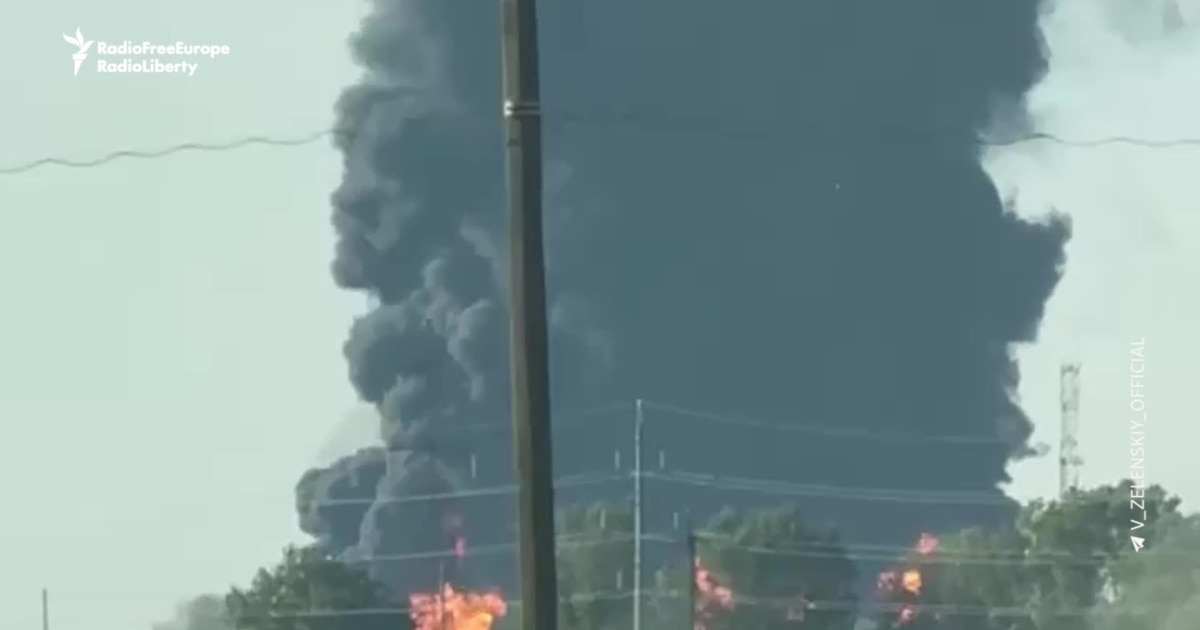
For Ukraine, the operation was both retaliatory and strategic. Zelenskyy framed it as a “just response” to Russian aggression, particularly after Putin’s refusal to meet—a snub that Zelenskyy called “choosing war again.” The strikes also targeted oil infrastructure, including a fire at an oil depot in Ust-Labinsk, part of Ukraine’s broader campaign to disrupt Russia’s energy exports. With gasoline shortages reported across Russian regions, Kyiv is betting that economic pain will force Moscow to the negotiating table.
The Forum Under Fire: Putin’s Economic Diplomacy vs. Ukrainian Drones
The timing of the drone strikes—during the economic forum’s closing day—was a calculated insult. Just 24 hours earlier, Ukrainian drones had hit an oil complex and military base in St. Petersburg, sending black smoke over the city and disrupting proceedings. This week’s assaults, while more widespread, followed the same playbook: disrupt Putin’s attempts to project stability while isolating Ukraine.
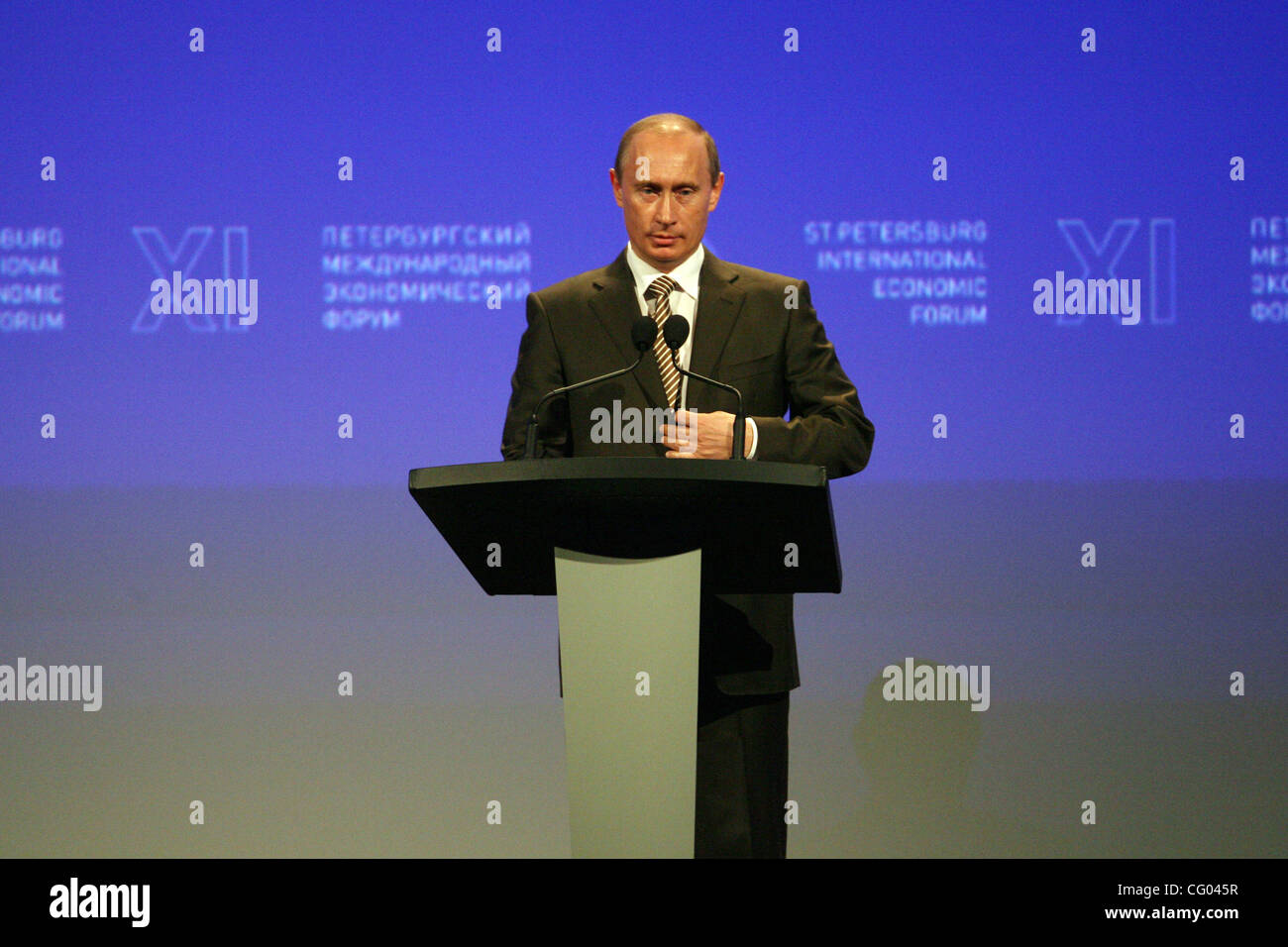
Russian officials responded with a mix of defiance and damage control. St. Petersburg governor Alexander Beglov ordered residents to stay indoors during the attack, a rare precaution that underscored the threat. The Kremlin, however, played down the strikes, emphasizing that air defenses had “prevented any damage.” Yet the forum’s atmosphere was undeniably strained. Foreign investors, already wary of doing business with a sanctioned regime, now face the reality that even high-profile events are not immune to Ukrainian strikes.
Zelenskyy’s Telegram post captured the dual nature of the operation: “It is time to end this war. But Russia’s ruler wants to keep fighting. That is why Ukrainian sanctions against this aggression are working.” The message was clear: Kyiv is not backing down, and Putin’s refusal to engage diplomatically only emboldens further strikes.
For more on this story, see Putin’s ‘Davos’ Under Fire as Ukrainian Drones Strike St. Petersburg Oil Terminal.
“It is time to end this war. But Russia’s ruler wants to keep fighting. That is why Ukrainian sanctions against this aggression are working.”
Russia Strikes Back: Civilian Casualties and the Human Cost of Escalation
While Ukraine’s drone campaign dominated headlines, Russia responded with its own wave of attacks. Over 300 Russian drones and missiles struck Ukrainian targets early Saturday, killing at least nine civilians and wounding dozens more. The worst-hit area was Kherson, where six deaths and over two dozen injuries were reported—a grim reminder that both sides are escalating despite international calls for de-escalation.
Ukraine’s deputy prime minister, Oleksiy Kuleba, detailed one particularly brazen Russian attack: strikes on two civilian search-and-rescue vessels operating in the Ukrainian sea corridor, a humanitarian route to Romanian ports. “The enemy launched strikes on two boats… carrying out a humanitarian mission,” Kuleba wrote on Telegram. “Unfortunately, there are injured. Evacuation by boats of the Ukrainian navy is currently under way.” The incident underscores how far the war has devolved, with even neutral maritime operations now in the crosshairs.
Russian forces also targeted central Ukraine, killing one person in the Dnipropetrovsk region and wounding a 10-year-old boy and his father in Zaporizhzhia. The attacks, while not as devastating as previous waves, signaled Moscow’s willingness to maintain pressure even as Kyiv ramps up its drone offensives. The question now is whether Putin will respond in kind—or if Zelenskyy’s strategy of targeting economic assets will force a shift in Kremlin strategy.
What Happens Next? Three Scenarios for the War’s Trajectory
The drone strikes and Putin’s refusal to meet Zelenskyy suggest a war that is far from over.
- Economic Pressure: Ukraine’s focus on oil infrastructure and energy exports is designed to squeeze Russia’s economy. If shortages worsen—especially ahead of winter—Moscow may face domestic unrest, potentially forcing a reassessment of the war’s costs.
- Diplomatic Deadlock: Putin’s rejection of talks sets the stage for further escalation. Without a breakthrough, both sides risk deeper entrenchment, with Ukraine relying on drones and Russia on artillery and missile strikes.
- Western Support: Kyiv’s ability to sustain its drone campaign depends on continued Western aid. If Congress or European parliaments cut funding, Ukraine’s offensive capacity could falter, shifting the balance in Moscow’s favor.
One thing is certain: neither side is willing to blink. Zelenskyy’s vow that “any manifestation of injustice against Ukraine will receive a just response” leaves little room for compromise. Meanwhile, Putin’s economic forum—now a target rather than a showcase—symbolizes the war’s broader stakes. The question is whether the next chapter will be fought on the battlefield or at the negotiating table.
This follows our earlier report, Ukrainian drones strike St. Petersburg’s airport, oil terminal ahead of ‘Russian Davos.
The Bigger Picture: How This Week’s Attacks Fit the War’s Evolution
This week’s drone strikes are part of a broader Ukrainian strategy to disrupt Russian logistics and morale. Since early 2026, Kyiv has ramped up attacks on energy infrastructure, supply depots, and military installations, aiming to degrade Russia’s war machine without committing ground troops. The results have been mixed: while some strikes cause significant damage, Russian air defenses—bolstered by Iranian drones and Chinese technology—have grown more effective at intercepting incoming attacks.
Yet the psychological impact may be just as important. By hitting St. Petersburg—a city synonymous with Russian prestige—Ukraine is sending a message that no part of the country is off-limits. For Putin, this is a double bind: escalate further and risk deeper isolation, or retreat and admit defeat. The economic forum, once a symbol of Russia’s resilience, now serves as a reminder of how vulnerable the regime truly is.
As the war enters its third year, the calculus for both sides is clearer than ever. For Ukraine, the drones are a weapon of attrition, wearing down Russia’s resources one strike at a time. For Russia, the challenge is sustaining a war that shows no signs of ending—and where every new offensive risks drawing Kyiv even deeper into the conflict.
The next move belongs to Putin. Will he double down on military pressure, or will the economic and diplomatic costs finally force him to the table? One thing is sure: the drones are coming, and St. Petersburg is just the beginning.
