
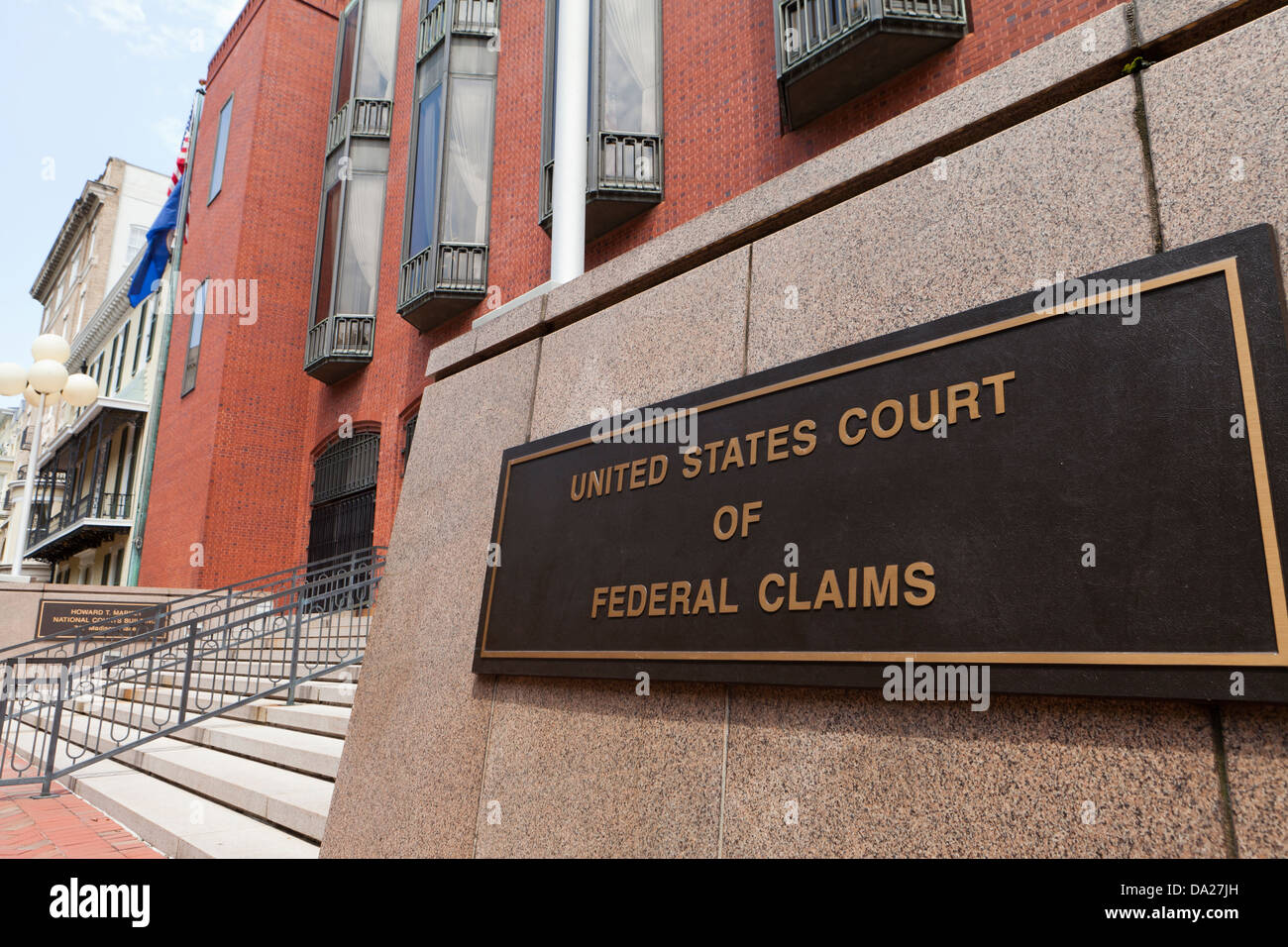
The Washington National Opera filed a lawsuit in the U.S. Court of Federal Claims on Thursday, seeking to recover more than $17 million in donor funds currently held by the Kennedy Center. The legal action follows the opera company’s January decision to terminate its 15-year performance relationship with the arts institution.
Legal Dispute Over Donor Endowment Funds
At the center of the litigation is a significant endowment established over decades to support the Washington National Opera (WNO). According to The Daily Beast, the WNO alleges the Kennedy Center has refused to return these assets following the dissolution of their partnership. The opera company asserts that these contributions were specifically earmarked by donors for WNO’s artistic mission, education programs, and community outreach.
The WNO maintains that the two organizations have always functioned as distinct legal entities. Consequently, the opera company argues that the Kennedy Center lacks the authority to retain funds that were intended for the opera’s independent operations. “WNO has a fiduciary responsibility to its donors to ensure their contributions are honored and used as intended to support the work of WNO’s artists and its programs,” the organization stated, as reported by WTOP.
In the non-profit and arts sector, donor-restricted funds are governed by strict legal standards. Organizations are generally required to adhere to the “intent of the donor,” meaning that assets bequeathed or donated for a specific purpose—such as the WNO’s opera productions—cannot legally be repurposed for the general operating expenses of a parent institution or a separate entity once the affiliation has ended. The WNO’s filing in the U.S. Court of Federal Claims suggests the opera intends to rely on these established principles of fiduciary law to reclaim what it views as restricted assets.
Kennedy Center’s Financial Defense and Countersuit Plans
The Kennedy Center has categorically denied the allegations, characterizing the lawsuit as meritless. Roma Daravi, the Kennedy Center’s vice president of public relations, stated that the long-standing contract with the WNO created a persistent financial burden for the institution.
The institution cited an analysis by the accounting firm BDO, which calculated that the WNO accumulated a $72 million deficit to the Kennedy Center between 2011 and 2026. The Center further alleged that the WNO failed to engage in good-faith negotiations regarding these financial strains and criticized the leadership of former artistic director Francesca Zambello for allegedly undermining coordination between the two groups. As a result, the Kennedy Center intends to file a countersuit against the opera company.
For more on this story, see FAA Manages National Airspace Challenges and Modernization Efforts in 2026.
The mention of a $72 million deficit highlights the complexity of the Kennedy Center’s business model. As a quasi-governmental institution, the Center manages a diverse portfolio of resident companies, including the National Symphony Orchestra and the Washington National Opera. These entities often share administrative infrastructure, box office systems, and marketing departments. When a long-standing partnership dissolves, the unbundling of these shared services often leads to protracted disputes over how indirect costs, overhead, and historical deficits are allocated between the parties.
Broader Context of Institutional Upheaval
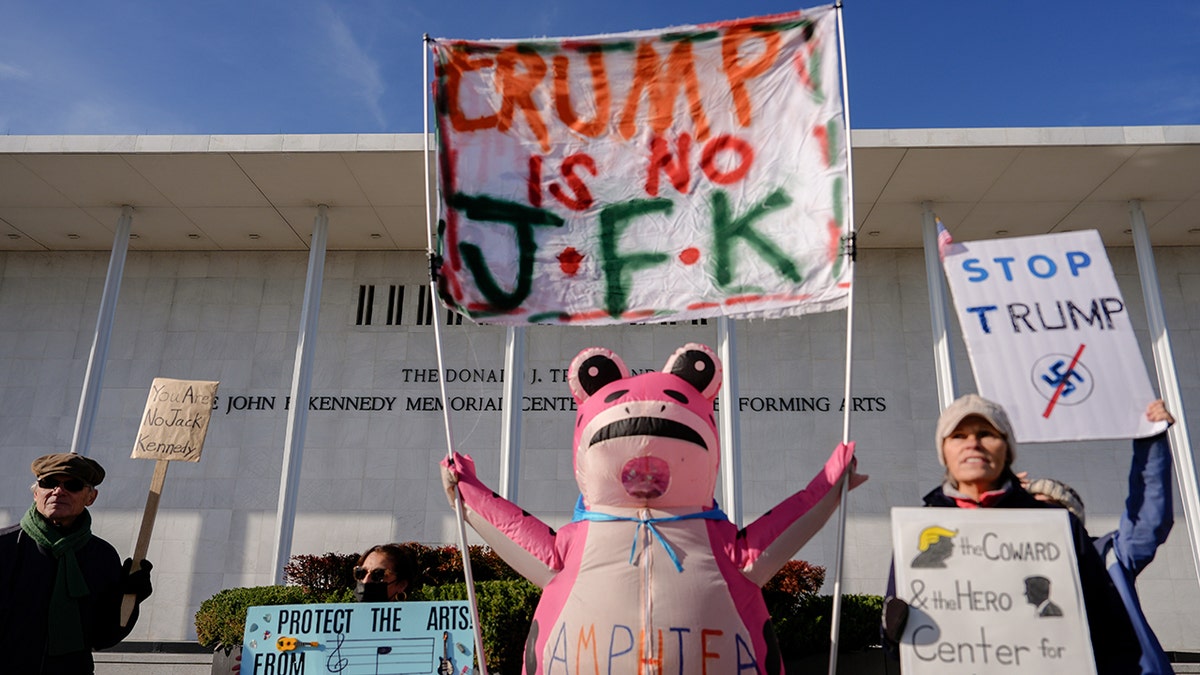
This lawsuit emerges amid a period of intense scrutiny regarding the Kennedy Center’s administration since President Donald Trump assumed oversight in February 2025. The transition has been marked by significant internal and external friction, including the appointment of Ric Grenell to oversee the venue and subsequent criticism of the Center’s programming.

Legal challenges have plagued the administration’s efforts to reshape the institution. In June 2026, U.S. District Judge Christopher Cooper ruled that the administration lacked the authority to rename the venue after the president, noting that such changes require Congressional action. Judge Cooper also blocked proposed closures for major renovations, describing the administration’s plans as “ill-informed and seemingly preordained.”
“The funds held by the Kennedy Center represent years of gifts and contributions made by loyal WNO donors who specifically directed their support to benefit WNO and its mission.”
Washington National Opera, via The Daily Beast
While the Kennedy Center’s board has sought to appeal Judge Cooper’s ruling to preserve the president’s name on signage, the WNO’s lawsuit adds a new layer of financial complexity to the ongoing dispute. The opera company claims it exhausted private efforts to resolve the funding issue, including requests for formal mediation, before escalating the matter to federal court. The outcome of this case could set a precedent for how resident arts companies and their hosting institutions settle financial separations, particularly when donor-restricted endowments are involved.
Find more reporting in our Entertainment section.
