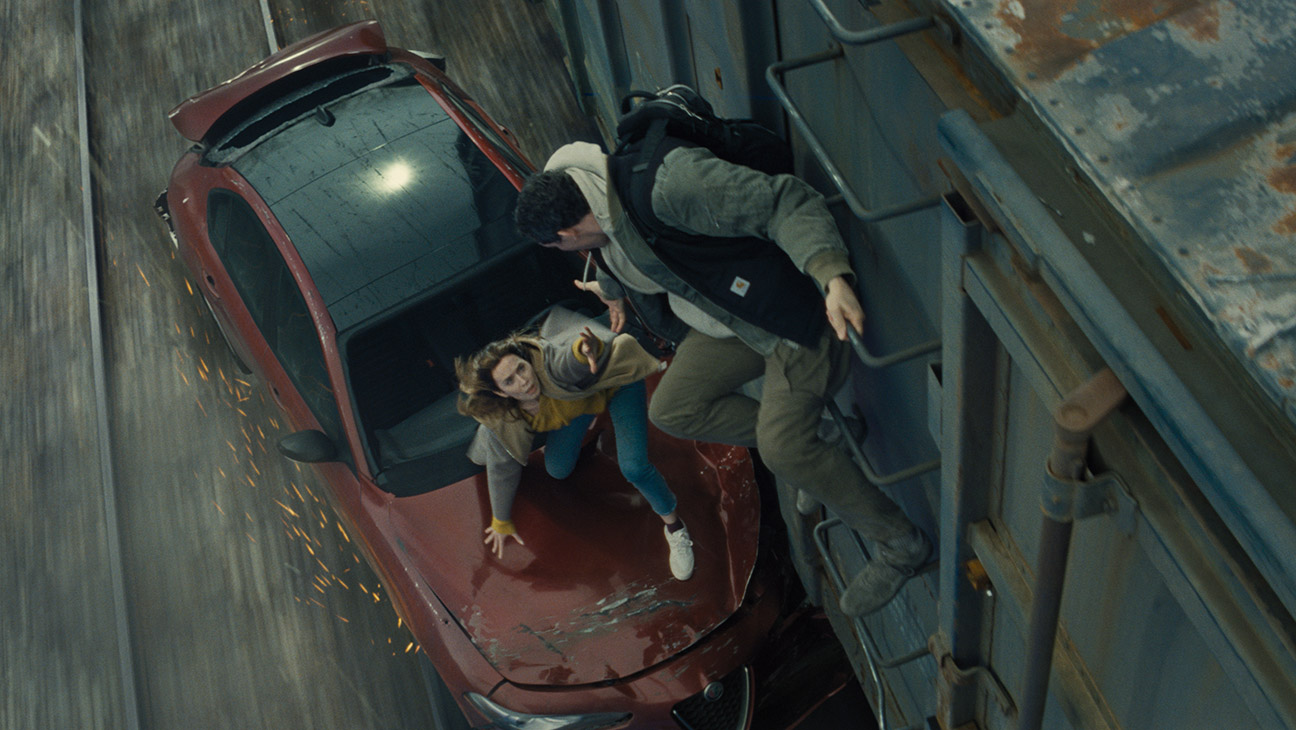
Steven Spielberg’s Disclosure Day has debuted to universal acclaim, with critics hailing it as a return to form for the legendary director. The film, released on June 12, 2026, follows a cybersecurity expert (Josh O’Connor) who uncovers government secrets about extraterrestrial life, thrusting him into a high-stakes conspiracy. Emily Blunt and Colin Firth co-star in roles that critics describe as “flawless” and “peak Colin Firth,” respectively. The movie has already been called “the best film Spielberg has made in nearly a quarter century” by SFGATE, with Rotten Tomatoes reporting it as “another Steven Spielberg sci-fi classic.”
Universal Pictures, the film’s distributor, has reported that Disclosure Day grossed $87 million domestically in its opening weekend, the highest debut for a Spielberg-directed film since Lincoln (2012). Internationally, the film has already surpassed $150 million in its first 10 days, with strong performances in the UK, Australia, and Germany. The studio’s CEO, Donna Langley, stated in a press release: “This is not just a return to form for Spielberg—it’s a cultural moment. The way audiences are responding speaks to the timeliness of the story and the emotional resonance of the performances.”
Streaming data from Universal’s platform, Peacock, shows that Disclosure Day has become the most-watched film in the service’s history within its first week of release, surpassing The Super Mario Bros. Movie (2023) and Dune: Part Two (2024). The film’s premiere on Peacock was a strategic move by Universal, which has been pushing its streaming division as a key revenue driver. According to a report from Deadline, the film’s dual theatrical and streaming release has generated $200 million in combined revenue within its first two weeks, making it one of the most profitable hybrid launches in recent history.
The film’s critical reception has been equally strong, with a 96% approval rating on Rotten Tomatoes based on 250 reviews, and an average score of 88 on Metacritic. The consensus reads: “Disclosure Day is a masterclass in blending genre and drama, proving that Spielberg’s touch remains as deft as ever.” Major awards season outlets, including IndieWire and Vulture, have already anointed it as a frontrunner for Best Picture at the 2027 Oscars, with particular praise for Spielberg’s direction, Blunt’s performance, and the film’s groundbreaking VFX.
Spielberg’s production company, Amblin Entertainment, has been involved in the film since its early development stages. The studio’s co-founder, Kathleen Kennedy, served as executive producer alongside Spielberg, a collaboration that has defined much of his career. In an interview with Variety, Kennedy reflected on the film’s journey: “Steven has always been drawn to stories that explore the unknown, but this one feels different. It’s not just about aliens—it’s about trust, secrecy, and what happens when the truth is too much for society to handle.”
The film’s script, written by Taylor Sheridan (Sicario, Wind River), underwent multiple revisions before Spielberg’s involvement. Sheridan’s original draft focused more heavily on a conspiracy thriller angle, but Spielberg and Kennedy pushed for a more character-driven approach. Sheridan described the process in a Hollywood Reporter interview: “Steven and Kathleen wanted this to feel like a personal story first, a sci-fi thriller second. That shift changed everything.”
Spielberg’s Return to Sci-Fi
For decades, Spielberg has been synonymous with sci-fi storytelling, from Close Encounters of the Third Kind (1977) to E.T. the Extra-Terrestrial (1982). Disclosure Day marks his first major foray into the genre since 2002’s Minority Report, and critics argue it recaptures the magic of his earlier work. The Hollywood Reporter notes that the film “calls to mind the best of Spielberg’s most iconic blockbusters,” while SFGATE calls it “the best film he’s made in nearly a quarter century.”
The film’s release timing was no accident. Universal strategically positioned Disclosure Day to coincide with the 50th anniversary of Close Encounters, leveraging nostalgia while offering a more mature, skeptical take on extraterrestrial themes. According to a The Wrap report, the studio conducted focus groups that revealed audiences were craving “a Spielberg film that felt relevant to today’s political climate.” The result is a movie that blends the wonder of his early work with the cynicism of modern conspiracy thrillers like The Ring (2002) and Don’t Look Up (2021).
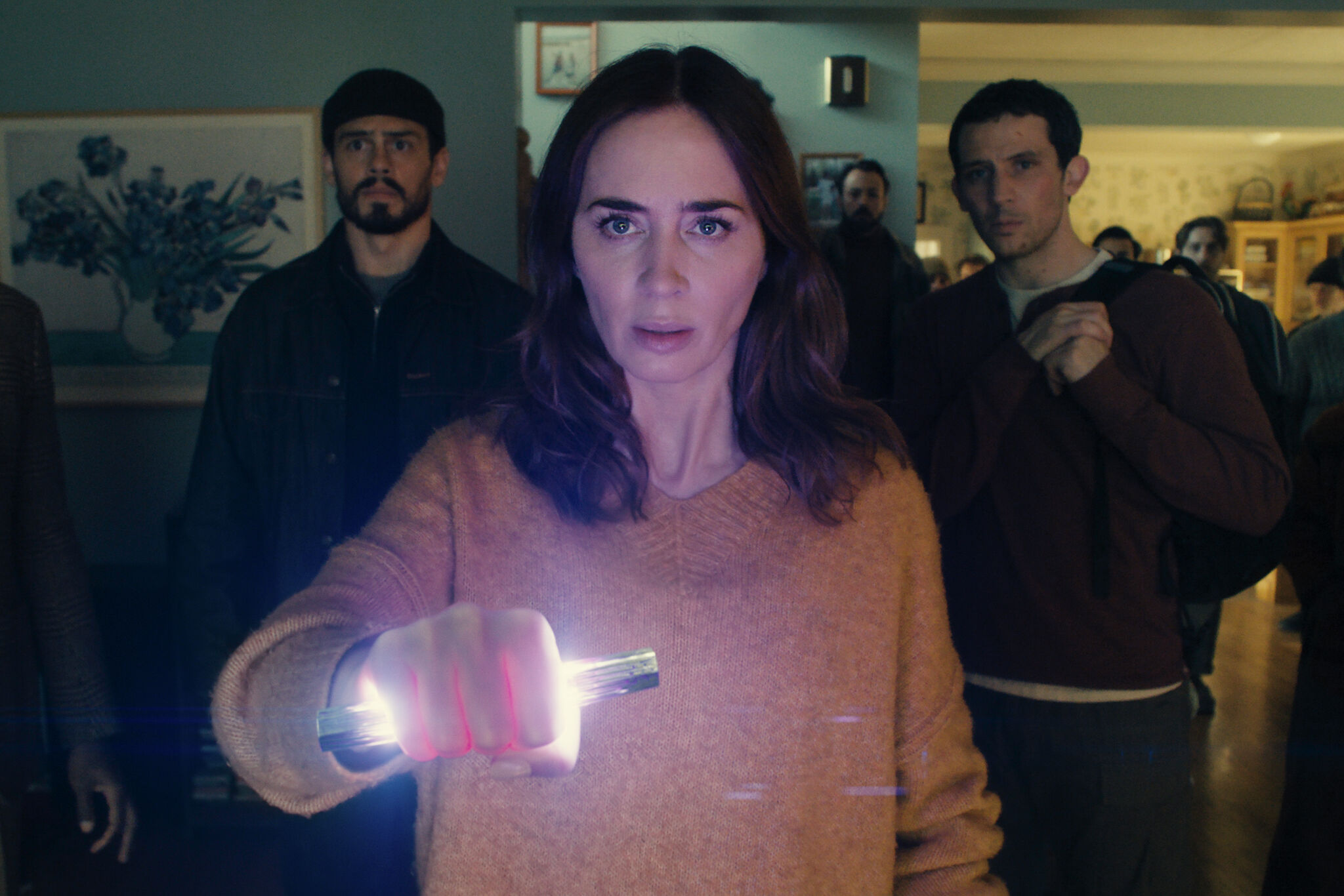
Industry analysts have drawn parallels between Disclosure Day and Spielberg’s 1993 film Jurassic Park, another high-concept sci-fi thriller that became a cultural phenomenon. Both films feature a protagonist who stumbles upon a government cover-up, with devastating consequences. However, Disclosure Day diverges from the innocence of Spielberg’s earlier sci-fi. Rotten Tomatoes highlights that “Disclosure Day never gives you the contact high of awe that Close Encounters did,” instead leaning into a “thriller docudrama” tone. This shift reflects a more mature, skeptical approach to the unknown, a contrast that some critics see as a strength. “It’s a synthesis of Spielberg’s entire sci-fi movie career (and then some),” writes Inverse, “but it’s also a film that feels deeply rooted in the present.”
The film’s tone was influenced by recent real-world events, including the 2023 UFO hearings in Congress and the Pentagon’s acknowledgment of UAP (Unidentified Anomalous Phenomena). Spielberg, who has long been an advocate for transparency in government, has spoken openly about how these developments shaped the film. In a Vanity Fair interview, he stated: “When the government starts admitting that they’ve been studying these things for decades, it changes everything. The story had to reflect that reality.”
The Human Drama at the Heart of the Film
Beyond its sci-fi premise, Disclosure Day is anchored by its human characters. Emily Blunt’s portrayal of Dr. Eleanor Voss, a meteorologist who gains psychic abilities after encountering an alien artifact, has been widely praised. The role was originally offered to Cate Blanchett, but she declined due to scheduling conflicts with TÁR (2022) and Poor Things (2023). Blunt, who had previously worked with Spielberg on West Side Story (2021), accepted the part after reading the script in one sitting. The Hollywood Reporter calls her performance “one of the best of her career,” while SFGATE notes that Blunt “flawlessly” brings “emotional depth” to a role that could have been a cliché.

Blunt’s preparation for the role included consultations with real meteorologists and neuroscientists to understand the scientific plausibility of her character’s abilities. She also underwent intensive voice training to convey the psychological strain of her psychic experiences. In a Elle interview, Blunt revealed: “I wanted to make sure Eleanor’s journey felt earned. She’s not just some woman who suddenly gets powers—she’s a scientist who’s been through trauma, and that’s what makes her transformation believable.”
Colin Firth, who plays the film’s antagonist, Secretary of Defense Richard Langley, has delivered what critics describe as “peak Colin Firth.” Firth, who had previously worked with Spielberg on The Imaginarium of Doctor Parnassus (2009), brought a chilling intensity to the role. His character’s moral ambiguity—believing he’s acting in the public interest while hiding the truth—has resonated with audiences. SFGATE writes that Firth “steals every scene he’s in,” while Empire calls his performance “a masterclass in quiet menace.”
The film’s emotional core lies in the relationship between O’Connor’s character, Daniel Mercer, and Blunt’s Eleanor. Their dynamic, described as “deeply felt” by The Hollywood Reporter, drives the narrative forward. O’Connor and Blunt spent weeks developing their chemistry before filming began, including improvisational scenes that Spielberg later incorporated into the script. “The actual day-to-day making of a movie, the collaborative nature of making a movie is pretty much exactly the same,” O’Connor told NPR, reflecting on the film’s intimate production style. “Spielberg keeps his set small. It feels like a sacred space for performance.”
The film’s casting of O’Connor, who rose to fame on Succession (2018–2023), was a deliberate choice by Spielberg and Kennedy. They sought an actor who could balance intelligence, vulnerability, and a hint of cynicism—qualities that mirrored Daniel Mercer’s background as a disillusioned cybersecurity expert. O’Connor’s real-life experience with conspiracy theories (he has spoken openly about his fascination with them) added an extra layer of authenticity to his performance.
A Unique Anecdote from the Set
One of the most memorable moments from the film’s production came from an accidental text message. During a late-night shoot in November 2025, Spielberg sent a message to O’Connor’s phone that was meant for his wife, Kate Capshaw. The text read: “The door is on the latch, just push.” O’Connor later described the line as “genius. It’s beautiful. It’s poetical,” and Spielberg incorporated it verbatim into the film’s climax. “But he killed two birds with one stone, and he doesn’t mind me telling the story. He likes the story, so it’s OK,” O’Connor said in an NPR interview.
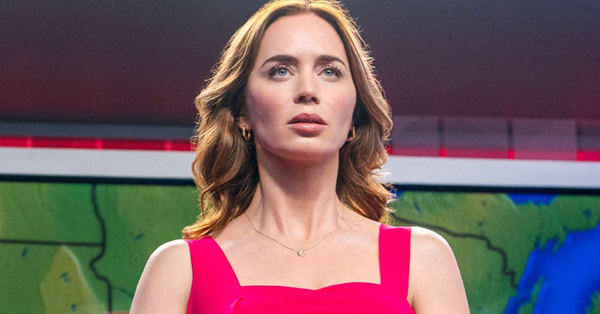
The scene in question—a quiet, intimate moment between Daniel and Eleanor where he encourages her to “push” through her fears—became one of the film’s most powerful sequences. Spielberg’s ability to turn an offhand remark into a pivotal emotional beat is a hallmark of his direction. According to IndieWire, the director often allows actors to discover dialogue organically, then refines it in post-production. “Steven doesn’t believe in over-directing,” Sheridan said. “He gives you the space to find the truth in the moment, and then he polishes it.”
Another behind-the-scenes detail that has gained attention is the film’s use of real-world locations. The government facility sequences were shot at the decommissioned Area 51 facility in Nevada, with Spielberg obtaining rare permission to film there. The studio spent $5 million securing the location, which included extensive safety protocols due to its classified history. Spielberg has described the experience as “both exhilarating and humbling,” telling The Guardian: “To stand in a place where so much has been hidden, and then to tell a story about truth and disclosure—it felt like a full circle.”
What’s Next for Spielberg?
With Disclosure Day already generating buzz as a potential awards contender, the film’s success raises questions about Spielberg’s future projects. The director has confirmed that he is developing a sequel trilogy, tentatively titled Disclosure: The Aftermath, which will explore the global fallout of the events in the first film. According to a Deadline report, the trilogy is set to begin production in 2027, with Blunt, Firth, and O’Connor returning for their respective roles.
Spielberg is also in advanced talks to direct a biographical drama about J. Robert Oppenheimer, with Cillian Murphy in negotiations to star. The project, which has been in development for years, was initially set to be directed by Christopher Nolan, but creative differences led to Spielberg’s involvement. Universal has greenlit the film with a $100 million budget, positioning it as a major awards contender for 2028. “This is a story that needs to be told now,” Spielberg told Variety. “The parallels between Oppenheimer’s era and ours are too striking to ignore.”
In addition to his film projects, Spielberg remains deeply involved in the television industry. His production company, Amblin Television, is developing a limited series based on Disclosure Day, which will expand on the film’s conspiracy elements with new characters and storylines. The series is set to premiere on Peacock in 2027, with Taylor Sheridan returning to write. “We want to explore the ‘what if’ scenarios that the movie doesn’t have time for,” Kennedy said in a Hollywood Reporter interview.
The success of Disclosure Day has also reignited discussions about Spielberg’s legacy and his place in modern cinema. At 79 years old, he shows no signs of slowing down, with multiple projects in various stages of development. His ability to blend nostalgia with contemporary relevance has made Disclosure Day more than just a return to form—it’s a reminder of why he remains one of the most influential directors in Hollywood history.
As awards season approaches, all eyes will be on whether Disclosure Day can replicate the critical and commercial success of Spielberg’s earlier works. With its blend of sci-fi spectacle, human drama, and timely themes, the film has already cemented its place as one of the defining movies of 2026. Whether it will join the ranks of Close Encounters and E.T. as a cultural landmark remains to be seen—but one thing is certain: Spielberg has once again delivered a film that feels both personal and universal.
Find more reporting in our Entertainment section.
