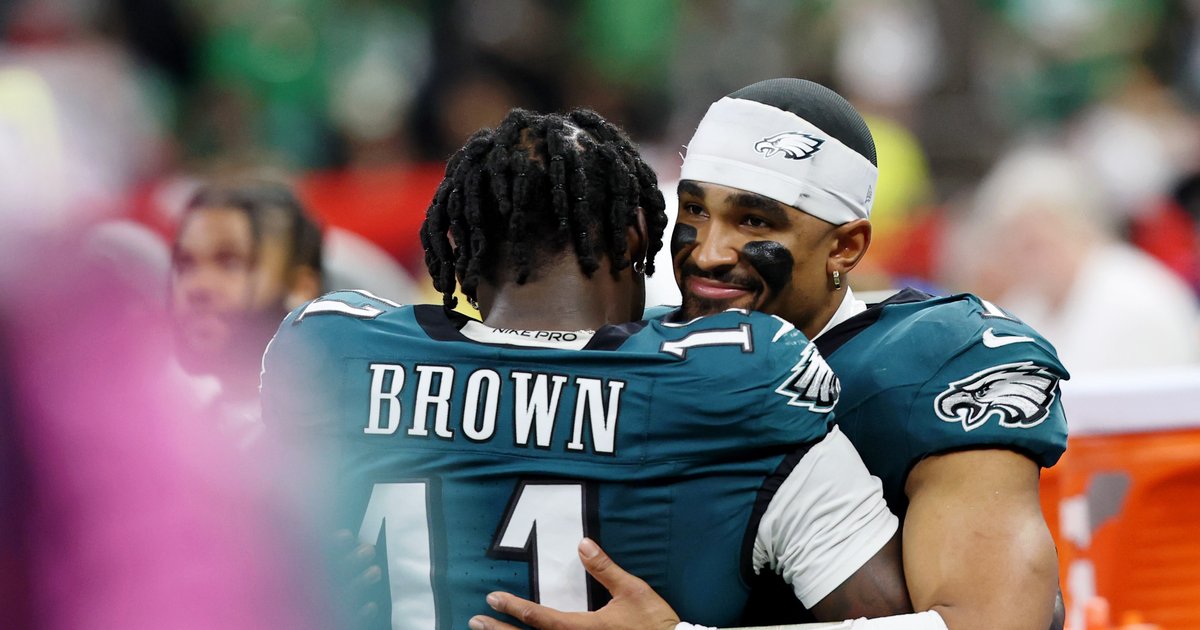
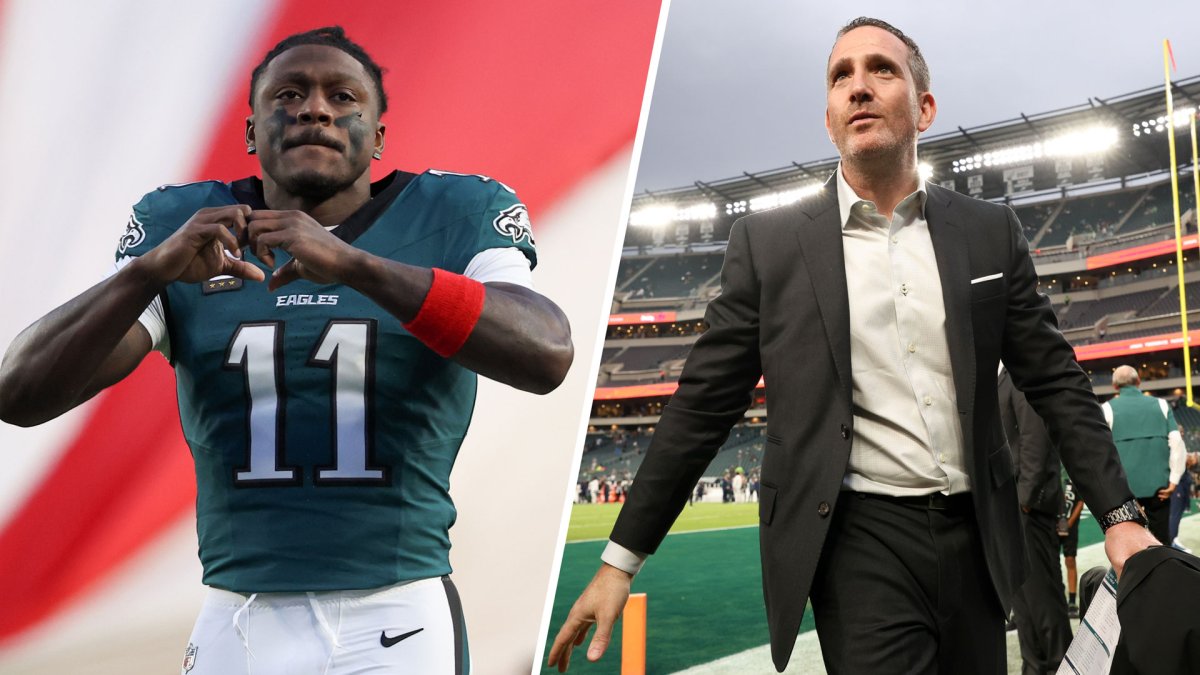
The Philadelphia Eagles traded star wide receiver A.J. Brown to the New England Patriots on June 1, 2026, in a deal that included a 2028 first-round pick and a 2027 fifth-rounder—marking the end of a four-year tenure where Brown became one of the NFL’s most feared YAC (yards after catch) receivers. General manager Howie Roseman framed the move as a “win-win” for both sides, citing Brown’s expressed desire for a fresh start and the Eagles’ need for cap flexibility to extend younger players. The trade also reshapes the AFC East, pitting Brown against Bills quarterback Josh Allen’s new target, DJ Moore, in a divisional rivalry with major draft-pick implications.
Why the Eagles traded Brown: A.J.’s request and the cap math
Brown’s departure wasn’t sudden—it was the culmination of months of private conversations between the player and Eagles management. According to Roseman’s post-trade press conference, Brown had made it clear “for his family” that he wanted a change at this stage of his career. The 28-year-old had delivered a breakout 2025 season (5.0 receptions/game, 76.5 yards/game, 19.3% missed-tackle rate), but his frustration during the regular season—including public comments about the team’s direction—left little doubt about his mindset.

The Eagles, meanwhile, were facing a cap crunch. With multiple young stars (like Jalen Hurts and Lane Johnson) due for extensions, Roseman needed flexibility. Trading Brown cleared $20 million in cap space while securing a 2028 first-round pick (valued at No. 48) and a 2027 fifth-rounder, per the Jimmy Johnson draft chart. As Roseman put it: “We wouldn’t have done this trade if there wasn’t a first-round pick-plus included.” The deal also eliminated Brown’s $22 million salary in 2026, giving Philadelphia breathing room to retool its roster.
What’s striking is how openly Roseman acknowledged Brown’s role in the decision. In past trades (e.g., DeSean Jackson in 2019), Eagles GMs have been tight-lipped about player requests. This time, Roseman confirmed Brown had initiated the conversation: “He just felt for his family that this stage of his career, it was something that he was desiring.” The phrasing—”this stage of his career”—suggests Brown saw the trade as a chance to reset before potential decline, not a reaction to poor treatment.
“I think that when we looked at the totality of the circumstances and having the conversations we had with him, it felt like where we were, where we were going, where he was, that if we could find something that achieved our goals of getting a first-round pick going forward here in the near future, getting the money back to spend on other players on our team and other teams, and it was a win-win situation based on where he was and how he felt, we were open to that.”
Howie Roseman, Philadelphia Eagles
The Patriots’ gain: A.J. Brown vs. Drake Maye
The trade instantly turns the Patriots into contenders for the most electric quarterback-receiver duo in the NFL. With third-year quarterback Drake Maye (23) already flashing MVP potential, Brown’s arrival creates a matchup nightmare for defenses. The New York Times framed it as “entertainment within the entertainment”—a nod to how Brown’s physicality (49.1% contested-catch win rate) and Maye’s arm talent could dominate games.

For more on this story, see A.J. Brown traded to Patriots: Eagles exploit June 1 cap rule to avoid $8M dead money hit.
Brown’s fit in New England isn’t just about stats. The Patriots’ 2025 receiving corps was solid but unremarkable (Stefon Diggs: 85 catches, 1,103 yards). Brown’s arrival elevates them to a tier where they can compete for the AFC East title—especially with Maye’s development curve. The divisional rivalry with the Bills (who traded for DJ Moore in March) adds spice: Brown now faces Allen in a battle of two elite YAC receivers. Moore’s 4.9 receptions/game and 66.1 yards/game are close to Brown’s numbers, but the Patriots’ trade cost (a 2028 first-rounder) is richer than the Bills’ deal (a 2027 second-rounder), per Buffalo Rumblings’ comparison.
For Brown, the move is a calculated risk. At 29, he’s entering the prime-to-decline phase of his career. The Patriots’ schedule (2026 includes the Bills, Jets, and Dolphins) is manageable, but his knees—already a concern—will be scrutinized. If he stays healthy, he could be a difference-maker for New England’s playoff push. If not, the Patriots get a high-upside draft pick in 2028.
What’s next for the Eagles: Cap relief and draft strategy
The Eagles’ cap situation improves dramatically. By trading Brown, Philadelphia clears $20 million in 2026 cap space while avoiding dead-money penalties (Brown’s $22M salary was fully guaranteed). Roseman emphasized sustainability: “We’re going to continue to build the team… get younger, but at the same time, keep a lot of our players.” The focus now shifts to extending Hurts (due in 2027) and Lane Johnson (2026), with the 2028 first-rounder as leverage.
- Will the Eagles pursue another high-end receiver? With Brown gone, Philadelphia’s depth at the position is thin. Targets like DeVonta Smith (if he hits free agency) or a draft pick could be in play.
- How does this affect the AFC East? The division now has two elite QBs (Maye, Allen) and two elite WRs (Brown, Moore). The Patriots’ schedule favors them, but the Bills’ home-field advantage in Foxborough could offset that.
- What’s the long-term impact on Brown’s legacy? His time in Philadelphia was defined by dominance (four straight 1,000-yard seasons), but his exit—while amicable—could tarnish his image with Eagles fans.
The bigger picture: Draft-pick inflation and veteran trades
Brown’s trade highlights a trend: teams are increasingly using future draft capital to acquire veterans. The Buffalo Rumblings breakdown shows how the Patriots’ deal (2028 first + 2027 fifth) outvalues the Bills’ Moore acquisition (2027 second). This reflects the NFL’s shift toward long-term asset trades over short-term cash infusions.
This follows our earlier report, A.J. Brown Social Media Silence Fuels Buffalo Bills Trade Speculation.
For the Eagles, the move is a gamble. Trading a proven star for a pick is risky—especially when that pick is three years away. But Roseman’s emphasis on “sustainability” suggests Philadelphia is prioritizing roster-building over short-term wins. If the 2028 pick pans out, this could be a masterstroke. If not, the Eagles may regret parting ways with one of the league’s most reliable receivers.
The trade also sets up an intriguing AFC East narrative. With Brown and Moore now divisional rivals, the stage is set for a high-stakes battle in 2026. The Patriots’ schedule (four division games) gives them an edge, but the Bills’ home-field advantage in Foxborough could neutralize that. One thing is certain: fans are in for a show.
What happens now?
- Brown’s health and fit in New England. His knees will be the focus as the Patriots prepare for training camp. If he’s sharp, the Patriots’ offense could take a major leap.
- The Eagles’ offseason moves. With cap space freed up, Roseman will likely target a replacement receiver—either in free agency or the draft.
- The AFC East’s realignment. The Patriots’ schedule favors them, but the Bills’ depth and Allen’s arm talent make this division a toss-up. The first-place team in December could be anyone.
The trade is more than a roster shuffle—it’s a statement. The Eagles are betting on the future, while the Patriots are loading up for a title run. For Brown, it’s a chance to rewrite his legacy. And for NFL fans? Buckle up. The next 12 months in the AFC East are going to be thrilling.
