As Russian President Vladimir Putin suggested on May 29 that the war in Ukraine may be "coming to an end," his public justifications for the conflict have grown increasingly strained, exposing a widening gap between Kremlin claims and reality. With battlefield advances failing to deliver decisive victories and Ukraine’s counterstrikes reaching deep into Russian territory, Putin’s long-standing narrative—of a contained "special military operation" that spared Russia’s heartland—has collapsed. Moscow’s air defenses, once touted as impenetrable, are now under sustained assault, forcing the Kremlin to admit its war aims are slipping beyond reach.
Putin’s Victory Day Speech Contradicts Russia’s Military Reality
Putin’s May 9 Victory Day speech, where he declared the war "coming to an end," was framed as a triumph based on "battlefield advances." Yet by late May, even his own rhetoric had shifted. In a May 29 statement, Putin acknowledged that his remarks were tied to Russia’s military progress—but provided no evidence that Ukraine’s resistance was near collapse. Instead, the war has settled into a brutal stalemate, with neither side able to force a decisive breakthrough.
The Kremlin’s strategy of attrition, once seen as sustainable, now faces mounting challenges. Russia’s military-industrial base is strained, its economy remains under sanctions, and public discontent has surged as the war’s human cost becomes harder to hide. According to The Atlantic, Putin’s efforts to shield Moscow from the war’s consequences—through controlled messaging and selective conscription—have failed. The capital’s recent drone and missile strikes, including a bold Ukrainian counterattack in late May, exposed the fragility of Russia’s air defenses, undermining the Kremlin’s claim that the conflict remained distant from Russia’s heartland.
"The narrative that Putin has constructed—about a mere ‘special military operation’ that need not trouble Russia’s elites or middle class—is now unraveling completely. Any pretense that Moscow itself can stay out of the war has vanished.
The war’s prolongation has also shifted the dynamic. While Russia may still believe it can outlast Ukraine, Western and Ukrainian officials warn that Moscow’s next-best option—a "forever war" of low-intensity conflict—could become its default. This scenario, outlined in a September 2025 analysis by the Center for Strategic and International Studies (CSIS), suggests Russia would prioritize preventing Ukraine’s NATO or EU integration over achieving total victory. Yet even this strategy risks backfiring: as Russian cities face repeated strikes, public frustration grows, and the Kremlin’s ability to control information weakens.
Russia’s Forced Annexations and Selective Mobilization Expose Strategic Failures
For years, Putin’s regime has sought to convince Russians that the invasion was a defensive measure against NATO expansion, not an imperialist campaign. But the war’s escalation—including Russia’s forced annexation of Ukrainian territories in 2022 and its partial mobilization—has eroded this fiction. By 2026, the human toll is undeniable: The Atlantic reports that over 1 million Russian soldiers have been killed or wounded, yet the government has avoided mobilizing reserves from Moscow or St. Petersburg, instead drawing recruits from Russia’s far-flung regions.
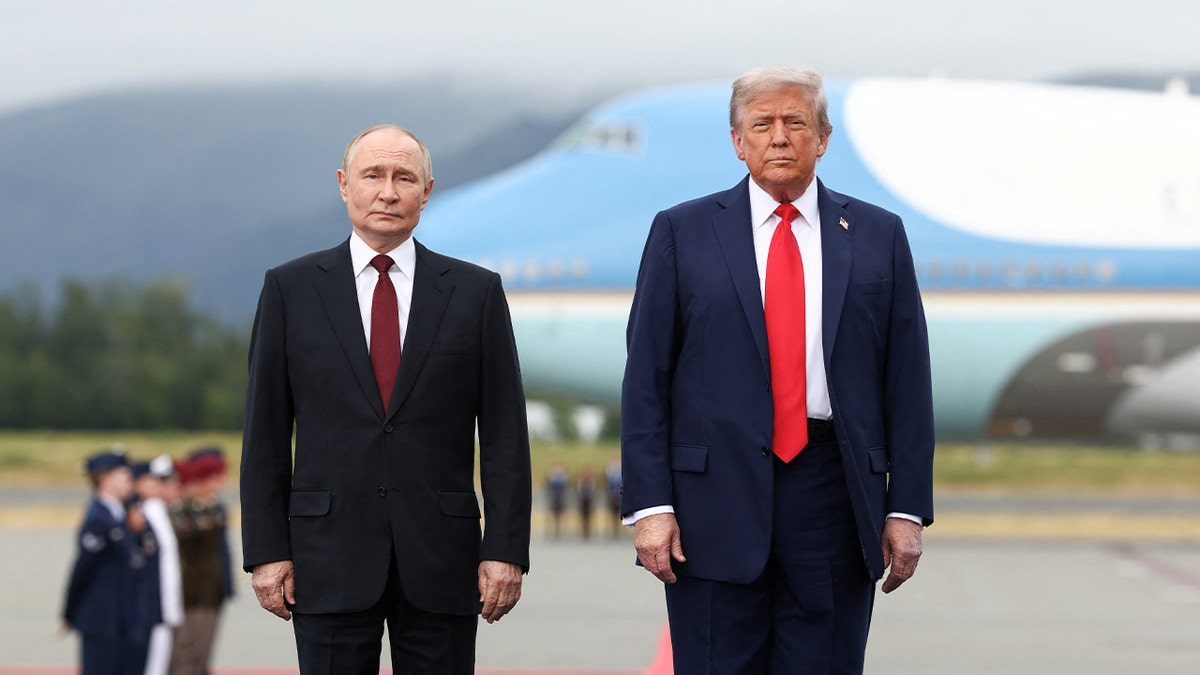
This selective approach has backfired. The May 9 Victory Day parade, traditionally a showcase of military might, was notably short on hardware—a direct result of Putin’s fear of Ukrainian drone strikes. A week later, Ukraine’s retaliatory barrage on Moscow demonstrated that Russia’s multi-layered air defenses were no longer effective. The message was clear: the war had come home.
The Kremlin’s response has been to double down on repression. As CNN reported in late April, rolling blackouts in Russian cities—justified as "anti-terror" measures—have sparked public outrage. Protests, though suppressed, signal a growing chasm between the regime and its citizens. Putin’s justification for the shutdowns, delivered at a government meeting in late May, was telling: "We must prevent terror attacks," he insisted, while acknowledging that the public needed better explanations. The admission, however brief, revealed a regime losing control of its own narrative.
Putin’s War-End Rhetoric Signals Desperation, Not Negotiation
Putin’s recent comments about the war "coming to an end" have sparked speculation about his motives. Is this a sign of desperation, or a calculated move to force Ukraine into negotiations on Russian terms?
Analysts suggest it is the former. With no clear path to victory, Russia’s war aims have shifted from territorial conquest to survival.
- A Russian breakthrough leading to Ukraine’s military collapse (unlikely, given Ukraine’s resilience).
- Prolonged low-intensity conflict (the most probable scenario).
- A ceasefire (stalled by Russian intransigence).
- A formal peace agreement (unlikely without significant concessions from Moscow).
Putin’s remarks align with the second scenario—a war of attrition where neither side can win decisively. Yet this strategy carries risks. As The Guardian noted in May, Putin’s sudden focus on the war’s end may be an attempt to manage domestic expectations rather than signal genuine progress. With Ukraine’s counteroffensives gaining momentum and Western support remaining firm, Russia’s negotiating position is weaker than ever.
The Kremlin’s refusal to engage directly with Ukrainian President Volodymyr Zelensky—outside of Moscow, at least—further isolates Putin. Diplomatic efforts, including a 2025 summit between U.S. President Donald Trump and Putin, have yielded no breakthroughs. Europe’s discussions about a future peacekeeping force, meanwhile, underscore the West’s unwillingness to accept Russia’s territorial demands.
Domestic Unrest and Economic Collapse Undermine Putin’s Rule
The war’s impact on Russia’s domestic stability is becoming harder to conceal. Economic sanctions, coupled with the strain of prolonged conflict, have pushed inflation and unemployment higher. The Kremlin’s attempt to blame Western sanctions for Russia’s woes has worn thin, especially as blackouts and supply shortages affect everyday citizens.
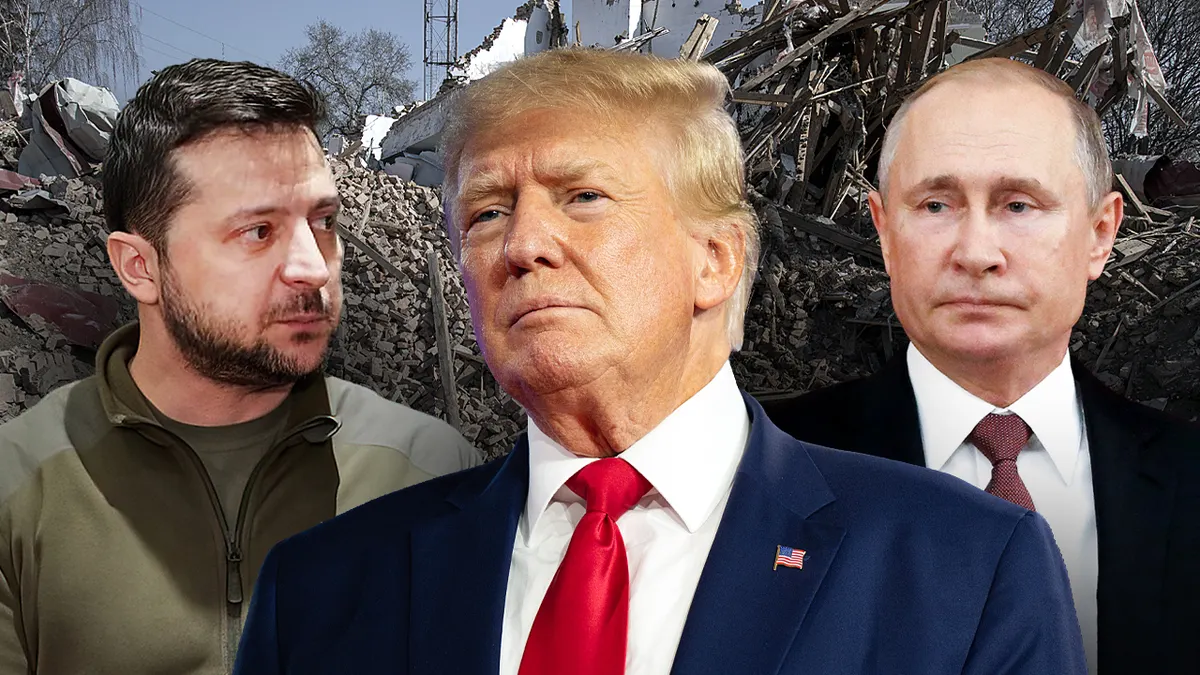
Public pushback is growing. AP News reported in late May that another wave of discontent was testing Putin’s rule, with citizens questioning the government’s handling of the war and economic hardships. The Kremlin’s response has been to tighten control: protests are met with arrests, dissent is labeled "treason," and state media amplifies narratives of Russian resilience.
Yet the cracks are showing. The May 29 drone strikes on Moscow, which followed a massive Russian attack on Kyiv, demonstrated that Ukraine’s long-range capabilities are no longer limited to the battlefield. For Putin, this is a double failure: his military’s inability to protect Russian cities and his regime’s inability to maintain the illusion of invincibility.
Putin’s options are narrowing. A full withdrawal from Ukraine is politically untenable, while continuing the war risks further erosion of Russia’s military and economic strength. The most plausible outcome remains a frozen conflict—one where Russia holds onto occupied territories but lacks the resources to expand further.
For Ukraine, the challenge is sustaining Western support while avoiding a prolonged stalemate. The U.S. and Europe must balance aid to Kyiv with pressure on Moscow to engage in meaningful negotiations. Yet with Putin’s regime increasingly isolated and his domestic position weakened, the prospects for a diplomatic solution remain slim.
One thing is certain: the war’s end, if it comes, will not be on Russia’s terms. The Kremlin’s narrative has unraveled, its military is stretched thin, and its people are no longer willing to accept the cost. For Putin, the question is no longer whether the war can be won—but how to exit it without losing everything.
