Companies across the tech sector are reassessing their AI investments as soaring costs outpace expected returns, with executives warning of an “unsustainable path” in the industry’s rapid adoption of artificial intelligence.
The Cost Crisis: When AI Outpaces ROI
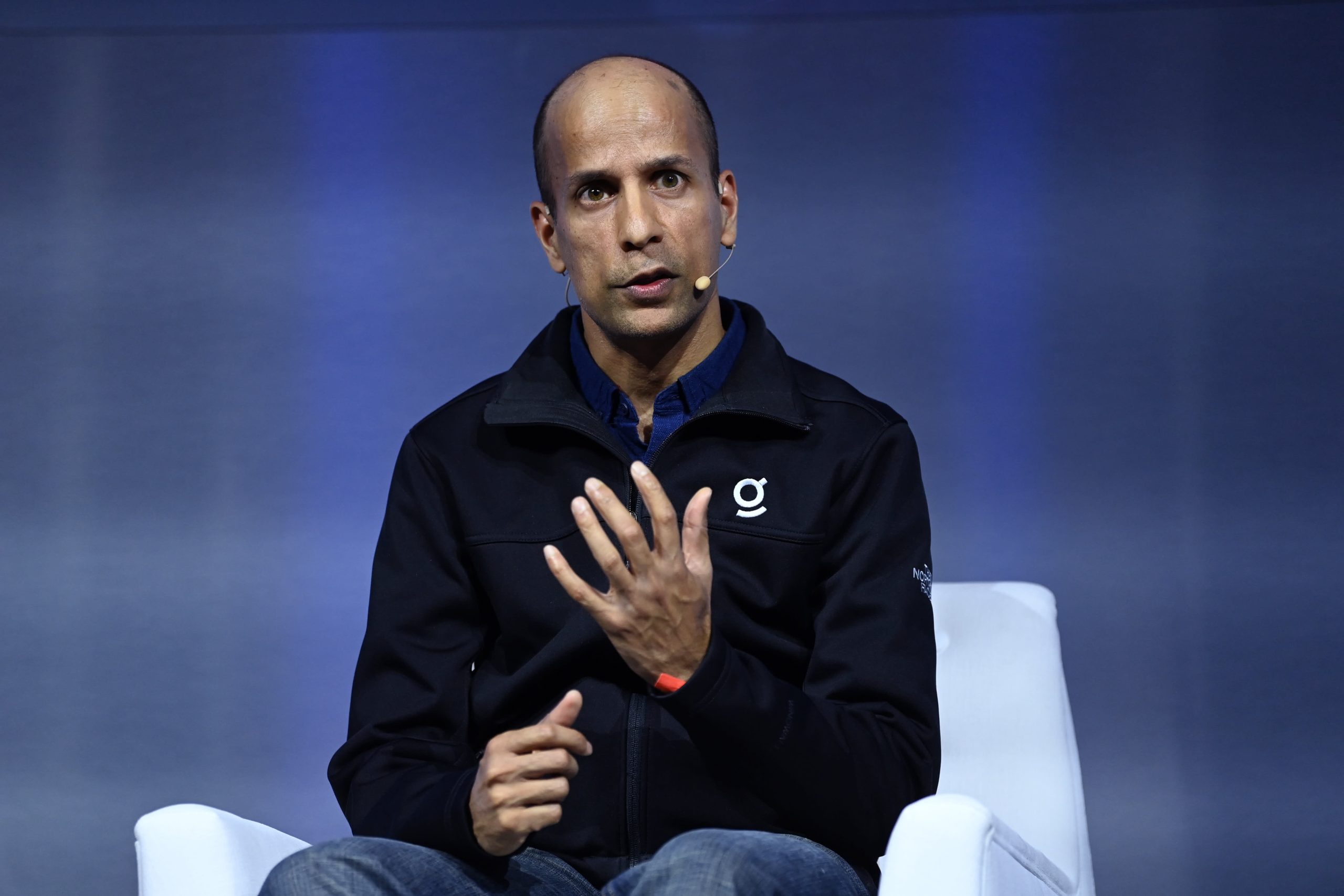
Artificial intelligence, once hailed as a cost-effective productivity booster, has become a financial strain for many enterprises. Arvind Jain, CEO of enterprise AI firm Glean, described the situation as “an unsustainable path right now,” noting that AI budgets at major U.S. companies are exhausting annual allocations within one to two months. “This is the first time ever that I can remember that technology costs the same as people,” he told CNBC, highlighting a stark shift in corporate decision-making. The problem stems from the rising cost of “tokens”—the unit of measurement for AI processing—combined with the inefficiency of current models. “The value that AI drives at this point is trailing the cost that businesses are incurring,” Jain added.

The financial pressure is compounded by the exponential growth in AI usage. Developers and companies have engaged in “tokenmaxxing,” overusing AI tools in pursuit of productivity gains that often fail to materialize. Mark Barton of tech consultancy Omniux observed that “the cost to use AI for things like coding has grown exponentially,” with some firms seeing token expenses surpass employee salaries within months. “In some cases people are seeing the cost of tokens exceed the cost of the employee within a month or two of use,” said analyst Jack Gold of J.Gold Associates.
Uber’s chief operating officer, Andrew Macdonald, echoed these concerns, stating that the company is struggling to justify AI spending. “It’s becoming harder to justify AI costs within the company,” he said, citing a “head-exploding moment” after an internal report revealed the firm had already spent its Claude Code budget for 2026. “The link is not there yet,” he admitted, noting that higher AI usage did not translate to proportional improvements in consumer features.
Corporate Reckonings: From Tokenmaxxing to Pragmatism
As the financial toll becomes clearer, companies are pivoting from aggressive AI adoption to more measured strategies. Meta, which once encouraged employees to maximize AI usage as a productivity metric, now warns against “using AI tools just for the sake of using them,” according to a memo from CTO Andrew Bosworth. Similarly, Uber has slowed hiring to offset AI investments, with CEO Dara Khosrowshahi acknowledging the need for fiscal restraint during an earnings call.
Some firms are turning to open-source alternatives to cut costs. Smaller, industry-specific AI models are gaining traction as companies seek to avoid the high price tags of general-purpose systems like ChatGPT or Anthropic’s Claude. “Free, open-source AI models… are good enough for many tasks,” reported Yahoo Finance, noting that this shift reflects a broader move toward “smarter spending.”
Matan Grinberg, CEO of Factory AI, described the current phase as a “defined resource allocation problem” for leadership teams. “Do we need to be using Opus-level intelligence for every single task?” he asked, arguing that many operations could rely on cheaper, more efficient models. This sentiment aligns with Glean’s findings that 95% of enterprise AI usage still relies on costly frontier models for tasks that could be handled by less expensive alternatives.
The Human vs. Machine Dilemma
The rising costs have forced executives to confront a fundamental question: Should companies prioritize AI or human labor? Jain emphasized that “the technology costs the same as people,” a shift that has upended historical cost structures. “We’ve never had that conversation historically, because tech is a fraction of the overall cost of any operating business,” he said. This dynamic is reshaping corporate strategies, with some firms reducing headcount to offset AI expenditures.
Uber’s experience underscores the tension. Macdonald acknowledged that AI’s “trade-off costs” are harder to justify without clear metrics linking usage to outcomes. “It felt like, rather than being held accountable for the actual outcome, we were trying to just push something that in some cases did not fit,” said Duolingo CEO Luis von Ahn, who scrapped AI usage from performance reviews after employee pushback.
The debate extends to the broader tech industry. While companies like Meta and Amazon continue to invest heavily in AI, others are reevaluating their approaches. “Nobody should be using AI tools just for the sake of using them,” Bosworth wrote, signaling a shift toward more strategic deployment. This caution comes as investors scrutinize the financial viability of AI-driven businesses, with OpenAI and Anthropic preparing for public listings that will test the sector’s long-term sustainability.
What’s Next: A New Era of AI Accountability
The current crisis is likely to reshape AI’s role in corporate strategy. As costs stabilize and models become more efficient, companies may adopt hybrid approaches that balance human and machine labor. However, the immediate future holds uncertainty. “The way AI works today, it’s very powerful, but it’s very inefficient,” Jain said, warning that the industry must address these inefficiencies to avoid further financial strain.
For now, the focus remains on cost control. Enterprises are prioritizing specialized models, rethinking performance metrics, and scaling back AI usage where returns are unclear. As Grinberg noted, “The third phase is leadership teams reassessing their needs when it comes to premium models.” Whether this marks a temporary correction or a permanent shift in AI adoption remains to be seen, but one thing is clear: the era of cheap, limitless AI is over.
As the sector navigates this reckoning, the coming months will determine whether AI remains a transformative force or becomes a cautionary tale of overreach. For now, companies are learning a hard lesson: the cheapest technology isn’t always the best investment.
