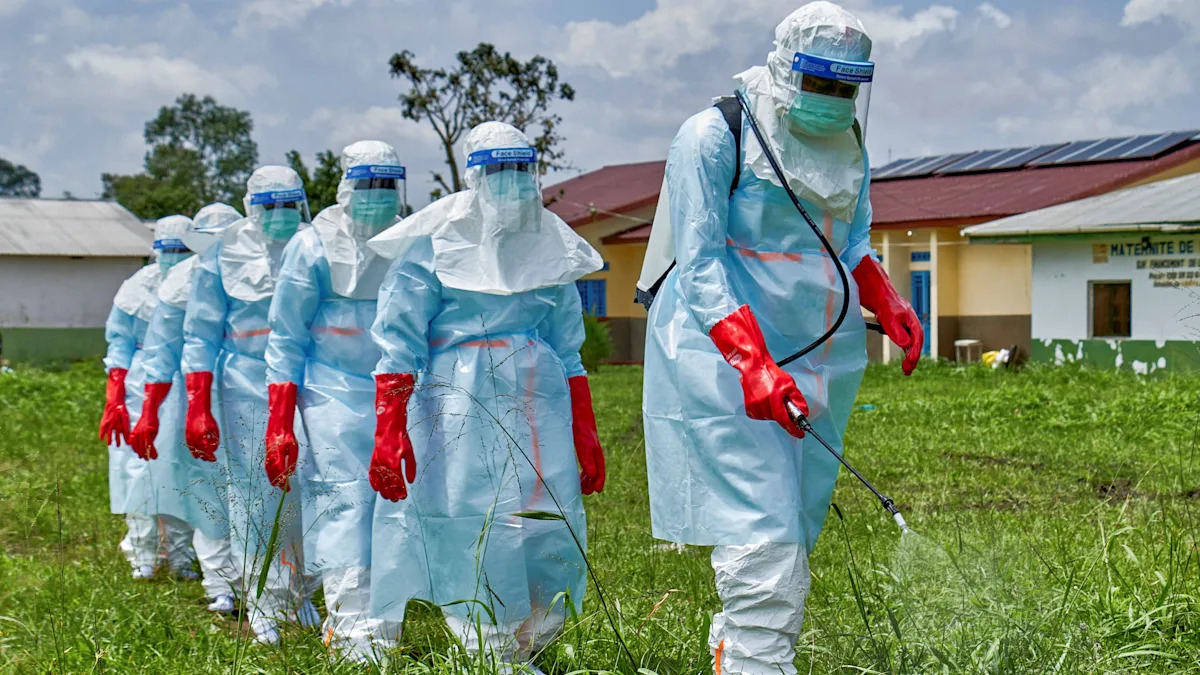
The World Health Organization declared a public health emergency of international concern on May 17, 2026, following a worsening Ebola outbreak in the Democratic Republic of Congo and Uganda. With 867 suspected cases and 204 deaths reported in Congo alone, global health officials are scrambling to contain the rare Bundibugyo virus species.
A Rapidly Expanding Health Crisis in Central Africa
Outbreak Spreads Across Congo Democratic Republic
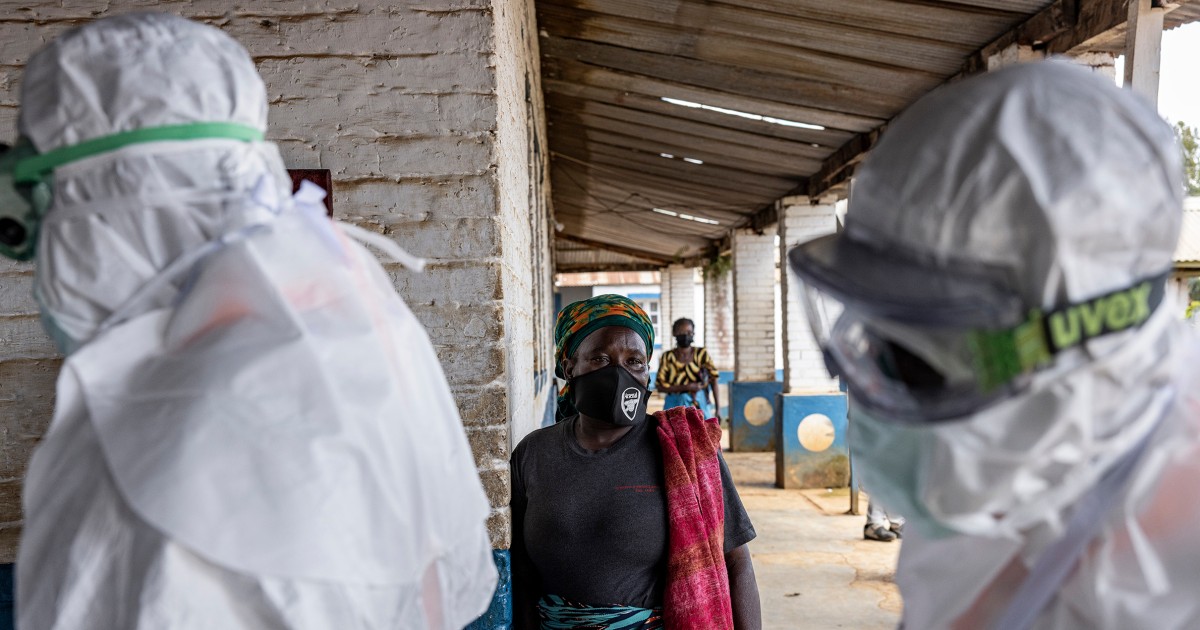
Health authorities are facing a complex containment challenge as the Ebola virus, first identified in the Democratic Republic of Congo (DRC) on May 15, continues to spread across international borders. The World Health Organization (WHO) recently elevated its risk assessment for the DRC to “very high,” noting that the virus may have been circulating undetected for weeks or even months before the initial diagnosis.
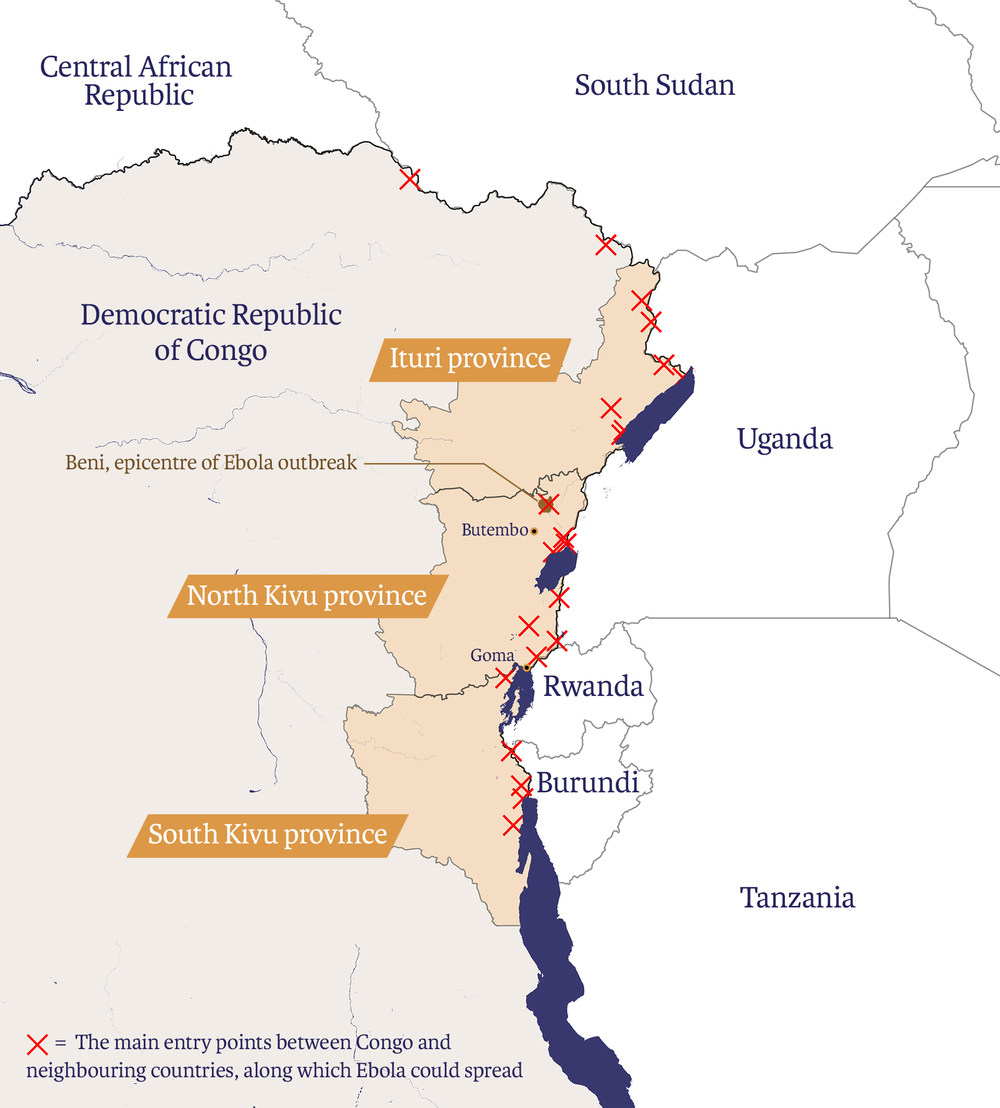
According to the latest figures from the Congolese government, there are 867 suspected cases and 204 deaths recorded as of Saturday. The outbreak has touched an area of Congo significantly larger than the state of Florida, complicating efforts to track contacts and manage isolation.
The situation has gained international urgency, with the Africa Centres for Disease Control and Prevention (Africa CDC) warning that 10 neighboring nations—Angola, Burundi, Central African Republic, the Republic of Congo, Ethiopia, Kenya, Rwanda, South Sudan, Tanzania, and Zambia—face potential exposure. To combat this, the Africa CDC and the World Health Organization are seeking more than $314 million in emergency funding to bolster response efforts.
The Spread into Uganda and Global Response
cluster (priority): NBC News
The outbreak’s reach has extended into Uganda, which has now confirmed five cases. These include a Ugandan driver, a health worker who provided care to the country’s index patient, and a Congolese woman who traveled through the region via chartered flight before seeking hospital care.
In response to the escalating threat, the United States has pledged $23 million to assist with the crisis in both the DRC and Uganda. Furthermore, the U.S. Centers for Disease Control and Prevention has implemented temporary travel restrictions, banning entry to the United States for non-American passport holders who have visited the DRC, South Sudan, or Uganda within the past three weeks.
The international medical community is also grappling with the toll on aid workers. An American doctor, Peter Stafford, tested positive for the virus while working in the DRC and has been transported to Germany. A missionary group supporting Stafford reported that he remains
“critically ill but not acutely deteriorating.”
Christian missionary group representative, via Yahoo News
The Challenges of the Bundibugyo Species
WHO declares Ebola outbreak a global health emergency
One of the primary obstacles in this outbreak is the specific strain of the virus involved. While Congo has experienced 17 official Ebola outbreaks since 1979, most were caused by the Zaire species, for which a vaccine exists. This current outbreak is driven by the Bundibugyo virus, a less-studied species, according to data from Congo’s National Institute for Biomedical Research.
The delay in identification stems partly from this rare species, as well as significant community resistance. Early reports indicated that the first known case was a nurse in Bunia, Ituri province, who died in April. In the town of Mongbwalu, a series of unexplained deaths led to panic.
“widespread panic among the population, fueled by rumors of supernatural causes”
Internal report, Congolese health ministry, via NPR
Tragedy Among Humanitarian Volunteers
cluster (priority): NPR
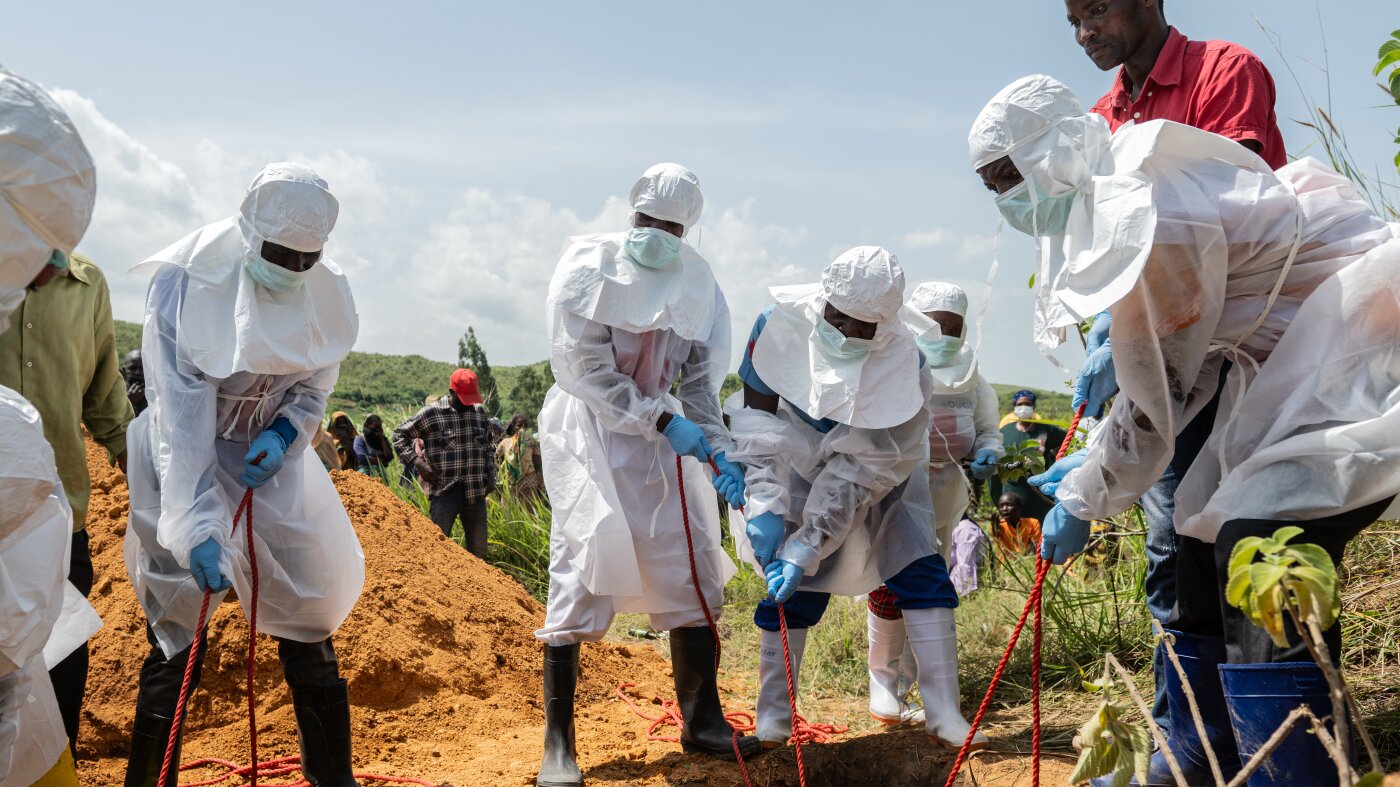
The humanitarian response has suffered a severe blow with the loss of three Red Cross volunteers in the Ituri province. The International Federation of Red Cross and Red Crescent Societies confirmed that Alikana Udumusi Augustin, Sezabo Katanabo, and Ajiko Chandiru Viviane died after contracting the virus while performing body management tasks in March, long before the outbreak was officially identified.
“At the time of the intervention, the community was not aware of the Ebola Virus Disease outbreak, and the outbreak had not yet been identified. They are among the first known victims of the outbreak.”
International Federation of Red Cross and Red Crescent Societies
As of this weekend, the WHO remains on high alert. Abdirahman Mahamud, the WHO director of health emergency alert and response operations, emphasized the severity of the shift in the outbreak’s status, stating,
“The potential of this virus spreading rapidly is high, very high, and that changed the whole dynamic.”
<!
Claire Donovan coordinates breaking-news coverage across global time zones. She has reported on elections, social movements, and investigative stories in over ten countries. Known for her calm leadership under pressure, Claire guarantees Globally Pulse delivers news that is fast, factual, and fair.