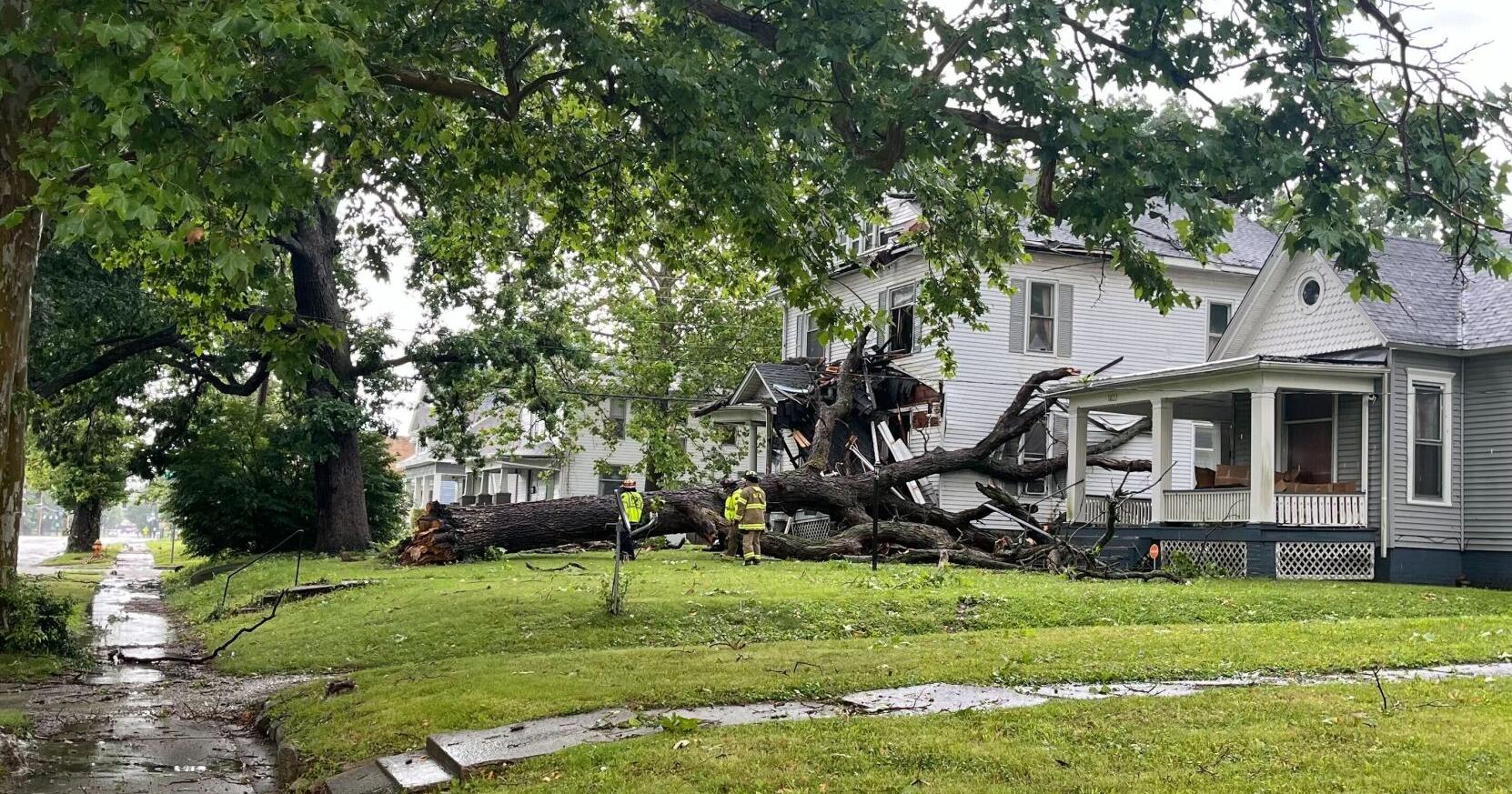
Severe storms tore through Illinois on Wednesday, June 17, 2026, leaving more than 35,000 customers without power and damaging infrastructure from the Chicago suburbs to Effingham County. The system, which triggered tornado warnings and flash flooding, forced school closures, grounded hundreds of flights, and left residents across the state struggling with property damage.
Power Outages and Structural Damage Across Central Illinois
As of 2 a.m. Thursday, the impact of the storm system remained widespread. According to WAND TV, Macon County alone reported 11,200 outages, while Coles County faced 9,900. The damage was not limited to power lines; in Blue Mound, Meridian Elementary School sustained heavy structural damage, with roof sections and tarps left scattered across the grounds.
The scale of the destruction has prompted local emergency management agencies to begin the process of damage assessment. In the aftermath of such events, the National Weather Service typically dispatches survey teams to the affected areas to determine the intensity of the winds, often utilizing the Enhanced Fujita (EF) Scale. This process involves analyzing structural debris and tree damage to estimate wind speeds, a critical step for both public record-keeping and processing insurance claims for impacted homeowners.
In Petersburg, the Hand of Fate Brewing Company was forced to close after severe winds shattered its signage, and the local Ameren facility suffered significant damage when its roof was ripped off. Further south in Effingham County, the local fire department confirmed that a tornado moved through the area shortly after 8 p.m. Wednesday. Officials reported only minor injuries, noting that no life-threatening conditions were identified in the areas they serviced. Utility providers, including Ameren Illinois, have mobilized crews to address the widespread grid failures, though restoration timelines often depend on the severity of the damage to main distribution lines, which can take days to repair following significant wind events.
Tornado Risks and Radar-Indicated Activity
The National Weather Service issued multiple warnings as the system tracked across the state. Near Mattoon, residents witnessed a dark funnel cloud, which was captured in footage verified by Yahoo. The weather agency categorized the storm as “radar indicated” and warned of potential baseball-sized hail.
Meteorologists had previously signaled the potential for high-impact weather. Bill Snyder, a meteorologist for WGN-TV, noted that the state faced two distinct waves of storms. While the morning wave brought gusty winds and heavy rain, he cautioned that the afternoon session carried the risk of “particularly damaging tornadoes,” according to reporting by Block Club Chicago. The development of such multi-wave storm systems is common in the Midwest during June, where atmospheric instability—frequently fueled by high humidity and temperature gradients—can lead to rapid storm intensification.
Flooding and Transportation Disruptions in the Chicago Area
While the most severe tornado activity concentrated in central Illinois, the Chicago region dealt with significant flooding and transit delays. ABC7 Chicago reported that O’Hare International Airport saw over 200 flight cancellations, with Midway Airport canceling nearly 100 as a ground delay was implemented. These delays are a standard safety protocol during severe weather, as ground crews are pulled from the tarmac to protect them from lightning and high winds, effectively halting the movement of aircraft.
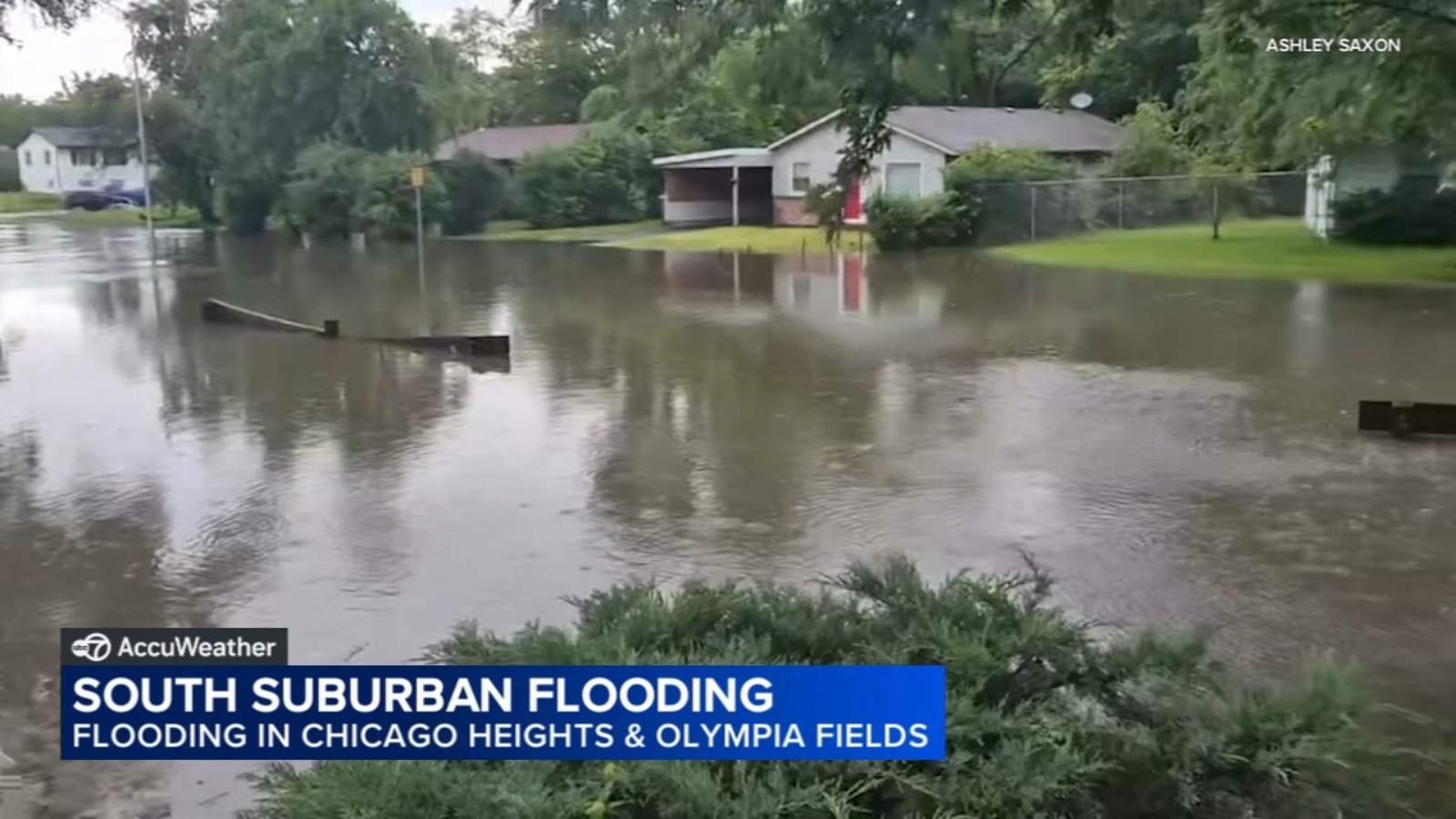
For some residents, the flooding was a recurring trauma. Ashley Saxon, a Chicago Heights homeowner, described how her basement flooded for the fourth time in five years, reaching knee-high levels within 45 minutes of the rainfall beginning. “Again, this has happened multiple times,” Saxon said. “And, insurance doesn’t cover it. And, the city doesn’t help.”
The recurring nature of the flooding in parts of the Chicago suburbs highlights long-standing infrastructure challenges regarding stormwater management. Urban areas with high concentrations of concrete and asphalt often face challenges with runoff, as the lack of permeable surfaces prevents water from soaking into the ground. Municipalities frequently rely on aging sewer and drainage systems, which, when overwhelmed by high-intensity, short-duration rainfall, can lead to localized backups in residential basements.
Regional Weather Outlook and Recovery
The severe weather threat largely bypassed Chicago proper, as midday rain helped suppress the intensity of the incoming system. FOX 32 Chicago noted that while the city avoided the worst of the potential tornadoes, northern Illinois remained under a threat of spotty storms and localized high water through Wednesday evening. The state is now entering a brief period of stabilization, with temperatures expected to reach the low to middle 70s on Thursday as the region begins to dry out.
As the recovery phase begins, local officials typically advise residents to exercise caution when navigating areas with downed power lines or standing water. The Illinois Emergency Management Agency often coordinates with local jurisdictions to track the total number of damaged structures, which serves as the primary data set for determining if a disaster declaration is necessary to unlock state or federal recovery funds. For now, the focus remains on clearing debris and restoring power to the thousands of residents still in the dark as the system moves east.
Find more reporting in our News section.
