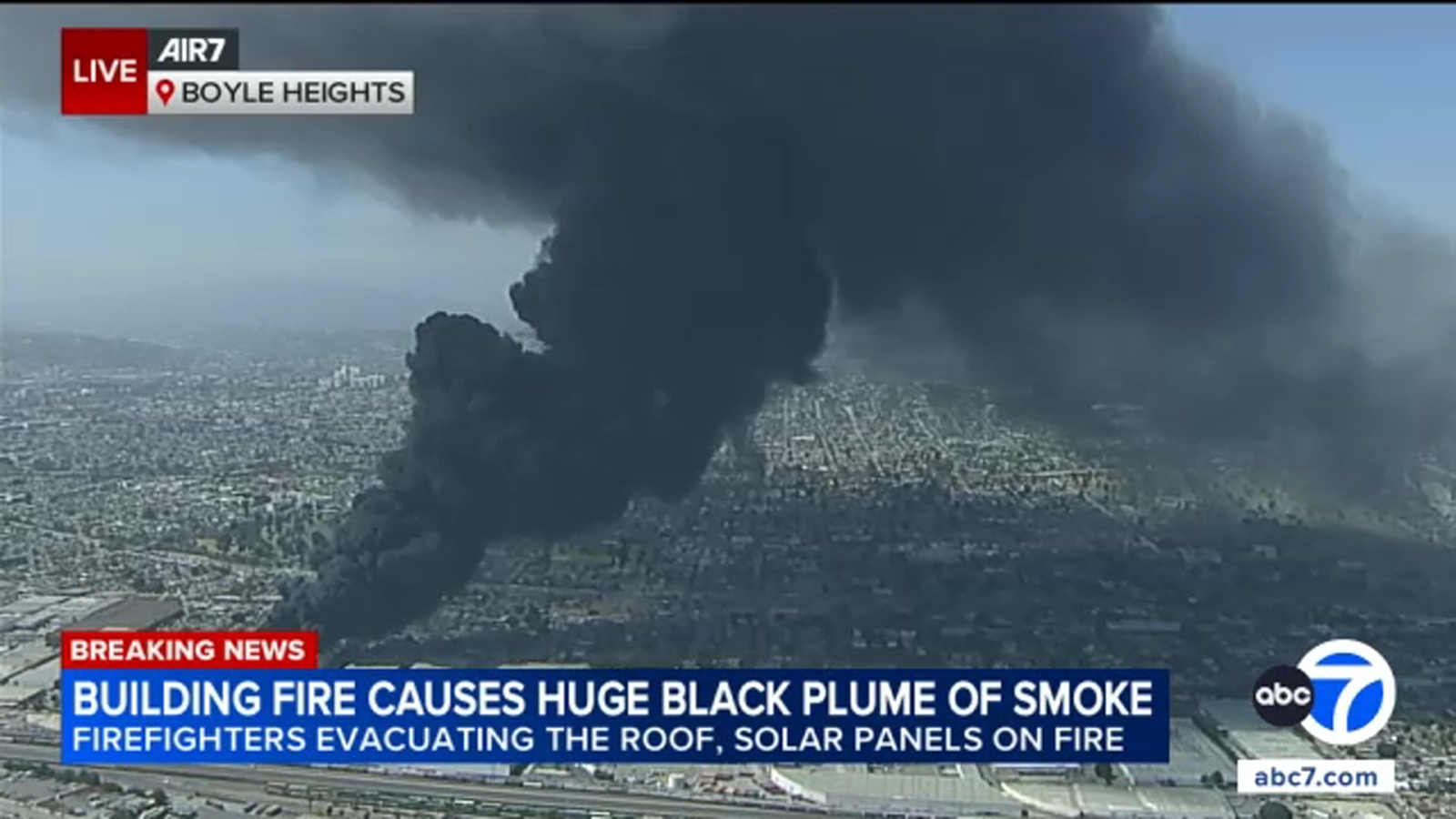
A massive fire at a Lineage cold storage warehouse in Boyle Heights sent thick black smoke across East Los Angeles on Wednesday, June 17, 2026, prompting a shelter-in-place order for residents and businesses near the blaze. The blaze, which began on the facility’s solar panels, reached an ammonia line—sparking concerns about chemical exposure—before firefighters contained the leak and halted the fire’s spread by evening.
Why the Ammonia Leak Forced a Shelter-in-Place Order
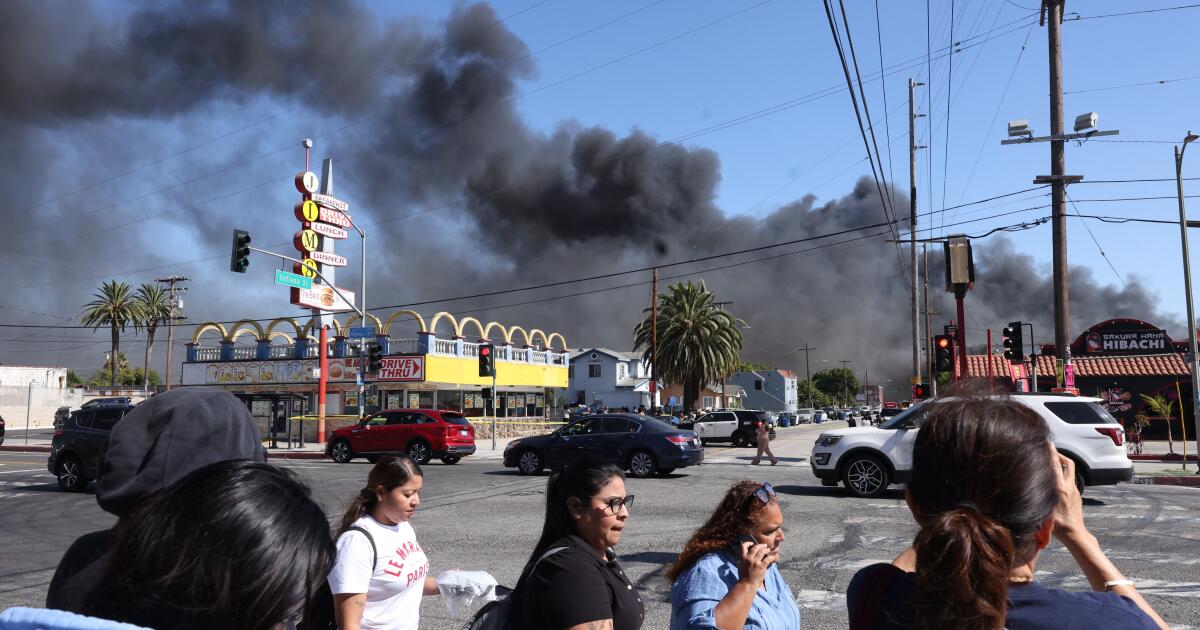
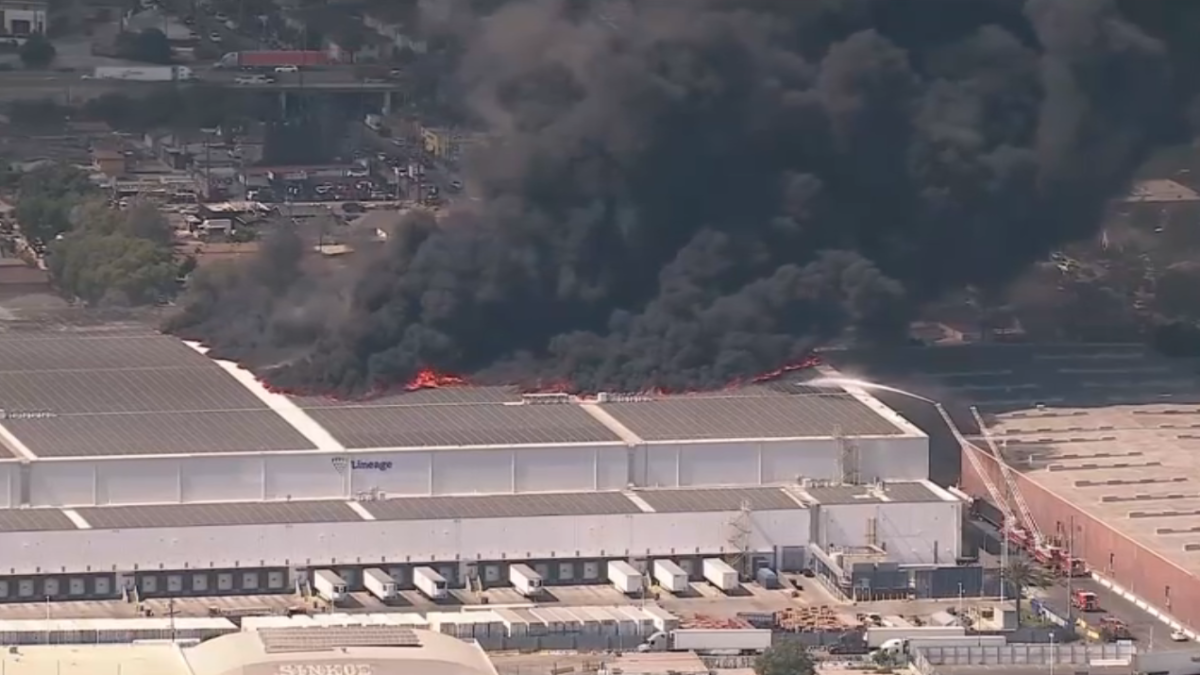
The fire at the 480,000-square-foot Lineage Logistics facility on South Los Palos Street began around 2:30 p.m., igniting solar panels on the roof before spreading to the structure’s ammonia refrigeration system. According to NBC Los Angeles, the ammonia leak—though contained by shutting valves—triggered the shelter-in-place order for an area bounded by the 101 Freeway, Washington Boulevard, Soto Street, and Indiana Street. The Los Angeles Fire Department (LAFD) confirmed the chemical posed no immediate danger outside direct contact, but officials warned residents with respiratory issues to stay indoors.

Yet concerns lingered. Jane Williams, executive director of California Communities Against Toxics, told The Los Angeles Times that the response was disproportionate to the risk: “If this was Beverly Hills, they would be evacuating people, not telling them to shelter in place.” Anhydrous ammonia, she noted, is highly toxic and explosive—a fact that underscored the urgency of the order, even if the immediate threat was mitigated.
How Firefighters Battled a Blaze That Defied Conventional Tactics
The fire presented an unusual challenge: solar panels on the roof continued conducting electricity even after the power was shut down, complicating firefighting efforts. LAFD Chief Jaime Moore told NBC Los Angeles that crews initially battled the flames from the ground but were forced to retreat when the ammonia leak intensified. “There is a field of solar panels on the roof. That’s really where the fire was,” Moore said. “It was a surface fire on the solar panels.”
To regain control, LAFD deployed three firefighting helicopters—typically reserved for wildland blazes—to drop thousands of gallons of water from above. The tactic, combined with ground crews, helped contain the fire by 5:30 p.m., though the shelter-in-place order remained in effect for hours afterward. The incident highlighted a growing concern: as solar adoption rises, so too do the risks of fires in unexpected places.
What Residents Were Told—and Why Some Questioned the Response
Officials urged residents to shelter in place immediately, sealing windows and doors while turning off air conditioning to prevent smoke infiltration. The LAFD’s alert read: “Get inside IMMEDIATELY and close all windows and doors. Turn off air conditioning/heating. Bring all people and pets to an inside room and close all vents until you receive more instructions.” The order extended to Boyle Heights and parts of East Los Angeles, with a broader smoke advisory issued for surrounding areas.
Yet the response drew criticism. While the LAFD emphasized that ammonia levels were safe for most people, Williams argued that the facility’s scale—one of the largest cold storage warehouses in California—demanded a more aggressive approach. “Anhydrous ammonia is highly toxic and explosive,” she said. “The fact that they’re not evacuating raises serious questions about how we prioritize vulnerable communities.”
Councilmember Ysabel Jurado, who represents Boyle Heights, echoed the community’s frustration in a statement to ABC7: “We know how frightening it is to see heavy smoke in your neighborhood, especially for families, workers, small businesses, and commuters who are trying to understand what is happening and how to stay safe.” Her office emphasized the need for clearer communication during emergencies.
The Aftermath: What Happens Next for Boyle Heights?
By Thursday morning, the fire was declared under control, but the incident left lingering questions about safety protocols in industrial zones. The Los Angeles Police Department (LAPD) had issued a citywide tactical alert, mobilizing officers for traffic control and evacuations—a rare move that reflected the fire’s severity. Captain Mike Bland told NBC Los Angeles that the alert allowed for “quick redistribution of personnel” during major emergencies.
Lineage Logistics, which owns the facility, released a statement emphasizing employee safety: “Our top priority is the health and safety of our employees, partners, and the communities in which we live and operate. We are working closely with local officials and first responder teams to assess the situation and provide support.” The company did not immediately address concerns about ammonia storage or future fire risks.
Looking ahead, Boyle Heights residents and advocates are likely to push for stricter regulations on industrial facilities, particularly those handling hazardous materials. The fire’s proximity to residential areas—and the delayed evacuation order—could spark debates about emergency preparedness in densely populated neighborhoods. Meanwhile, the LAFD faces scrutiny over its handling of the ammonia leak, with some questioning why a shelter-in-place order was issued instead of a full evacuation.
A Timeline of the Fire and Response
- 2:30 p.m. – Fire reported at Lineage Logistics warehouse on South Los Palos Street; flames ignite solar panels on the roof.
- 2:35 p.m. – LAFD responds; initial efforts to douse flames from ground crews.
- 3:00 p.m. – Ammonia leak detected; firefighters retreat from the building due to safety concerns.
- 3:30 p.m. – Shelter-in-place order issued for areas south of the 101 Freeway to Washington Boulevard and east of Soto Street to Indiana Street.
- 4:00 p.m. – Three firefighting helicopters deployed to drop water on the blaze.
- 5:30 p.m. – Fire contained; ammonia leak secured by shutting valves.
- 6:00 p.m. – Shelter-in-place order extended; smoke advisory issued for East Los Angeles.
- Thursday, June 18 – Fire declared under control; investigation into cause and safety protocols begins.
The fire at the Lineage warehouse was a stark reminder of the risks posed by industrial facilities in urban areas. While the immediate threat has passed, the incident has exposed gaps in emergency response—and left Boyle Heights residents questioning whether their safety was prioritized as it should have been.
Find more reporting in our News section.
