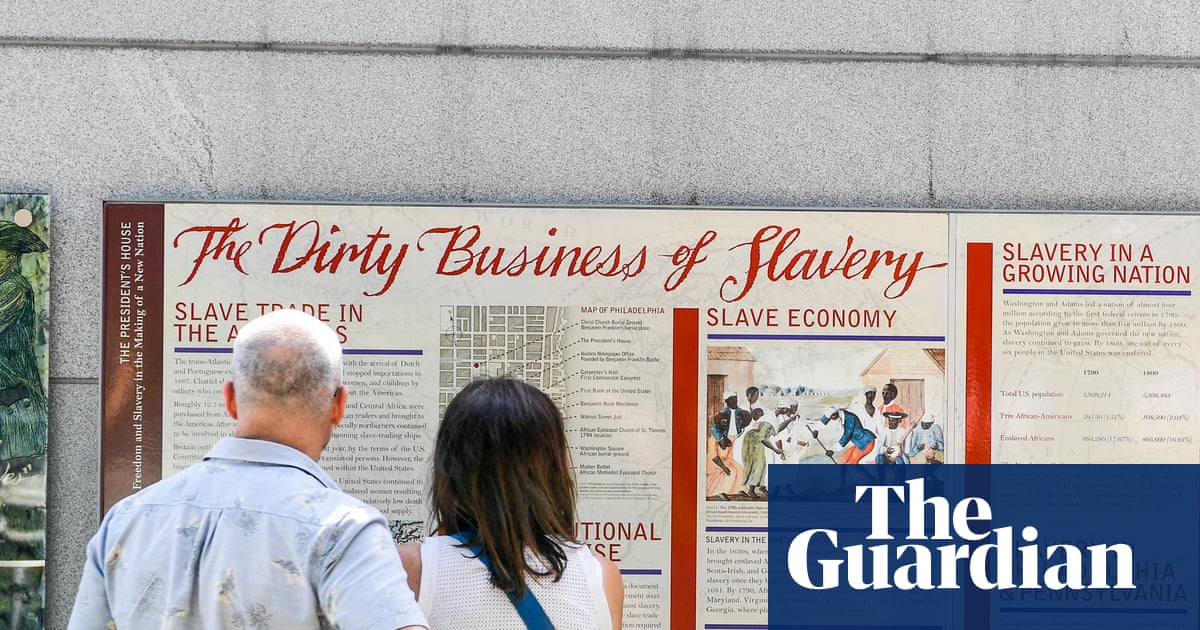
A U.S. district judge in Boston ordered the Trump administration on Friday to reinstall signage and exhibits regarding slavery, climate change, and LGBTQ+ history at national parks. Judge Angel Kelley issued the injunction, ruling that the administration’s 2025 directive to remove such materials set a “dangerous precedent of censorship and sanitization.”
The Legal Basis for the Injunction
U.S. District Judge Angel Kelley’s preliminary injunction mandates that the federal government restore all removed interpretive materials within 21 days. The ruling follows a lawsuit filed in February by a coalition including the National Parks Conservation Association, the American Association for State and Local History, and several other conservation and scientific groups.
The plaintiffs argued that the Interior Department’s removal policy violated congressional mandates for managing the nation’s more than 430 park sites. In her decision, Judge Kelley rejected the government’s approach, noting that the administration sought to “share a limited history by ordering the removal of all signs, displays, and interpretive exhibits at national parks that do not align with its preferred narrative.”
Under the National Park Service Organic Act of 1916, the agency is tasked with preserving the scenery, natural and historic objects, and wildlife in parks in a manner that leaves them “unimpaired for the enjoyment of future generations.” The legal challenge hinges on whether the executive branch possesses the authority to unilaterally strip away interpretive context that has been approved by professional historians and subject-matter experts within the Park Service over the course of the last several years.
Origins of the 2025 Executive Order
The controversy stems from an executive order titled “restoring truth and sanity to American history,” signed by President Donald Trump in March 2025. According to NBC News, the order directed the Department of the Interior to review and alter monuments and memorials that had been updated after January 2020. The administration characterized these updates as a “false construction of American history” that portrayed the United States as “inherently racist, sexist, oppressive, or otherwise irredeemably flawed.”

For more on this story, see Judge Blocks Trump Name Change at Kennedy Center, Orders Removal of Signage.
The directive resulted in the widespread removal of educational materials. Specific examples cited in the lawsuit include:
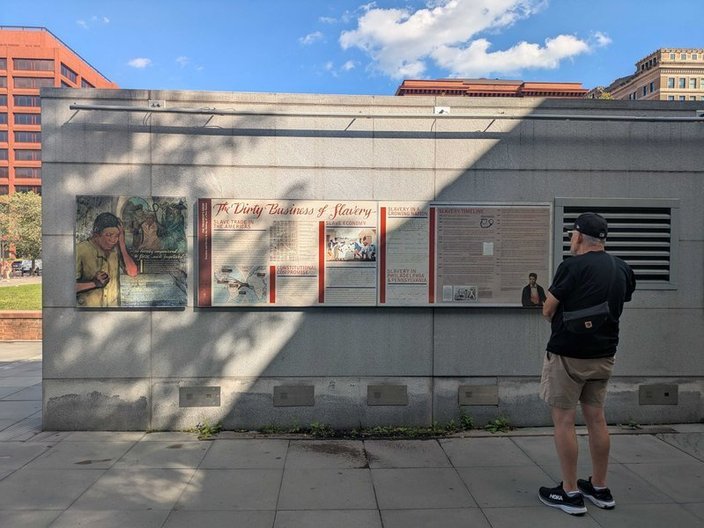
- The removal of mentions of President Washington’s enslaved workers at Independence National Historical Park.
- The dismantling of climate change exhibits at Fort Sumter.
- The removal of a pride flag at the Stonewall National Monument.
- Scrutiny of exhibits regarding Japanese American internment at Manzanar and Indigenous history in Death Valley and Muir Woods.
In practice, the directive functioned by freezing the development of new interpretive exhibits and ordering regional directors to audit existing physical and digital displays. The Department of the Interior, led by the Secretary of the Interior, oversaw the implementation of these removals, often bypassing the standard peer-review process typically used by the National Park Service to ensure historical accuracy in its exhibits.
Conflicting Visions for National Park Interpretation
The dispute highlights a stark divide over the purpose of federal historical sites. Alan Spears, senior director for cultural resources at the National Parks Conservation Association, emphasized that the public relies on these sites to understand the full scope of the national experience.
“Americans count on national parks to help us understand our full, rich history. Stories of triumph and tragedy alike deserve to be told out loud at parks.”
Alan Spears, senior director for cultural resources at the NPCA
Conversely, the administration has framed its actions as a necessary correction to what it terms “ideological indoctrination.” An Interior Department spokesperson dismissed the court’s ruling as the work of a “liberal activist judge,” stating that the department would explore appeal options. The administration has frequently linked these removals to a broader effort to dismantle diversity, equity, and inclusion policies, which the president has previously labeled as discriminatory.
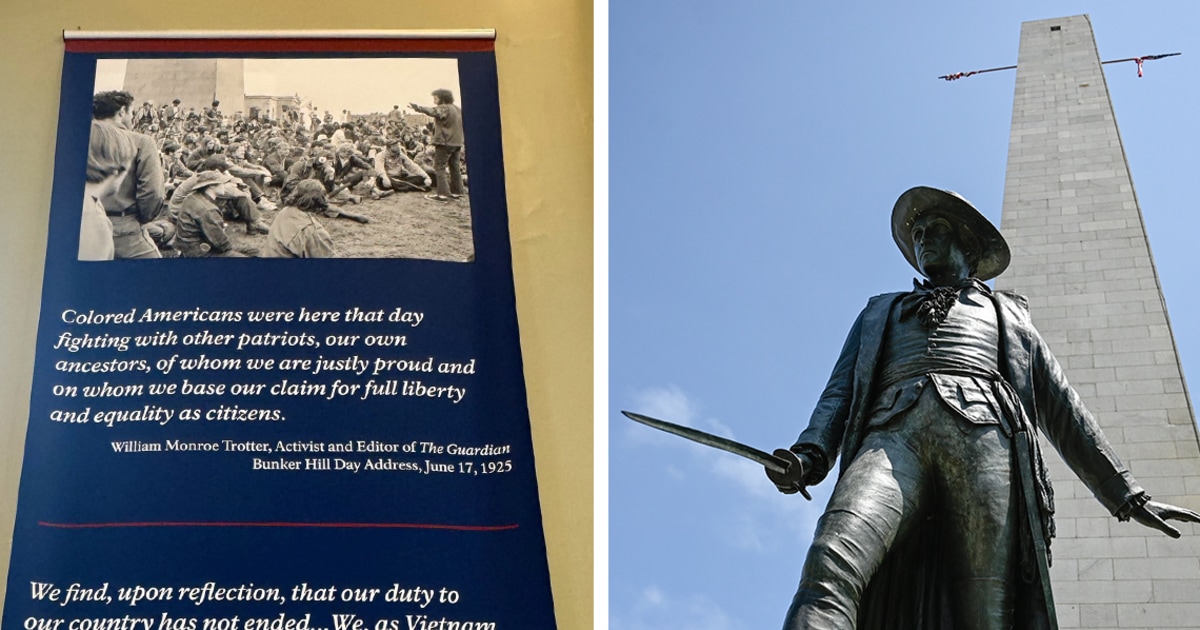
This conflict reflects a broader national conversation regarding the role of public institutions. For decades, the National Park Service has moved toward a model of “inclusive history,” intended to present a multi-faceted view of events—ranging from the industrial revolution to the civil rights movement. Critics of the administration’s policy argue that removing these elements creates a sanitized version of history that fails to reflect the lived reality of many Americans, while proponents of the executive order argue that the parks should focus on national unity and patriotic themes rather than social critiques.
This follows our earlier report, Trump’s $1.8B Fund Raises Legal, Political Fears Over IRS Settlement.
Compliance and the 250th Anniversary Deadline
Judge Kelley tied the 21-day compliance window to the upcoming 250th anniversary of the United States. She argued that restoring the signs is essential to properly honoring the country’s history, including “the good, the bad, and the ugly.”
The 250th anniversary, often referred to as the Semiquincentennial, has become a focal point for both the administration and its opponents. While the administration prepares its response, the status of the removed signage remains a point of political friction. The Interior Department recently held a celebration on the White House South Lawn, which a spokesperson described as an event in honor of the nation’s 250th anniversary. As the 21-day clock runs, the government faces a choice between reinstating the exhibits or seeking an emergency stay of the injunction to prevent the restoration of the contested displays.
Legal observers note that if the administration seeks a stay, the case would likely proceed to the U.S. Court of Appeals for the First Circuit. The outcome of that potential appeal could determine the long-term standards for historical interpretation within the federal park system for the remainder of the administration’s term.
Find more reporting in our News section.
