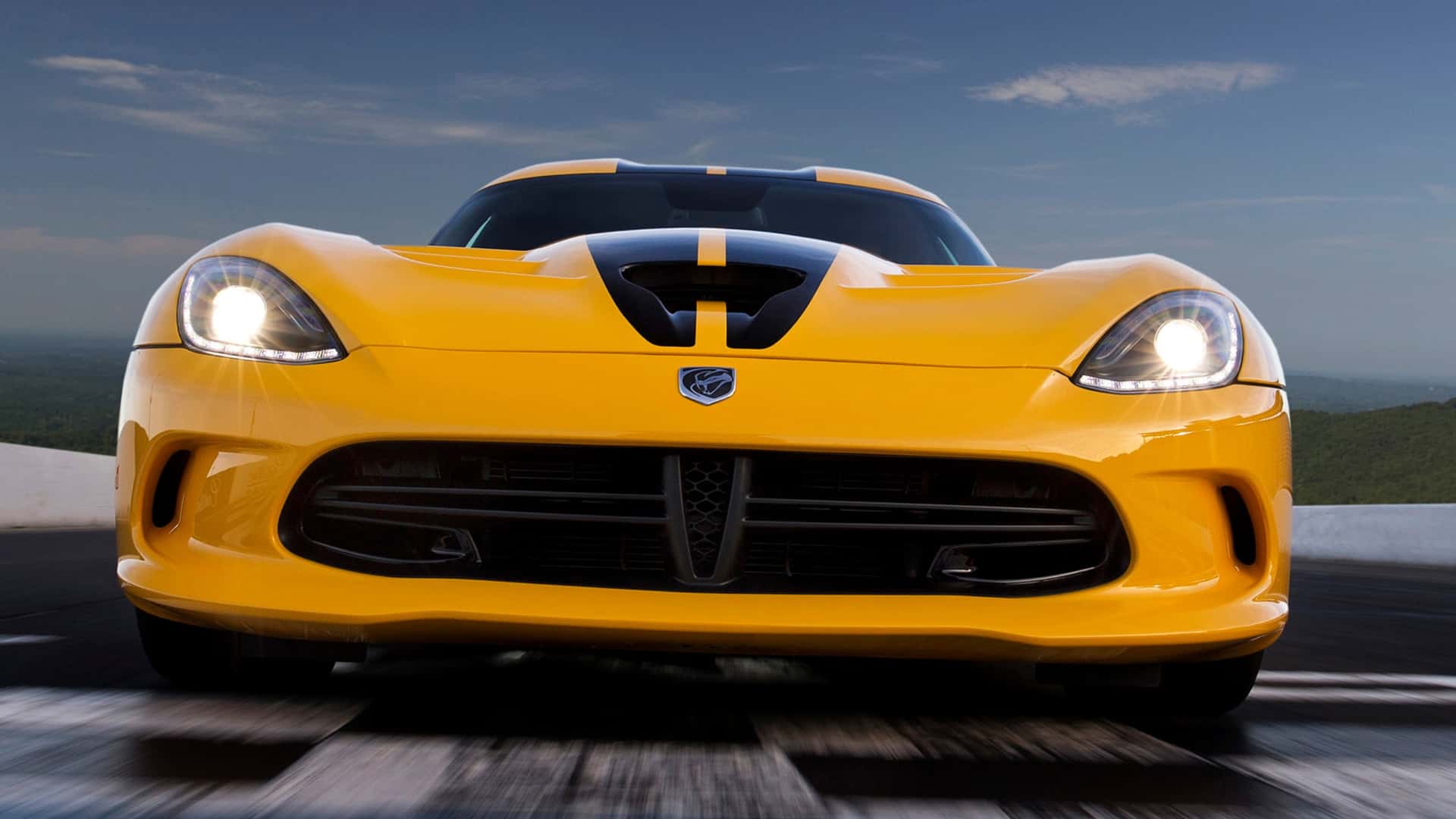
Dodge officially confirmed the development of a new halo sports car, the Copperhead, during an Investor Day event held on Thursday. Based on the current-generation Charger platform, the vehicle will feature an aggressive aerodynamic kit and a high-performance SRT variant, marking Dodge’s return to the halo car segment since 2017.
The Copperhead Returns to the Dodge Lineup

The automotive conglomerate Stellantis officially announced an ambitious $70 billion turnaround plan, dubbed FaSTLane 2030, which includes the introduction of 110 new and refreshed vehicles by the start of the next decade. Among the most anticipated projects is the Dodge Copperhead, a nameplate that draws on the brand’s history. While the company previously showcased a Copperhead concept in 1997, that vehicle—pitched as a more accessible alternative to the Viper’s $70,000 price point—never reached production.
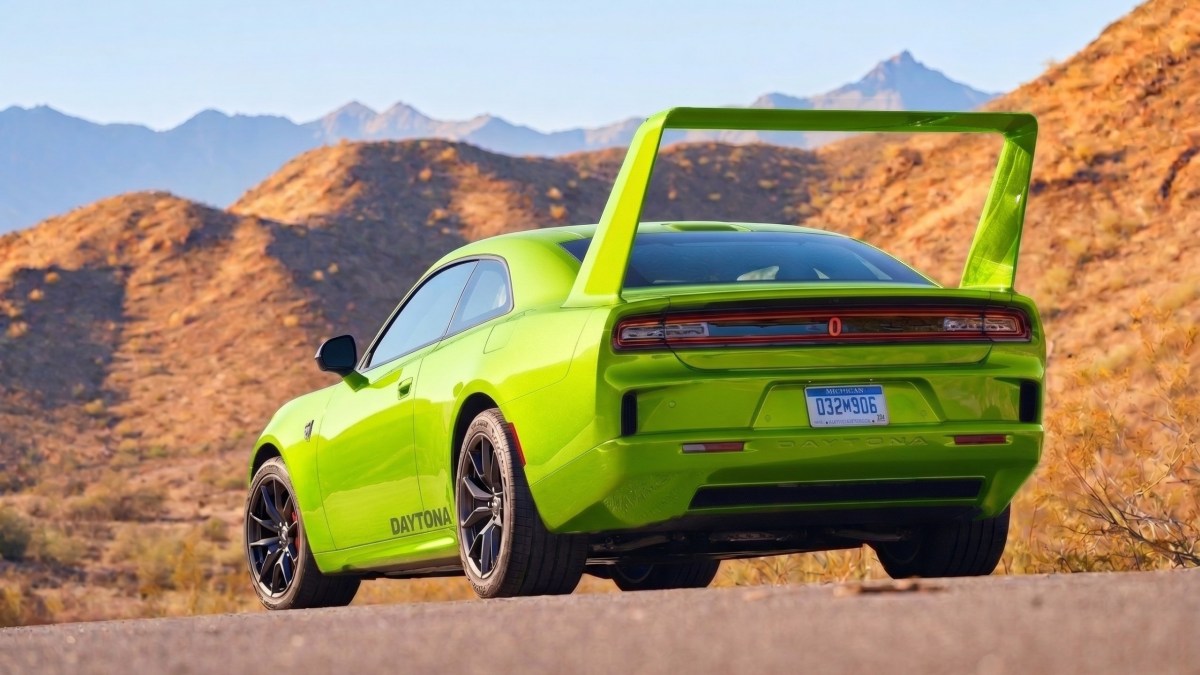
Unlike its predecessor, the new Copperhead is intended to sit at the pinnacle of the Dodge lineup. According to Robb Report, the car is designed as a low-slung, two-door coupe that shares DNA with the Viper despite the shift in naming conventions. Observers who received a preview of the vehicle described a shark-nose profile and a massive rear wing, signaling a focus on track-oriented performance.
Design Language and Combustion Power

While technical specifications remain under wraps, the visual cues provided during the investor preview strongly suggest a traditional internal combustion engine. The vehicle features an aggressive aero kit, including an S-duct on the hood, additional hood vents, and specialized cooling ducts behind the rear wheels. These features, combined with the presence of visible exhaust tips, indicate that the Copperhead will likely utilize a V-8 powertrain.
The vehicle’s design appears to be an evolution of the new Dodge Charger. Reports from those who saw the car in person highlight a massive rear wing reminiscent of the Richard Petty Superbird era, with pedestals mounted on the sides of the rear end. The aggressive aesthetic is further enhanced by smoked headlight housings and a prominent front splitter.
Expanding the Performance Portfolio
The Copperhead announcement comes as Dodge navigates a shift in its product strategy. Stellantis CEO Antonio Filosa recently addressed the company’s engine strategy, noting that the decision to prioritize V-8 options in trucks was driven by market demand, where 40% of buyers consider the engine choice a deciding factor. This focus on performance extends to the brand’s smaller offerings as well.
Dodge is also preparing the launch of the GLH, a new model resurrecting an acronym that stands for “Goes Like Hell.” As detailed by Car and Driver, the GLH will be offered as a subcompact SUV, with a high-output SRT version expected to utilize a 324-horsepower Hurricane turbo four-cylinder engine. This expansion of the SRT badge across different segments suggests that Dodge intends to maintain its performance identity even as it modernizes its platform lineup.
“Push the limits.”Dodge CEO Matt McLear, regarding the future of the Hurricane inline-six engine.
Market Implications and Future Outlook
The strategic push behind the Copperhead and the broader FaSTLane 2030 initiative represents a critical pivot for Dodge. Since the discontinuation of the Viper in 2017, the brand has lacked a flagship model capable of anchoring its performance reputation. By leveraging the Charger platform to create a specialized, high-aero halo car, Dodge aims to satisfy long-time enthusiasts who have been vocal about their desire for continued V-8 performance.
Dodge leadership has maintained a cautious stance on the immediate reception of its new lineup, noting that it is too early to determine the market success of the current Charger transition. However, the aggressive nature of the Copperhead, combined with the planned refresh of the Charger lineup, suggests a company moving quickly to address feedback from its core customer base. As the 2028 and 2030 milestones approach, the successful integration of these high-performance models will likely be a defining metric for the brand’s long-term viability in the competitive muscle car market.
The integration of the Copperhead into the broader Stellantis ecosystem serves as a strategic hedge against shifting consumer preferences. By utilizing the modular Charger architecture, Dodge is able to control development costs while delivering the distinct aesthetic and performance characteristics required of a halo vehicle. According to internal documentation shared during the Investor Day, the engineering team has prioritized weight reduction and chassis rigidity to ensure the Copperhead meets the expectations set by the previous generation of track-focused Dodge models.
Industry analysts tracking the FaSTLane 2030 rollout have noted that the emphasis on the “Copperhead” nameplate serves as a bridge between the brand’s heritage and its future. By avoiding the direct “Viper” moniker, the company is attempting to establish a new identity for its performance division while maintaining the core engineering philosophy that defined its previous flagship. The decision to finalize the design based on the current Charger platform also suggests that Dodge intends to capitalize on the existing supply chain and manufacturing infrastructure, potentially reducing the time to market for the final production version of the vehicle.
As Dodge moves toward the 2028 production milestones, the company faces the challenge of balancing regulatory compliance with the high-performance expectations of its customer base. The continued reliance on the Hurricane engine family, alongside potential high-output V-8 configurations, represents a dual-track strategy intended to satisfy both fuel economy mandates and the performance-oriented demands of the segment. The success of this strategy, particularly regarding the Copperhead, will hinge on the company’s ability to maintain the brand’s distinct character while meeting the evolving standards of the global automotive market. The company remains committed to the performance sector, with the Copperhead acting as the primary vehicle for demonstrating its technological capabilities in the years ahead.
