
A study published in the medical journal Neurology suggests that the quality of plant-based diets significantly influences dementia risk, with high-quality patterns linked to lower Alzheimer’s incidence. Researchers analyzed dietary habits of 92,849 adults over an 11-year period, finding that nutritional choices—not just the exclusion of animal products—shape long-term cognitive health.
Defining Diet Quality and Dementia Risk
The research, which appeared in Neurology, moves beyond the simple binary of meat versus plant-based eating. Investigators categorized plant-based diets into three distinct patterns to understand how specific food groups contribute to brain health. The study followed participants with an average starting age of 59, including a diverse group of African American, Japanese American, Latino, Native Hawaiian, and white adults.

The findings indicate that “quality of a plant-based diet mattered, with a higher quality diet associated with a reduced risk and a lower quality diet associated with an increased risk,” according to study author Song-Yi Park, PhD, of the University of Hawaii at Manoa’s Cancer Center. During the 11-year follow-up, 21,478 participants developed Alzheimer’s disease or another form of dementia. Those who prioritized healthful plant foods—such as whole grains, fruits, vegetables, nuts, and legumes—saw better outcomes than those whose diets relied on refined grains, added sugars, and potatoes.
To quantify these risks, the study utilized the Plant-Based Diet Index. Researchers assigned positive scores to healthy plant foods and reverse scores to less healthy items. The data suggests that individuals in the highest quintile for healthy plant-based diet scores experienced a statistically significant reduction in incident dementia cases compared to those in the lowest quintile. This suggests that the metabolic impact of refined carbohydrates and high-glycemic index foods may counteract the potential neuroprotective benefits of a plant-centric approach.
Nutritional Strategies for Cognitive Preservation
Beyond broad dietary scores, specific food groups consistently appear in recent research as essential components for maintaining cognitive function. Consumer Reports highlights that while no single food guarantees brain enhancement, consistent inclusion of certain items supports long-term neural integrity.
For more on this story, see Legumes and soy may cut high blood pressure risk by nearly 30%-new study finds.
Fatty fish remains a primary recommendation due to its omega-3 content. Research published in the American Journal of Clinical Nutrition in 2024 found that older adults consuming fish at least six times a month performed better on cognitive tests than those eating it less than twice a month. The study specifically examined the correlation between docosahexaenoic acid (DHA) intake and episodic memory performance in aging populations.
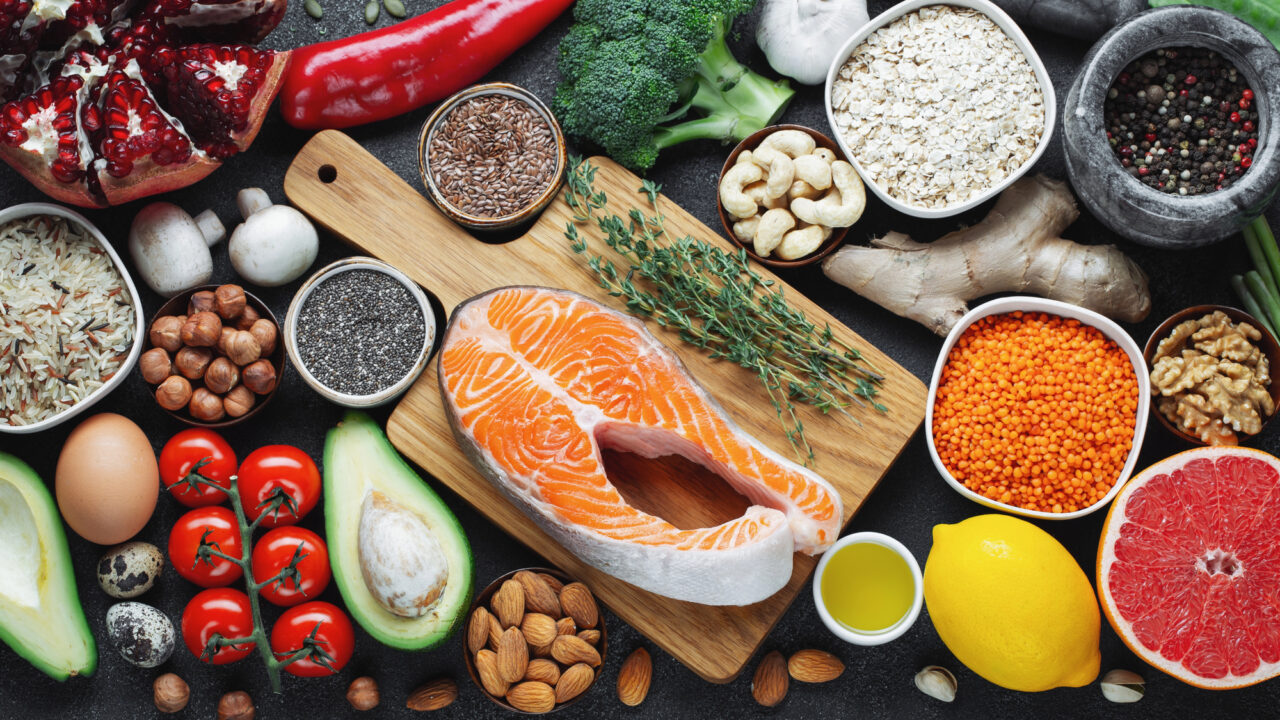
Most fish, especially fatty fish like salmon or sardines, is rich in omega-3 fatty acids. These help keep brain cell membranes soft and flexible, which boosts blood flow to your brain and reduces your risk of stroke, which is another cause of cognitive decline in older adults.
The Role of Fiber and Micronutrients
Recent studies have also zeroed in on the protective benefits of soluble fiber and specific plant compounds. According to a 2025 study published in Neurology, replacing a daily serving of processed red meat with legumes like beans was associated with a 20 percent lower risk of dementia. This study tracked the dietary intake of participants over a 16-year window to determine how protein source substitution affects neurodegenerative trajectories.
She’s currently studying whether a diet high in soluble fiber—found in foods like beans, oats, peas, apples, brussels sprouts, and avocados—helps to reduce dementia risk over time.
Leafy greens also provide critical support. In a 2023 study published in Neurology, participants who consumed at least seven servings of greens per week showed less beta-amyloid buildup—a marker associated with Alzheimer’s—compared to those who ate fewer than two servings. These vegetables, including kale and spinach, are dense in lutein, folate, and vitamin E. Clinical analysis of these participants indicated that those with the highest intake of these micronutrients exhibited an estimated 11-year younger brain age compared to those with the lowest intake, adjusting for lifestyle and demographic variables.
Mechanisms of Cognitive Protection
The brain, which accounts for 2 percent of the body’s weight but consumes 20 percent of its energy, requires specific inputs to maintain neural communication. Style Rave notes that flavonoids, particularly anthocyanins found in dark-colored berries, play a significant role in protecting neurons from oxidative stress. These compounds are capable of crossing the blood-brain barrier, where they may help improve blood flow and memory recall.

Regarding berries, the preparation method may even enhance their benefits. Research suggests that freezing them actually increases their anthocyanin content. Similarly, the MIND diet—a hybrid of the Mediterranean and DASH diets—recommends at least two cups of berries weekly to support brain health by reducing inflammation. Data from the Rush Memory and Aging Project supports these findings, showing that consistent adherence to the MIND diet is associated with a slower rate of cognitive decline, even after controlling for cardiovascular health and physical activity levels.
As research continues to evolve, the focus remains on the cumulative effect of these dietary patterns rather than the pursuit of isolated “superfoods.” Clinicians emphasize that dietary interventions should be evaluated as part of a comprehensive neurological health plan. Consult your healthcare provider regarding specific dietary changes, particularly when managing existing health conditions, medication interactions, or early-stage cognitive concerns, to ensure that nutritional shifts are appropriate for your individual medical history.
