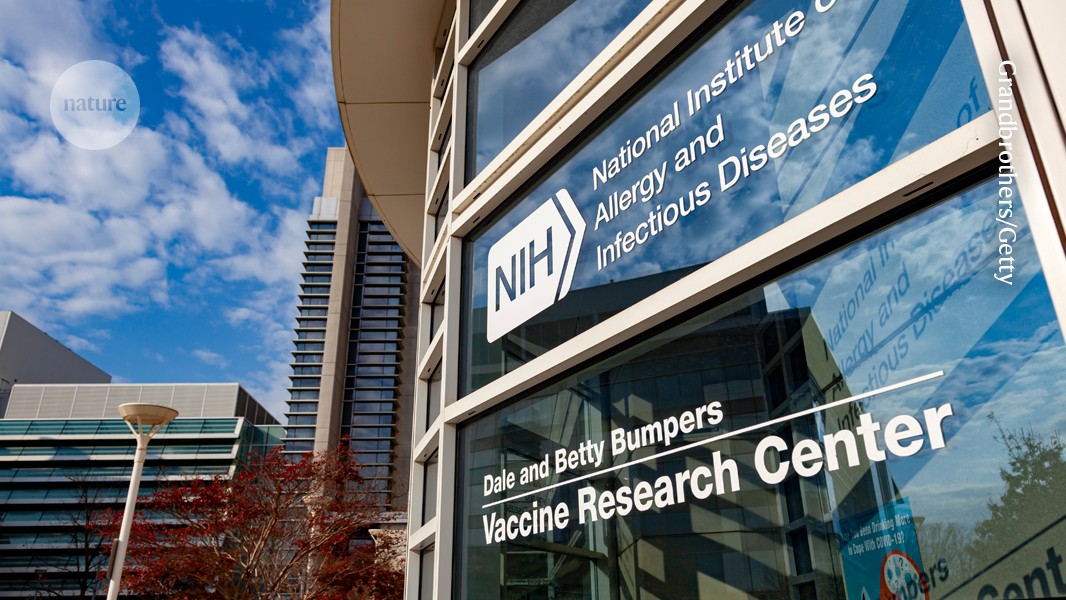
The Trump administration is systematically excluding key US infectious disease researchers from global virus response talks, according to internal documents and sources, raising alarms about America’s ability to coordinate with the World Health Organization during outbreaks.
A directive from the Department of Health and Human Services has barred officials at the National Institute for Allergy and Infectious Diseases (NIAID)—the agency once led by Dr. Anthony Fauci—from direct communication with the WHO, even as new virus threats emerge. The restrictions, in place since at least January 2025, have forced researchers into “listening-only” roles during critical meetings, with any follow-up requiring approval through bureaucratic channels. The move comes as the US faces a resurgence of hantavirus cases and an unfolding Ebola epidemic in the Democratic Republic of Congo.
Restrictions Lock Researchers Out of WHO Talks
The communication ban was confirmed in a May 18 email from a senior NIAID official, obtained by Ballinger News, which outlined how the agency would handle WHO meetings during the Ebola outbreak. Researchers could attend virtual sessions—but only in groups of no more than three and in a “listening capacity.” Any substantive discussion or research proposals would require clearance through the Department of Health and Human Services (HHS), effectively sidelining frontline scientists.
“We’ll be operating in the same manner for Ebola as we have been doing for Hantavirus, assembling a small groups of experts — no more than three — to participate.”
This is not the first time the Trump administration has restricted US engagement with the WHO. The US formally withdrew from the organization in January 2025, a decision widely criticized by public health officials. The current policy, however, goes further by imposing internal restrictions on NIAID staff—an agency with a $6.6 billion annual budget and a history of leading global health responses, from HIV/AIDS to COVID-19. Sources described the move as “unheard of” during past US-led responses to emerging public health threats.
Leadership Overhaul at NIAID Undermines Stability
Behind the communication restrictions lies a broader upheaval at NIAID. Since early 2025, nearly all of the institute’s senior leadership positions—including eight of the ten top slots—have been vacated or reassigned, according to Nature. Three high-ranking officials were recently given the choice between reassignment outside NIAID or resignation. The turnover is unprecedented: career scientists typically remain in place regardless of presidential transitions, but under Trump’s second term, political influence over the agency’s leadership has surged.
The departures follow the ouster of Jeanne Marrazzo, Fauci’s successor as NIAID director, last year. Fauci himself had led the institute for 38 years before stepping down in 2022, earning the trust of the global scientific community. His critics, including Trump and other Republicans, have long targeted Fauci’s leadership over COVID-19 policies. Now, the administration’s actions appear to be reshaping NIAID’s direction—with consequences for its ability to respond to future outbreaks.
“When you’ve spent years to put in place certain kinds of programmes and earn the trust and admiration of the scientific community, disruption for the sake of disruption is not useful.”
The instability extends beyond leadership. With many top health positions vacant, the US risks losing its seat at the table in global health governance—a role it has historically played in shaping responses to pandemics. The WHO, meanwhile, has no incentive to wait for US approval to act. As one NIAID staffer told Ballinger News, the restrictions create a “chain of command” that slows down critical decision-making.
What This Means for Global Health Security
The implications are clear: the US is ceding influence in global health at a time when infectious diseases are resurging. The hantavirus outbreak, which has exposed Americans to a potentially deadly virus, and the Ebola crisis in Congo—both unfolding in 2026—demonstrate the need for rapid, coordinated responses. Yet the Trump administration’s policies are isolating US researchers, forcing them to rely on indirect channels that delay action.
Historically, the US has been a leader in pandemic preparedness, funding research and coordinating with international partners. But the current approach—restricting communication, reshuffling leadership, and withdrawing from global forums—risks leaving the country on the sidelines. The WHO, for its part, is not waiting. It has already begun collaborating with other nations, including China and the European Union, to fill the gap left by the US.
For researchers, the message is unambiguous: political interference is undermining science. The NIAID’s $6.6 billion budget is a testament to its importance, yet the agency’s ability to act is being hamstrung by administrative constraints. As Diamond warned, “disruption for the sake of disruption” harms the very mission the institute was designed to serve.
Who Benefits? Who Loses?
Politically, the Trump administration may see short-term gains in reshaping NIAID’s leadership—aligning the agency with its own priorities. But the long-term costs are steep. Public health emergencies do not respect borders, and the US’s ability to lead global responses depends on trust, expertise, and collaboration. By isolating its researchers, the administration is weakening one of the world’s most powerful tools in the fight against infectious diseases.
The losers are clear: American taxpayers, who fund NIAID’s research; global health security, which relies on US leadership; and the scientific community, whose trust is being eroded. The winners? Those who benefit from political control over science—an approach that has already drawn criticism from Democrats like Sen. Tammy Baldwin, who has highlighted the instability at NIAID.
The Road Ahead: What Comes Next?
The question now is whether the restrictions will persist—or if they will be reversed as the political landscape shifts. The Ebola outbreak in Congo and the hantavirus cases in the US underscore the urgency of coordinated action. If the Trump administration continues to prioritize political control over scientific collaboration, the US risks falling further behind in global health leadership.
For now, researchers are left navigating a system where their voices are muted, their access restricted, and their ability to shape global responses severely limited. The email from the senior NIAID official—”Should we have legitimate research questions or countermeasure testing ideas, we can bring those up through the proper chain of command”—reads like a surrender. It’s a far cry from the agency’s historic role as a global health innovator.
The stakes could not be higher. The next pandemic could be just months away—and if the US is not at the table, the world may have to find another leader.
