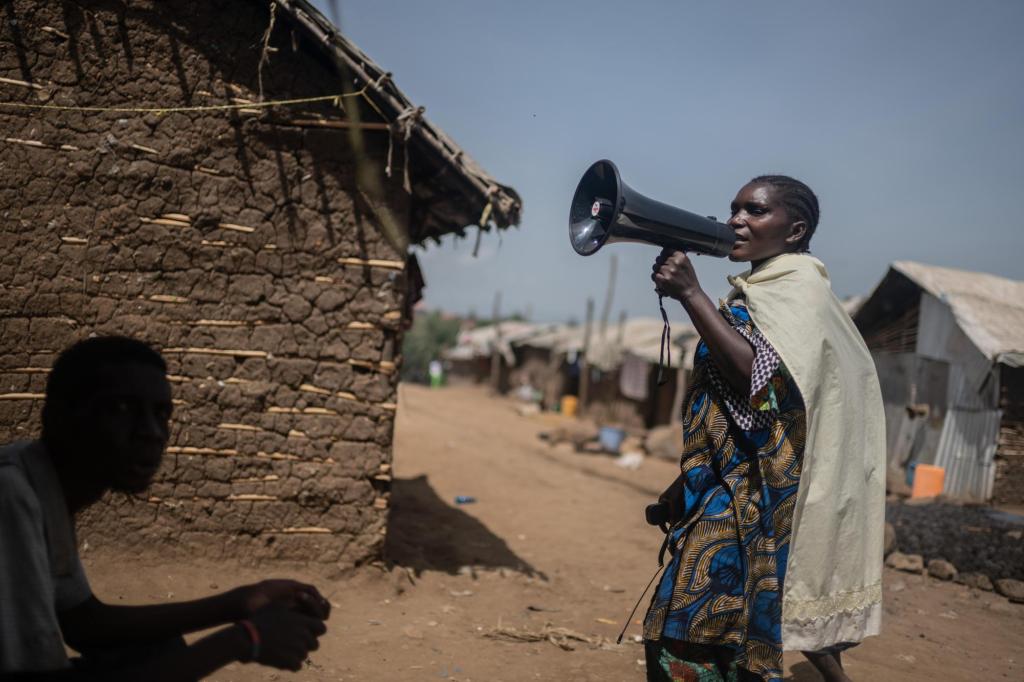
As the Ebola outbreak surges in eastern Democratic Republic of Congo (DRC), aid workers and health officials warn that the dual crises of conflict and displacement are creating a “catastrophic collision” that could doom containment efforts. With over 900 suspected cases and at least 10 confirmed deaths since May 15, 2026, the World Health Organization (WHO) has declared the situation a global health emergency, while local leaders in Bunia describe a camp for 10,000 displaced people where residents are washing hands with sand or oatmeal due to a lack of soap and water (Pioneer Press).
Conflict and Displacement: A Perfect Storm for Ebola
The outbreak in Ituri province is unfolding in a context of decades-long conflict, where armed groups have destabilized health systems and driven millions from their homes. Over 900,000 people have been displaced in Ituri alone, creating overcrowded camps with minimal access to sanitation—a breeding ground for infectious diseases. “Eastern DRC’s years of conflict and displacement have left health systems on their knees, and that makes containing this outbreak all the harder,” said Heather Kerr, director of the International Rescue Committee (Pioneer Press).
At the ISP camp in Bunia, residents face dire conditions. Francine Leve Janguzi, a camp resident, described the lack of resources: “My fear is that we are here with nothing to protect ourselves. We have no protection, no water or soap, and we live near garbage.” The camp has only one handwashing station and one infrared thermometer, according to Associated Press reporters (Pioneer Press).
WHO Chief Warns of “Catastrophic Collision”
WHO Director-General Tedros Adhanom Ghebreyesus warned that the Ebola outbreak in Ituri province is “outpacing the response” due to ongoing violence. “Eastern DRC now faces a catastrophic collision of disease and conflict,” he wrote on X, emphasizing that the Bundibugyo strain of Ebola has “no approved vaccine nor treatment.” The WHO has recorded 900 suspected cases since the outbreak began, though the true number is likely higher (Al Jazeera).

Ongoing clashes have displaced thousands, pushing exposed individuals into crowded camps and disrupting containment efforts. “Ongoing clashes are driving mass displacement, pushing exposed contacts into overcrowded camps and severing critical containment corridors,” Tedros wrote. Frontline workers face “attacks on health facilities” that make tracking cases and contacts nearly impossible, he added (Al Jazeera).
Uganda Closes Borders to Contain Spread
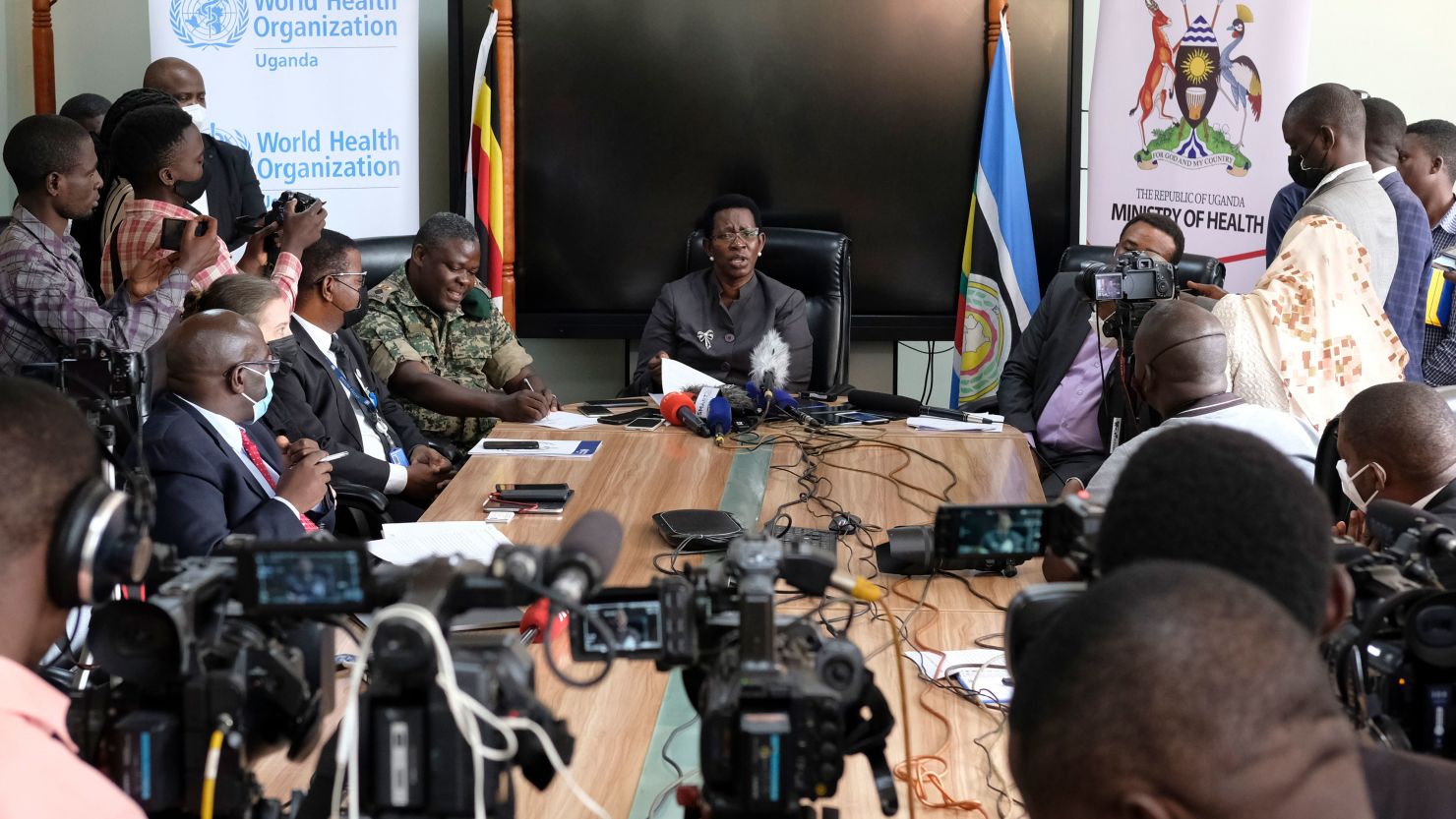
In response to the growing threat, Uganda’s Health Ministry announced the temporary closure of its borders with DRC, allowing only authorized response teams, humanitarian operators, and cargo to cross after strict health screenings. Returning citizens must undergo 21 days of self-isolation, and schools in border districts will remain open (Al Jazeera).
The move reflects fears that the virus could spread to neighboring countries. The Africa Centres for Disease Control and Prevention has identified 10 nations, including Rwanda, Kenya, and South Sudan, as at risk of an Ebola outbreak (Al Jazeera).
Humanitarian Access: A Lifeline Under Threat
Stopping the Ebola transmission relies entirely on humanitarian access, but clashes and attacks on health facilities are creating “critical bottlenecks,” according to the WHO. “We cannot build community trust or isolate the sick while bombs are falling,” Tedros said, urging warring parties to cease hostilities to allow medical teams safe passage (Al Jazeera).

In Bunia, Olivier Nkakudulu of the World Food Programme (WFP) described the challenges of operating in a region where “state services in rural areas have been largely absent for decades.” The WFP is working to deliver supplies, but the scale of the crisis remains daunting (Pioneer Press).
What Comes Next?
The coming weeks will determine whether the outbreak can be contained. With no approved treatments or vaccines, the focus remains on contact tracing, isolation, and community engagement. However, the lack of basic infrastructure in displacement camps and the persistent violence threaten to undermine these efforts. “Stopping this Ebola transmission depends entirely on humanitarian access,” Tedros reiterated, calling for an immediate ceasefire to prioritize human survival (Al Jazeera).
For residents like Francine Leve Janguzi, the stakes are clear: “We have no protection, no water or soap, and we live near garbage.
