Oxford Vaccine Group launches world’s first Phase I Bundibugyo ebolavirus vaccine trial
Oxford Vaccine Group launches world’s first Phase I Bundibugyo ebolavirus vaccine trial
- Headline Dispatch: Oxford Vaccine Group launches world’s first Phase I Bundibugyo ebolavirus vaccine trial
- Core Takeaway: Oxford Vaccine Group launches world’s first Phase I Bundibugyo ebolavirus vaccine trial
- Source Synthesis: Continuous live monitoring aggregated across major news wires and independent bureaus.

Oxford Vaccine Group launches world’s first Phase I Bundibugyo ebolavirus vaccine trial
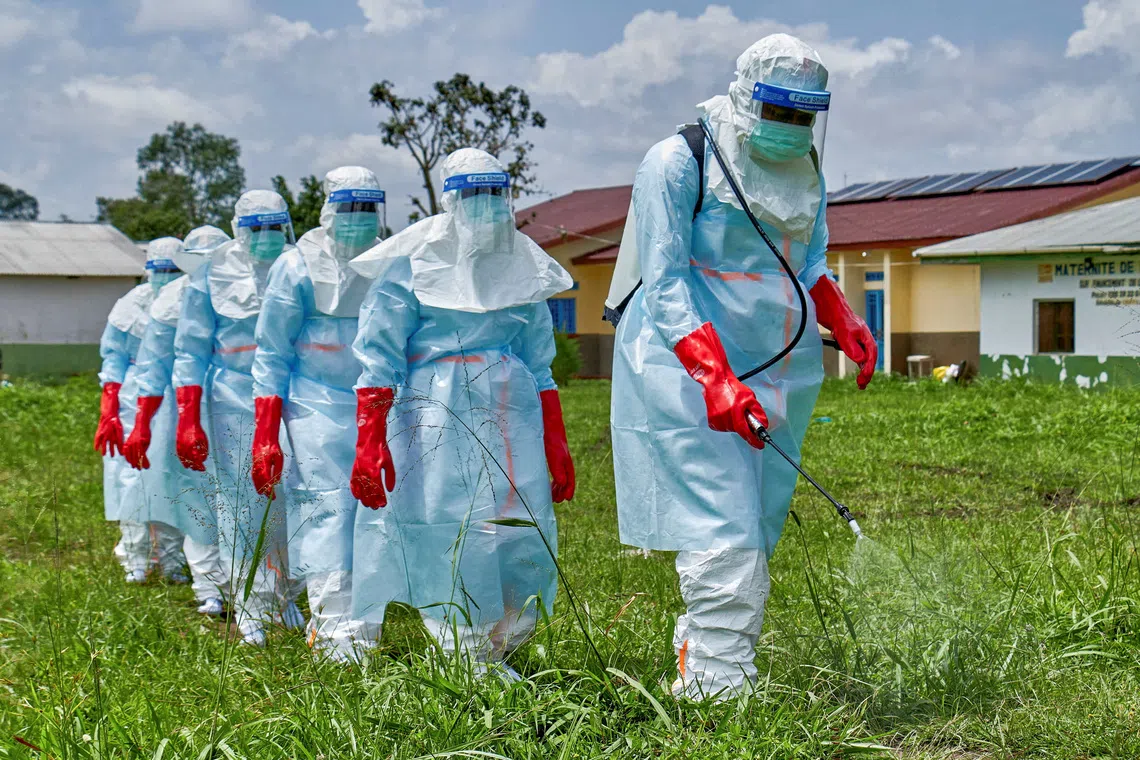
The University of Oxford has launched the first human clinical trial of a vaccine targeting the Bundibugyo ebolavirus (BDBV). The study, titled BD-Ebov, comes as a response to an outbreak currently affecting Uganda and the Democratic Republic of the Congo (DRC).
The Phase I trial will be conducted in Oxford to evaluate the safety, tolerability, and immune response of the ChAdOx1 BDBV vaccine. The study is recruiting 50 healthy adults between the ages of 18 and 55. Volunteers are currently undergoing screening visits, with vaccinations scheduled to begin in the coming weeks following a regulatory review.
The vaccine was developed by scientists from the Pandemic Sciences Institute and the Oxford Vaccine Group. It utilizes the same viral vector platform as the Oxford/AstraZeneca COVID-19 vaccine, which is estimated to have saved over six million lives in its first year of use.
To accelerate the transition to clinical evaluation, the Serum Institute of India (SII) manufactured and stockpiled approximately 620,000 doses of the candidate within two weeks for potential future use. For the current Phase I trial, SII has supplied 4,000 investigational doses.
Funding and Global Partnerships
The development is supported by a US$8.6 million programme funded by the Coalition for Epidemic Preparedness Innovations (CEPI). This investment is part of a strategic partnership between CEPI and the University of Oxford, as well as SII’s role in the CEPI Vaccine Manufacturing Facility Network.
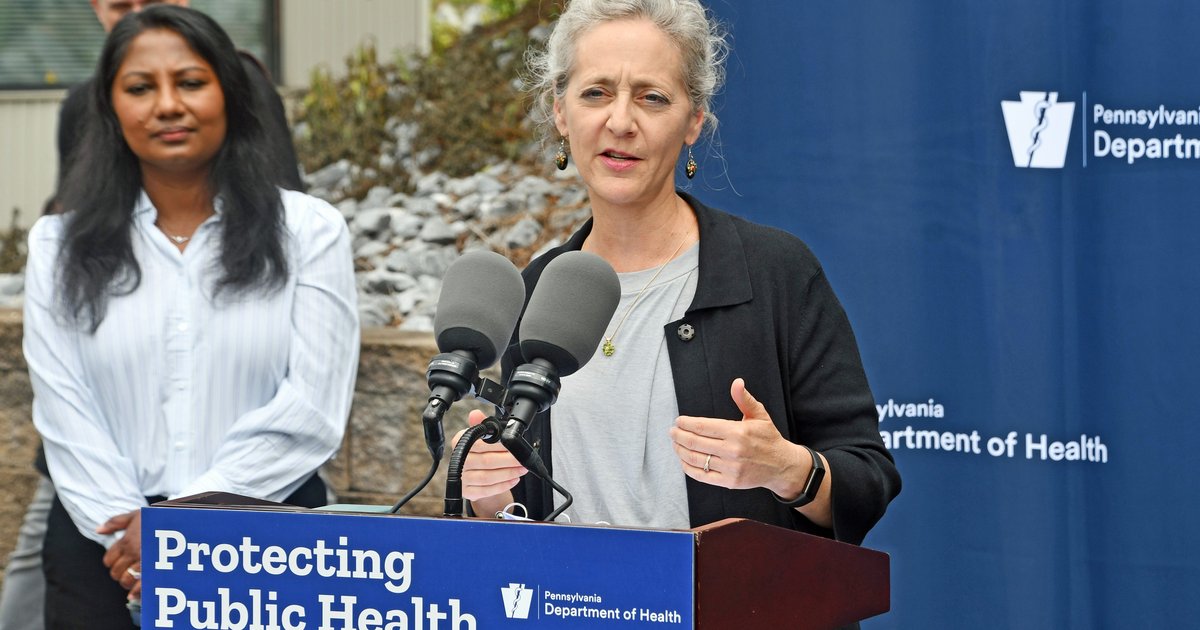
The rapid progression of the candidate is a reaction to the severity of the current epidemic. According to Dr Nicole Lurie, Executive Director Preparedness and Response at CEPI, the Bundibugyo epidemic is already the third-largest Ebola outbreak on record, with infection numbers continuing to rise.
"This milestone comes after only 57 days since the World Health Organization declared the outbreak a public health emergency of international concern."
Professor Teresa Lambe OBE, Calleva Head of Immunology at the Oxford Vaccine Group and Pandemic Sciences Institute, via ovg.ox.ac.uk
While the Phase I trial is the first step, preparations for further clinical studies are underway in Uganda, pending regulatory approval. These efforts involve the London School of Hygiene and Tropical Medicine Uganda Research Unit and the Medical Research Council/Uganda Virus Research Institute.
Future Outlook
If the Phase I results are successful, CEPI intends to collaborate with the Serum Institute of India and the University of Oxford to support late-stage trials. These subsequent studies would be used to generate the data necessary for licensure or emergency use authorisation.
Dr Jean Kaseya, Director General of the Africa Centres for Disease Control and Prevention (Africa CDC), noted that while early trials are not an immediate solution for those currently facing the outbreak, they are critical for building tools for both the current and future responses.
The partners have stated their commitment to ensuring that the resulting vaccines are affordable and can be supplied rapidly to the affected populations.
How significant is this development?
Participate in our community survey on the trajectory and real-world impact of this news.