Urine liquid biopsy improves detection of bladder, kidney and prostate cancer
A study suggests urine-based liquid biopsy can detect genetic fragments of bladder cancer and improve prostate cancer detection. While showing promise, the technology remains in the validation phase.
- Headline Dispatch: Urine liquid biopsy improves detection of bladder, kidney and prostate cancer
- Core Takeaway: A study suggests urine-based liquid biopsy can detect genetic fragments of bladder cancer and improve prostate cancer detection. While showing promise, the technology remains in the validation phase.
- Source Synthesis: Continuous live monitoring aggregated across major news wires and independent bureaus.
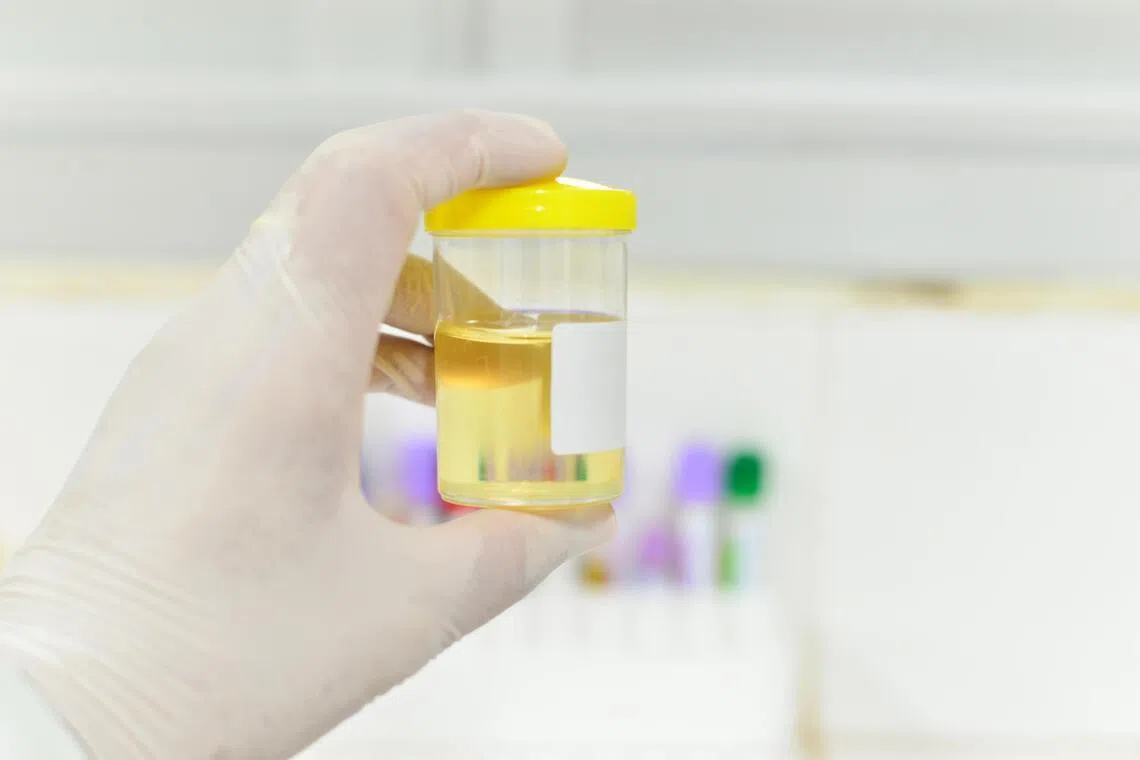
Urine-based liquid biopsy is emerging as a non-invasive diagnostic alternative to traditional tissue sampling for the detection of bladder, kidney, and prostate cancers. By identifying microscopic genetic fragments or protein biomarkers shed by tumors into the urinary tract, this technology aims to provide earlier, less painful detection methods for patients while reducing the reliance on invasive procedures.
A study conducted in Singapore and presented at the American Society of Clinical Oncology Singapore Conference 2026 in June suggests that liquid biopsy effectively detects bladder cancer by analyzing genetic fragments of tumors. Researchers reported that this method identified cancer-associated changes in 92.3 per cent of bladder cancer cases. The research, a collaboration involving Singapore General Hospital, Lucence, and the Diagnostics Development Hub, found that 7 in 10 bladder cancer cases detected via this method were of higher risk, compared to 3 in 10 using conventional urine cytology. Furthermore, the analysis of RNA in urine samples improved prostate cancer detection to 40 per cent, a jump from the 6.7 per cent detection rate observed when analyzing only DNA.
While the detection of kidney cancer remains a challenge, with a sensitivity of 14.3 per cent, researchers view urine as a feasible and robust specimen. Kenneth Chen, the study's principal investigator, noted that the test offers a convenient alternative to invasive diagnostics. However, officials emphasize that the technology remains in the validation phase. Larger studies are required to optimize the approach and determine the specific clinical scenarios where the test provides the most benefit. The timeline for full clinical deployment depends on these upcoming validation outcomes.
The urgency for such diagnostic advances is highlighted by current limitations in the National Health Service (NHS). According to data from July 2025, just 28.6 per cent of individuals referred for urgent urological cancer screenings received a diagnosis within four weeks. Many patients experience significant delays, with some waiting up to a year from the initial onset of symptoms to a diagnosis. As a result, approximately one in five patients is diagnosed at stage 4, when the cancer has spread and is often incurable. Prof Grant Stewart of the University of Cambridge noted that kidney cancer frequently presents with subtle symptoms that can be misattributed, leading to diagnostic delays that limit treatment options.
The broader scientific community is exploring various applications for urine-based testing. This includes the development of the MUMIE (minimal urine methods in experiments) framework to standardize reporting, as well as experimental methods such as nanopore sensing to identify specific peptide signatures. Research initiatives like the UroPanc Trial are evaluating urinary biomarker panels for pancreatic cancer, while others are investigating bacteria engineered to detect polyps by tracking salicylate levels in urine.
Despite these innovations, the path to clinical integration involves addressing hurdles such as the requirement for high-accuracy results to justify medical use. While some tests, such as MyProstateScore 2.0, are commercially available, they are not FDA-approved. Ongoing efforts, such as the POSEIDON program, continue to pursue the development of at-home self-screening tests capable of detecting multiple cancer types. As researchers continue to refine these molecular profiling tools, the medical community looks toward upcoming national cancer plans and updated clinical guidelines to incorporate these breakthroughs, with the ultimate goal of improving patient outcomes through earlier intervention.
How significant is this development?
Participate in our community survey on the trajectory and real-world impact of this news.