AMD Radeon drivers reveal hidden FSR Multi-Frame Generation 8x settings
Hidden configurations in recent AMD Adrenalin drivers point to the testing of an 8x frame generation feature. This technology appears aimed at RDNA 4 architecture and may surpass existing frame generation capabilities.
- Headline Dispatch: AMD Radeon drivers reveal hidden FSR Multi-Frame Generation 8x settings
- Core Takeaway: Hidden configurations in recent AMD Adrenalin drivers point to the testing of an 8x frame generation feature. This technology appears aimed at RDNA 4 architecture and may surpass existing frame generation capabilities.
- Source Synthesis: Continuous live monitoring aggregated across major news wires and independent bureaus.
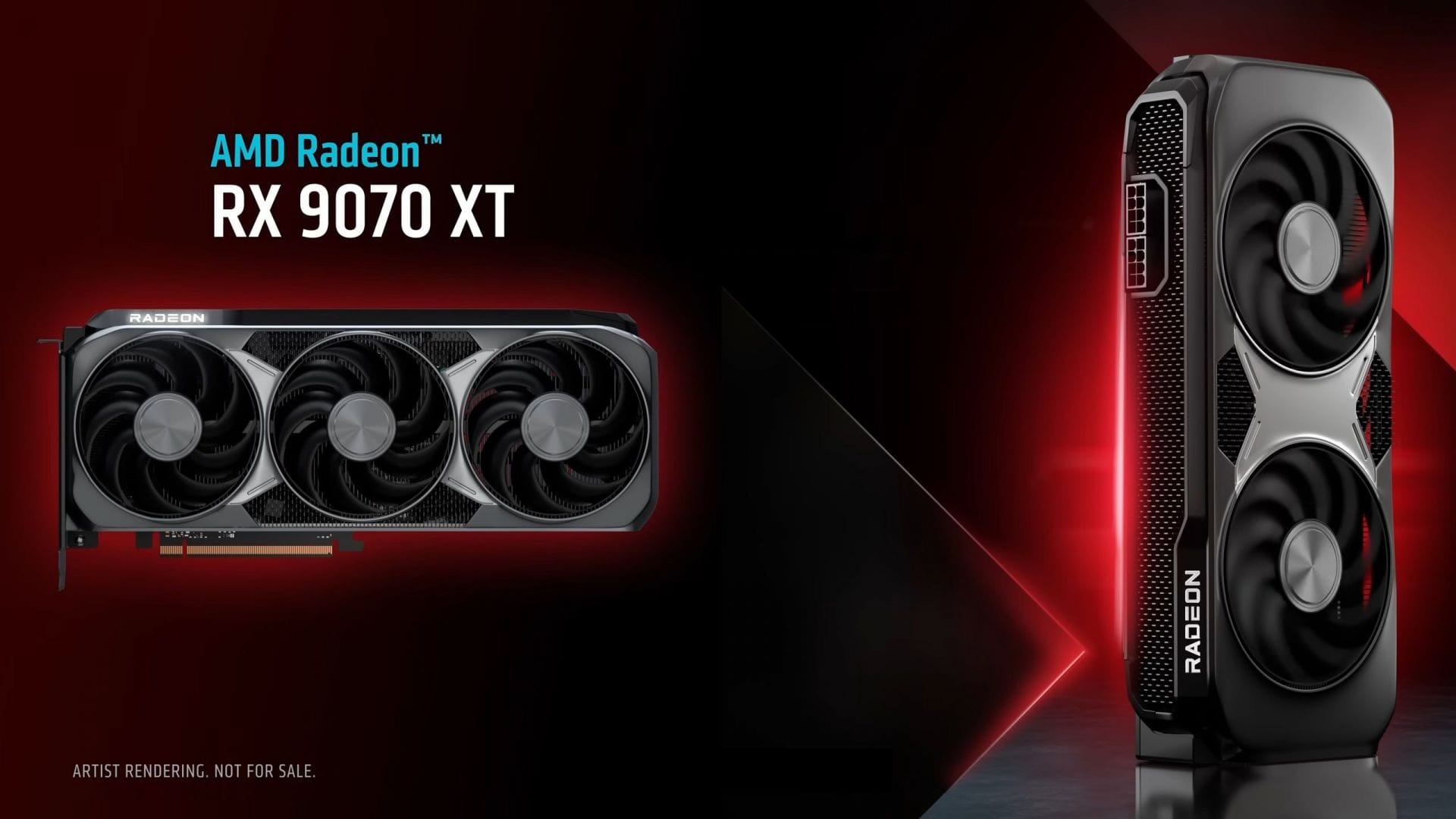
Hidden settings within the latest AMD Adrenalin drivers have surfaced, suggesting that the company is actively testing FSR Multi-Frame Generation (MFG) with capabilities reaching up to 8x. These features were discovered by a user on the ChipHell forum, who accessed the configurations by utilizing the third-party application RadeonTuner in place of the standard Adrenalin software interface. The discovery is associated with the Adrenalin 26.6.2 WHQL driver, specifically when running on an AMD Radeon RX 9070 XT graphics card.
The RadeonTuner utility exposed a series of previously undocumented options, including an "FSR Multi-Frame Generation Ratio" that permits selection up to 8x, alongside an "FSR Multi-Frame Generation Override." While the standard Adrenalin suite does not list these parameters, their presence in the driver code indicates that development is ongoing. According to the developer of RadeonTuner, AMD frequently integrates such settings into drivers months prior to an official public release. These placeholders often remain non-functional initially, serving as a framework for third-party developers to prepare compatibility tools ahead of the official launch.
Industry observations suggest these features appear restricted to RDNA 4 architecture, likely limiting official support to Radeon RX 9000 series hardware. This trajectory aligns with AMD's recent reliance on machine learning for its graphics technologies, such as FSR 4 and its related Ray Regeneration and Neural Radiance Caching features. Similar to the MFG settings, overrides for these rendering technologies were also detected via RadeonTuner, potentially allowing users to apply them across a broader range of titles than those officially supported by the developer.
The move toward an 8x ratio represents a significant shift in performance scaling. By generating seven additional frames for every single natively rendered frame, this implementation would surpass the current output levels offered by competing technologies from Intel or NVIDIA. Such a high frame generation count necessitates robust frame-pacing and latency mitigation; consequently, observers anticipate that AMD will pair this rollout with updates to its existing Anti-Lag technologies to address potential input delay.
Evidence of this development is not limited to the driver files alone. Documentation for the ADLX FidelityFX SDK has been updated to reference a "Frame Generation Upgrade Ratio Option," which mirrors the functionality exposed by RadeonTuner. Unlike fixed-multiplier systems, this documentation suggests a system where users or developers might select a ratio to balance performance and visual quality. Some industry analysts note that this could evolve into dynamic frame generation, allowing the hardware to sync generated frame counts directly with a monitor’s specific refresh rate to maintain a consistent experience.
The appearance of these overrides within the Adrenalin 26.6.2 driver confirms that the company is deep into the testing phase, yet users should not expect an immediate public rollout in the next software update. As testing continues, the industry remains focused on whether AMD will restrict this functionality exclusively to its newest hardware or if future iterations might open the technology to older GPU generations.
How significant is this development?
Participate in our community survey on the trajectory and real-world impact of this news.