Younger generations are aging faster biologically and face higher cancer risk
New research reveals a widening gap between chronological and biological age in younger adults, correlating with a higher incidence of early-onset solid cancers.
- Headline Dispatch: Younger generations are aging faster biologically and face higher cancer risk
- Core Takeaway: New research reveals a widening gap between chronological and biological age in younger adults, correlating with a higher incidence of early-onset solid cancers.
- Source Synthesis: Continuous live monitoring aggregated across major news wires and independent bureaus.
Younger generations are aging faster biologically and face higher cancer risk
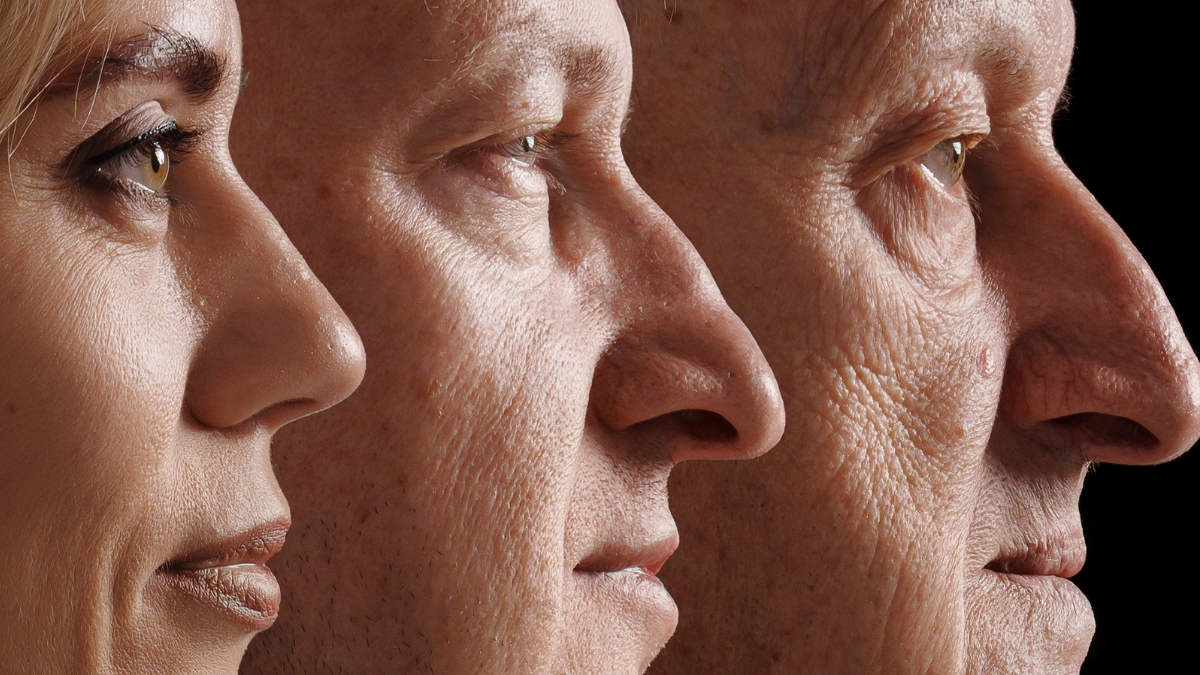
Recent research suggests that Millennials and Gen Z are aging faster biologically than previous generations were at the same chronological age. This acceleration in biological aging—the condition of the body's systems regardless of birthdays—is being linked to a rise in early-onset cancers, defined as those diagnosed at age 55 or younger.
The study, published June 22 in Nature Medicine, was led by researchers at Washington University School of Medicine in St. Louis. The team analyzed health data from more than 154,000 adults in the UK Biobank and over 10,000 individuals in the US All of Us research program. The researchers focused on the "age gap," which is the difference between a person's actual age and their biological age as determined by biomarkers.
Generational Shifts in Biological Age
The data revealed a consistent trend across both countries. In the United Kingdom, people born between 1965 and 1974 had a standardized PhenoAge-defined age gap that was 23 percent higher than those born between 1950 and 1954. The disparity was more pronounced in the United States, where participants born between 1990 and 1999 exhibited a 92 percent higher standardized age gap compared to those born between 1965 and 1969.
To determine these scores, researchers utilized systemic aging measures such as the Klemera-Doubal Method, metabolomic age scores, and PhenoAge. PhenoAge calculates biological age based on nine blood biomarkers, including glucose, albumin, creatinine, white blood cell counts, and CRP, a marker of inflammation.
Biological aging is driven by the accumulation of genetic damage in cells caused by habits, the air we breathe, the food we eat, and sun exposure. When this damage accumulates, cells can grow and divide out of control, leading to cancer.
Links to Early-Onset Cancer
The researchers found that a larger age gap correlates with a higher risk of cancer. For every standard-deviation increase in the age-gap score, the risk of early-onset solid cancers rose by 8 percent. Those with the most advanced systemic aging faced a 15 percent higher risk compared to those with the lowest levels.
The strongest association was observed with lung cancer, where the risk rose by 57 percent. Other significantly impacted areas included the digestive system and the uterus. These associations persisted even after accounting for obesity, smoking, genetic predisposition, and telomere length.
The study also identified organ-specific aging patterns:
- Immune system aging: Strongly associated with early-onset lung cancer.
- Adipose (fat) tissue aging: Strongly associated with early-onset colorectal cancer.
Drivers of Accelerated Aging
While the study does not provide a single definitive cause for the rise in early-onset cancers, researchers pointed to a combination of modern environmental and lifestyle factors. Key drivers include:
- Obesity and metabolic dysregulation.
- Poor diet quality and alcohol consumption.
- Sedentary behavior and physical inactivity.
- Circadian disruption.
The Path to Prevention
Experts suggest that biological age is not fixed. Dr. Andy Gaya, a consultant oncologist at Cromwell Hospital in London, noted that biological age can be manipulated through cancer prevention strategies.
"If we can identify younger people with the highest cancer risk when they are still healthy, we can focus on prevention and early-detection strategies for the individuals who will benefit most,"
Yin Cao, molecular epidemiologist at Washington University School of Medicine in St. Louis, via ScienceAlert
The research was supported by Cancer Grand Challenges, a global initiative co-founded by Cancer Research UK and the US National Cancer Institute. David Scott, director of Cancer Grand Challenges, stated that the study helps show that cancer may be influenced by wider changes across the body as a whole rather than just changes inside individual cells.
The next goal for the research team, including the PROSPECT team co-led by Yin Cao, is to decipher how societal and environmental changes leave biological imprints. This effort aims to transition cancer prevention from broad recommendations to personalized interventions based on an individual's specific biology.
How significant is this development?
Participate in our community survey on the trajectory and real-world impact of this news.