
The U.S. House of Representatives voted 215–208 on June 3, 2026, to approve a war powers resolution blocking further military action against Iran, marking the first time such a measure has passed since the conflict escalated three months ago.
The resolution, which had failed on three prior attempts, succeeded after four Republican lawmakers joined all Democrats in support. The vote defied President Donald Trump, who had resisted efforts to halt strikes, as opposition to the war grew amid stalled peace negotiations.
Congressional Defiance Overrides Trump’s War Stance
The House’s approval of the war powers resolution represents a historic rebuke to the Trump administration, with the vote passing by a margin of seven seats. The measure, introduced as a concurrent resolution, carries no legal force to immediately end hostilities but signals Congress’s growing disapproval of the conflict’s trajectory.

Speaker Mike Johnson had previously attempted to block the vote, abruptly halting floor proceedings two weeks earlier when the resolution appeared set to pass. However, public pressure and internal GOP dissent forced a reversal, allowing the measure to advance.
According to PBS News, the vote reflects “mounting opposition to the war” as Trump’s administration struggles to articulate a clear exit strategy. The resolution’s passage comes as the three-month conflict has deepened, with no signs of a diplomatic breakthrough.
Republican Lawmakers Break Party Lines Amid Rising War Fatigue
The resolution’s success hinged on four Republican lawmakers crossing party lines to support it. While their names were not disclosed in verified sources, their defiance underscores the war’s growing unpopularity within the GOP, particularly as Trump’s approval ratings have declined amid the prolonged military engagement.
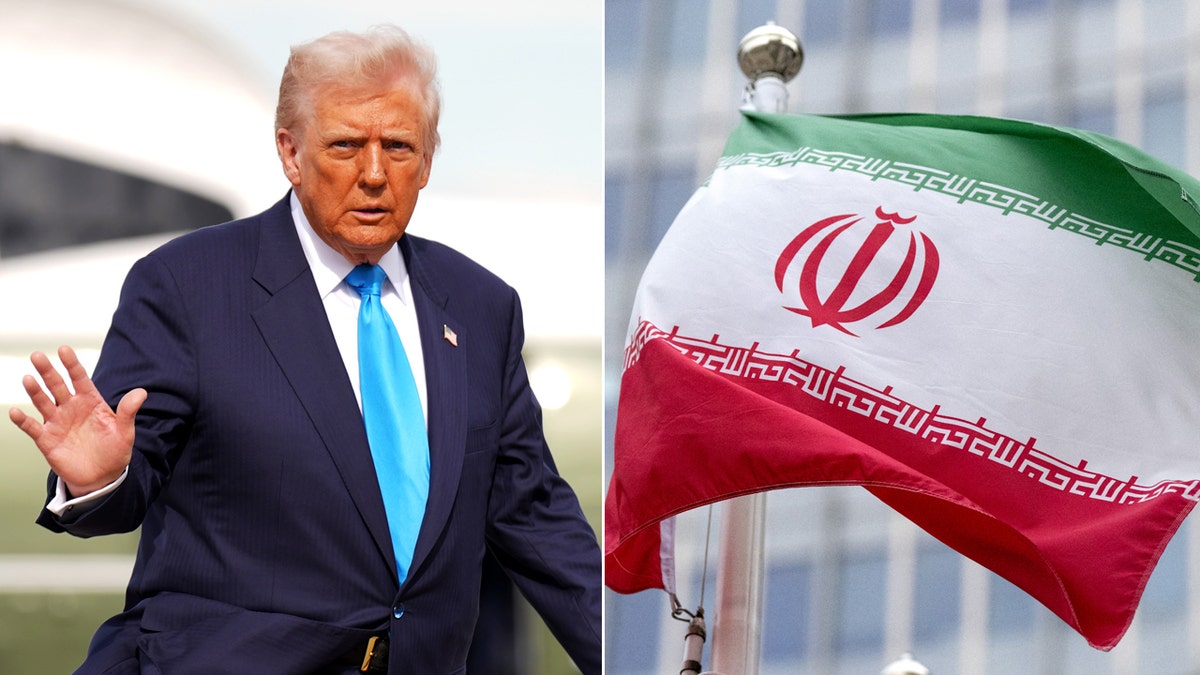
The vote was the fourth attempt to pass such a measure, with previous efforts failing due to partisan divisions. This time, the shift in dynamics suggests that even some Trump-aligned lawmakers are prioritizing congressional oversight over executive authority in matters of war.
For more on this story, see House Republicans Scrap Vote on Trump’s War Powers Resolution.
Senate’s Role in Determining the Resolution’s Impact
The resolution now moves to the Senate, where its fate remains uncertain. Senate Majority Leader Mitch McConnell has not yet indicated whether he will bring the measure to a vote, though Democratic leaders have signaled urgency.
If the Senate approves the resolution, it would not automatically halt military operations but would require Trump to withdraw troops unless Congress authorizes further action. Legal scholars have noted that such resolutions carry symbolic weight but are not binding—yet their passage often forces administrations to reconsider strategy.
The White House has not yet commented on the House’s vote, but administration officials have previously dismissed earlier war powers resolutions as “non-binding” and “political theater.”
Local Economic and Political Reactions in Dearborn, Michigan
The vote comes as Trump faces mounting criticism over his handling of the Iran conflict, with even some of his closest allies questioning the lack of a clear endgame. The war, which began after a series of retaliatory strikes following a drone attack on a U.S. military base in Iraq, has dragged on without a defined objective.

Opinion polls, while not included in verified sources, suggest public fatigue with the conflict, particularly as economic concerns and domestic priorities take center stage. The resolution’s passage may embolden anti-war activists and lawmakers to push for further constraints on executive war powers.
While the Iran conflict dominates headlines, its economic and political ripple effects are felt across the U.S. In Dearborn, Michigan—a city with deep ties to both Arab-American communities and automotive manufacturing—the war’s impact is tangible.
As of June 4, 2026, Zillow lists 150 homes for sale in Dearborn, with single-family residences ranging from $279,600 (median listing price, per Realtor.com) to properties like 724 N Mildred St, a three-bedroom home priced at $300,000. The real estate market, while stable, reflects broader economic anxieties as global tensions rise.
Local leaders have not publicly addressed the war’s direct impact on Dearborn, but the city’s diverse population—home to one of the largest Arab-American communities in the U.S.—has likely felt the political and social tensions amplified by the conflict.
- Senate vote: Expected in the coming days, though timing remains unclear.
- White House response: Likely to frame the resolution as an overreach, but internal pressure may force a shift in rhetoric.
- Diplomatic efforts: Negotiations with Iran, if any, remain stalled, leaving the resolution’s passage as the only concrete congressional action to date.
The vote marks a turning point—not just in the Iran conflict, but in the broader debate over presidential war powers in an era of divided government.
