
The June Bootids meteor shower, one of the most unpredictable celestial events of the year, is peaking this week—with skywatchers facing a cosmic gamble. The shower, active from June 22 to July 2, typically produces just a handful of meteors per hour, but in rare years like 1998 and 2004, it erupted into spectacular displays of up to 100 meteors hourly. This year, however, astronomers are bracing for disappointment: no outburst is forecast, according to the American Meteor Society and the International Meteor Organization. The shower’s parent comet, 7P/Pons-Winnecke, left behind a debris trail so uneven that Earth’s passage through it each June yields wildly varying results.
Why This Year’s Bootids Are a Bust—And What That Means for Stargazers
For most of its recorded history, the June Bootids have been a meteor shower in name only. The Royal Museums Greenwich notes that the shower’s zenithal hourly rate—astronomers’ shorthand for how many meteors a single observer might spot under ideal conditions—is labeled simply as “variable,” spanning from zero to over 100. In 2010, for example, astronomers predicted another outburst, only for the shower to deliver fewer than 10 meteors per hour. This year, the AMS confirms no unusual activity is expected, leaving skywatchers with two possibilities: near-total silence or a rare, unannounced storm.
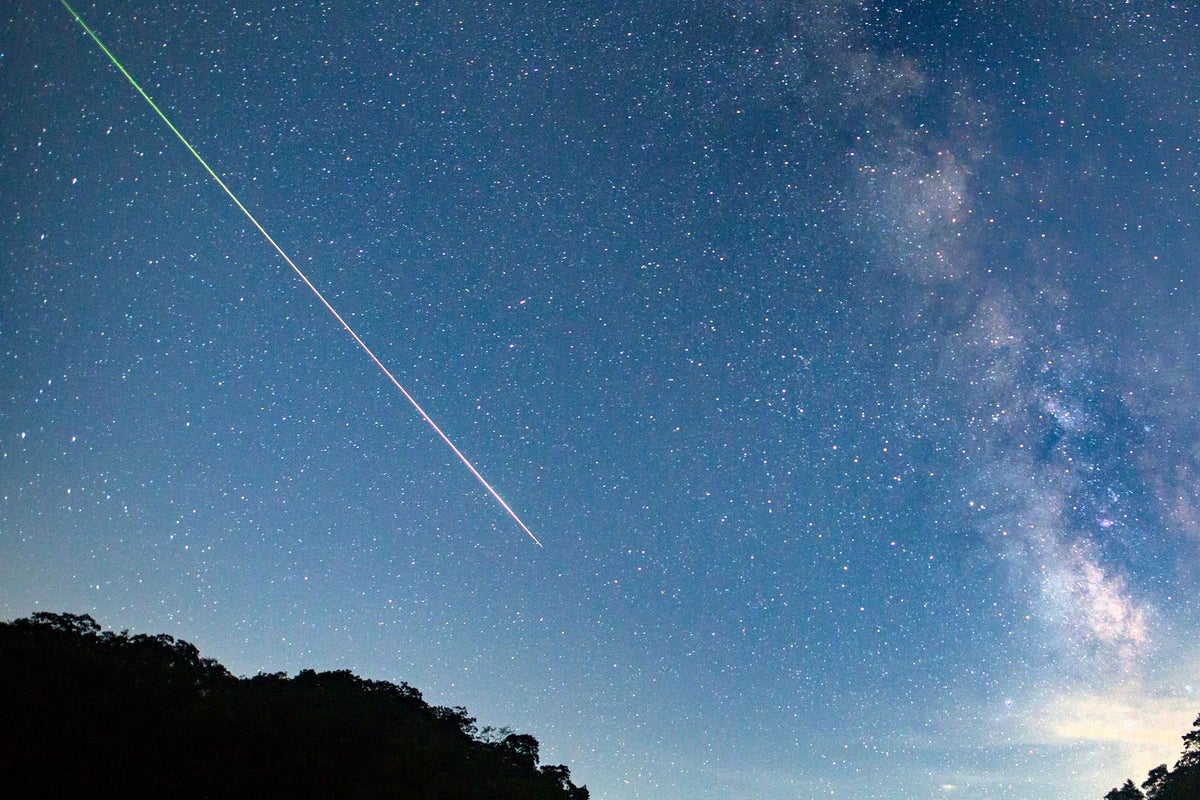
The shower’s unpredictability stems from the comet’s erratic debris trail. Comet 7P/Pons-Winnecke orbits the Sun every 6.3 years, shedding dust and ice in clumps rather than a uniform stream. When Earth intersects these dense pockets—usually every few decades—the result is a meteor shower that defies forecasting. The last major outburst, in 2004, produced around 50 meteors per hour, but the International Meteor Organization emphasizes that such events are the exception, not the rule. Most years, the Bootids are a whisper in the night sky.
The Bootids’ Chaotic History: From 1916 to 2026
Historical records paint a picture of a shower that thrives on chaos. The first documented outburst occurred in 1916, followed by smaller displays in 1921 and 1927—though the reliability of these early observations is debated. Then came 1998, when the Bootids delivered their most famous performance: up to 100 meteors per hour, sustained for over 12 hours. The shower repeated the feat in 2004, but the Royal Museums Greenwich points out that these events were preceded by no warning. “You might see almost nothing,” the organization advises. “You might see a storm. We cannot tell you which.”
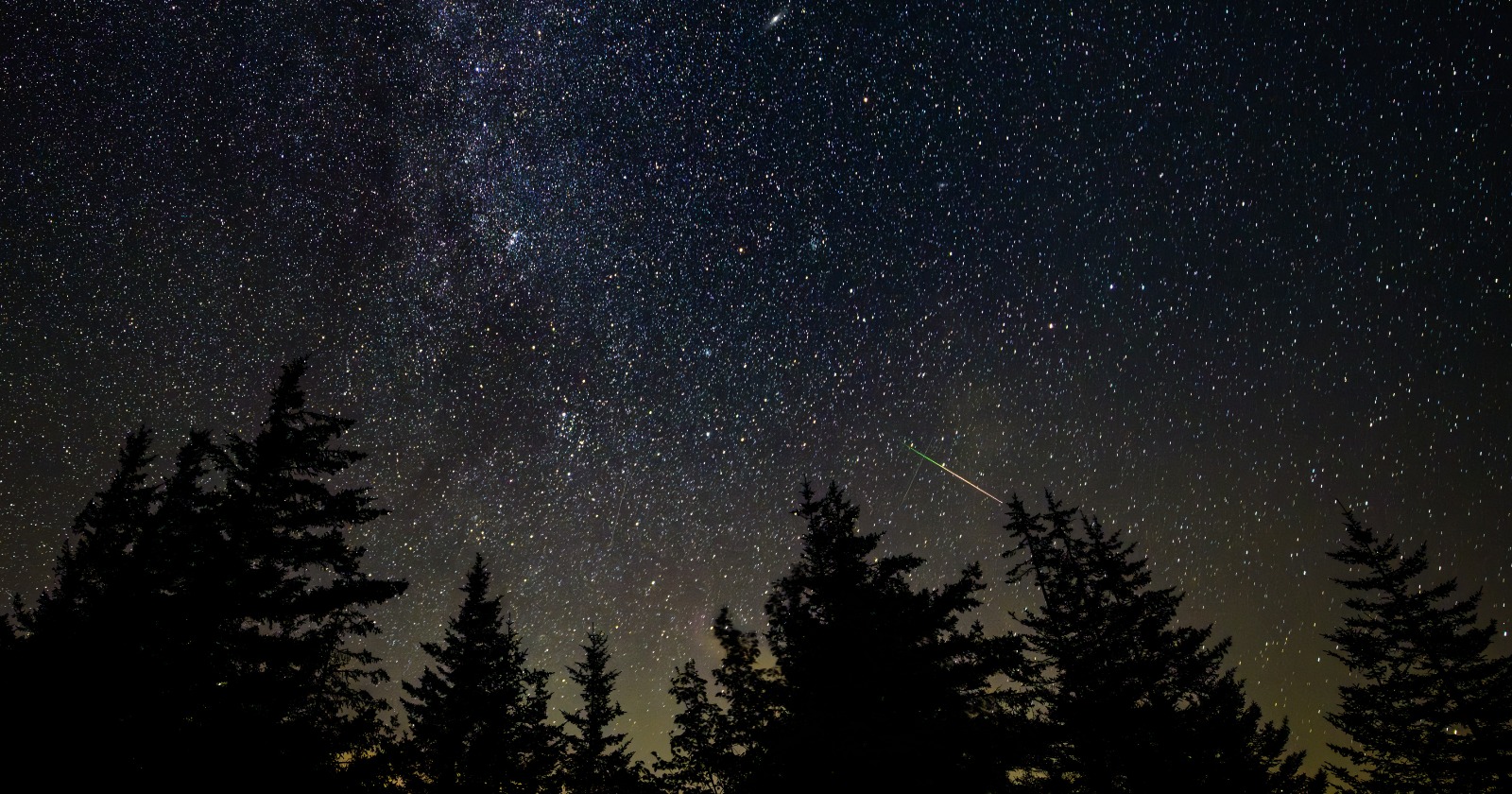
This unpredictability is what makes the Bootids so compelling—and so frustrating. Unlike the Perseids or Leonids, which follow predictable patterns tied to their parent comets, the Bootids operate on a schedule only their comet seems to understand. The Museum of Science tweeted last week that the shower is active from June 11 to July 2, with the peak expected around June 26. But even that timeline is flexible. In 2010, astronomers anticipated another outburst—none materialized. This year, the AMS reports that the shower’s weak annual maximum is set for June 22, with rates hovering near zero.
How to Watch (or Not Watch) the Bootids This Year
If you’re planning a meteor shower marathon, the Bootids offer a lesson in patience—and humility. The shower’s radiant, the point from which meteors appear to emanate, lies in the constellation Boötes, high in the western sky for Northern Hemisphere observers. The Independent notes that this year’s short summer nights and lingering twilight will further limit viewing opportunities. Even under ideal conditions, the Bootids are slow-moving—traveling at just 18 kilometers per second compared to the Leonids’ 70 km/s—meaning any meteors that do appear will be leisurely streaks rather than quick flashes.

For those willing to take the gamble, the Royal Museums Greenwich offers a simple strategy: “Lie on a blanket, face the constellation Bootes in the west-southwest, keep the Moon out of your direct line of sight, and wait.” The key is to avoid staring directly at the radiant—meteors are easier to spot when viewed from the periphery. And if you’re in the Northern Hemisphere, you’re in luck: the radiant sits much higher in the evening sky there than for Southern Hemisphere observers.
But don’t expect fireworks. The AMS predicts total hourly rates of just 3 for mid-northern latitudes and 4 for tropical southern locations during the peak nights of June 20–26. Morning observers might see slightly better rates—around 8 in the north and 12 in the south—but even those numbers are modest. For comparison, the Perseids, which peak in August, typically deliver 50–100 meteors per hour under ideal conditions.
What Happens Next? The Bootids’ Uncertain Future
The Bootids’ next outburst could arrive decades from now—or tomorrow. Comet 7P/Pons-Winnecke last passed near the Sun in May 2021, and while its debris trail is the source of the shower, astronomers have no way to predict when—or if—Earth will intersect a dense pocket. The International Meteor Organization warns that the shower’s behavior is tied entirely to where the comet’s dust has drifted, a process that defies long-term forecasting.
For now, skywatchers are left with two options: embrace the uncertainty or move on to more reliable shows. The Bootids are a reminder that the universe doesn’t always follow the script. As the Independent puts it, “You might see almost nothing. You might see a storm.” Either way, the Bootids deliver a lesson in cosmic humility—and perhaps the most exciting meteor shower of the summer, if only because no one knows what to expect.
For those who prefer predictability, the Royal Museums Greenwich recommends saving your stargazing for the Perseids in August, when the skies are guaranteed to put on a show.
Find more reporting in our Technology section.
