
Richard Garriott, the creator of the iconic Ultima role-playing series, plans to reclaim the franchise’s copyrights from Electronic Arts by 2027 using a provision in United States copyright law. While EA recently filed new trademarks for the brand, legal experts suggest these filings do not block Garriott’s potential claim to the original work.
The 35-Year Copyright Reclaim Strategy
The legal path for Richard Garriott hinges on a specific rule within United States copyright law that allows original creators to terminate previous transfer agreements 35 years after the initial rights were handed over. This provision, found under Section 203 of the Copyright Act of 1976, was designed to protect authors from unfavorable deals made early in their careers when they lacked bargaining power. By allowing creators to reclaim rights to their works, the law recognizes the long-term value of intellectual property that may have been undervalued at the time of the original transaction.
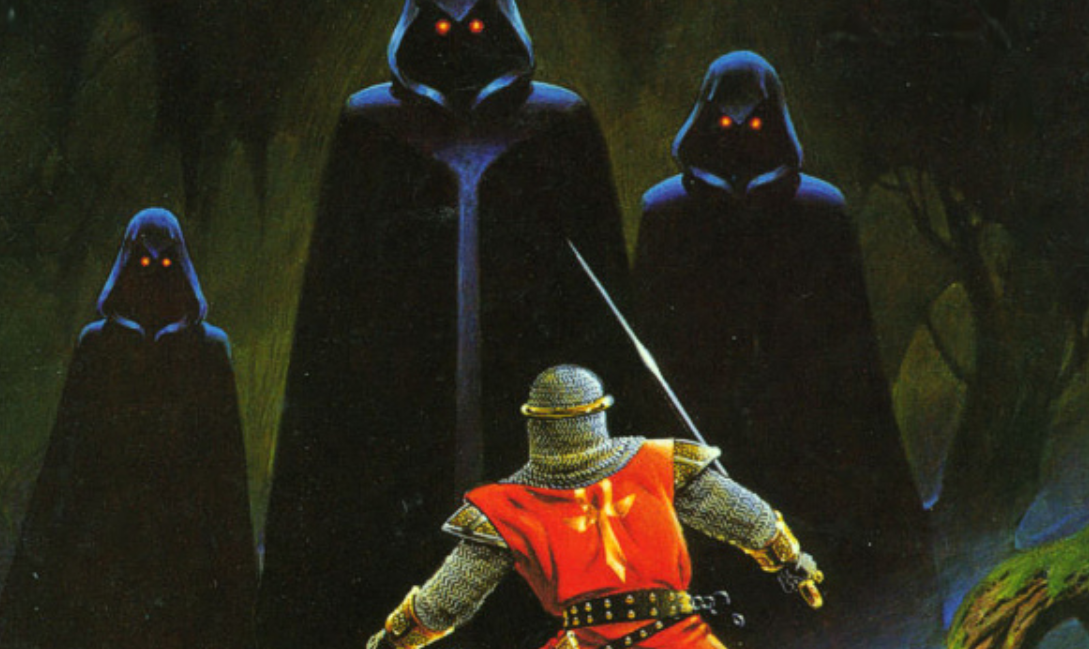
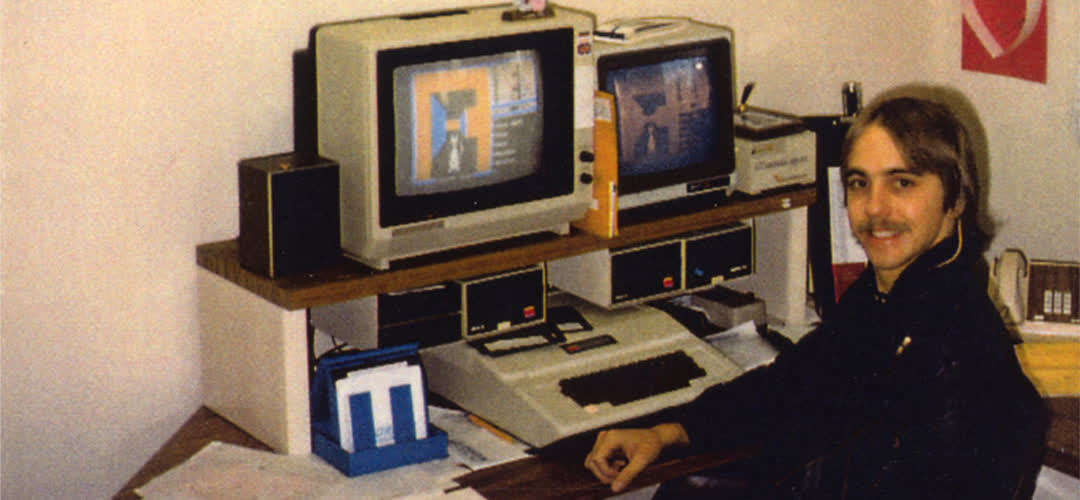
Because Garriott sold his studio, Origin Systems, to Electronic Arts in 1992, the timeline for this termination clause is set to expire in 2027, according to reporting by Kotaku. This process is not automatic; it requires the creator to serve formal notice to the current rights holder within a specific window—no earlier than two years and no later than ten years before the effective date of termination. Garriott has signaled his intent to navigate these precise administrative requirements to ensure the rights revert to him as the original author.
Garriott, who has expressed public frustration over stalled attempts to revive the series, views this as a necessary step after years of failed negotiations. As noted by TechSpot, Garriott has confirmed his intention to move forward, stating:
“And so, I have been waiting… finally, the time has come!”Richard Garriott, via TechSpot
Electronic Arts and the Trademark Conflict
While the copyright reversal could return the underlying creative work to Garriott, the situation is complicated by the distinction between copyright and trademark law. Copyright protects the expression of the creative work itself—the characters, the plot, and the written code—whereas trademark law protects the commercial identity of the brand, including the name “Ultima” and its associated logos. Electronic Arts maintains control over the Ultima name and associated branding through active trademark filings. Recent reports from VICE confirm that EA has filed two fresh trademarks this week, specifically covering online computer games under Class 041 and downloadable software under Class 009.
Industry observers, including analysts cited by Technetbook, suggest these filings are distinct from previous registrations, indicating that EA may be looking to develop new software within the Ultima world. The filing of new trademarks often serves as a defensive measure to prevent the brand from becoming abandoned, which can happen if a company ceases to use a trademark in commerce. However, this does not necessarily preclude Garriott from using his reclaimed copyrights. The creator has suggested he might pursue a project titled “Lord British’s Ultima,” though he acknowledged the ambiguity of his next steps:
“hope to have more thoughts together about what that will actually mean.”Richard Garriott, via Kotaku
Historical Context and Future Outlook
The Ultima franchise holds a significant place in gaming history, originating in 1981 and peaking with influential titles throughout the 1990s. EA purchased Origin Systems from Garriott in 1992 for $30 million, a deal that included the rights to the series. Since the release of 1999’s Ultima IX: Ascension, the mainline series has remained largely dormant, despite the enduring popularity of Ultima Online, which debuted in 1997 and remains one of the longest-running massively multiplayer online games in history.
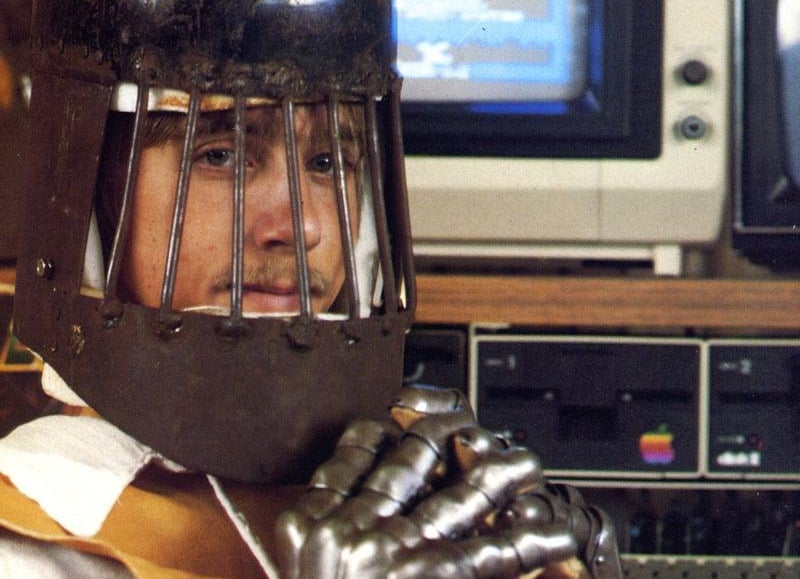
The acquisition of Origin Systems by EA was a defining moment in the 1990s gaming industry, marking the transition of independent studios into large-scale corporate entities. For many, the “Ultima” brand represents the foundational era of Western computer role-playing games, emphasizing player choice and systemic interaction. As reported by ixbt.games, the interest in the franchise remains high among modern developers, including Swen Vincke, the creator of Baldur’s Gate 3, who has frequently cited the influence of the Ultima series on his own design philosophy.
The potential for a “split” franchise—where one entity owns the trademark and another owns the copyright—is a complex legal scenario. If Garriott successfully reclaims the copyright, he would own the rights to the specific narrative content and characters created during his tenure. However, he would still be restricted by EA’s trademark, meaning he could potentially produce creative works while being unable to market them under the “Ultima” name without a licensing agreement or legal resolution. With Garriott expected to discuss his plans further at Dragon Con later this year, the industry is watching to see if the 2027 legal window results in a unique resolution to one of gaming’s most high-profile intellectual property disputes.
Find more reporting in our Technology section.
