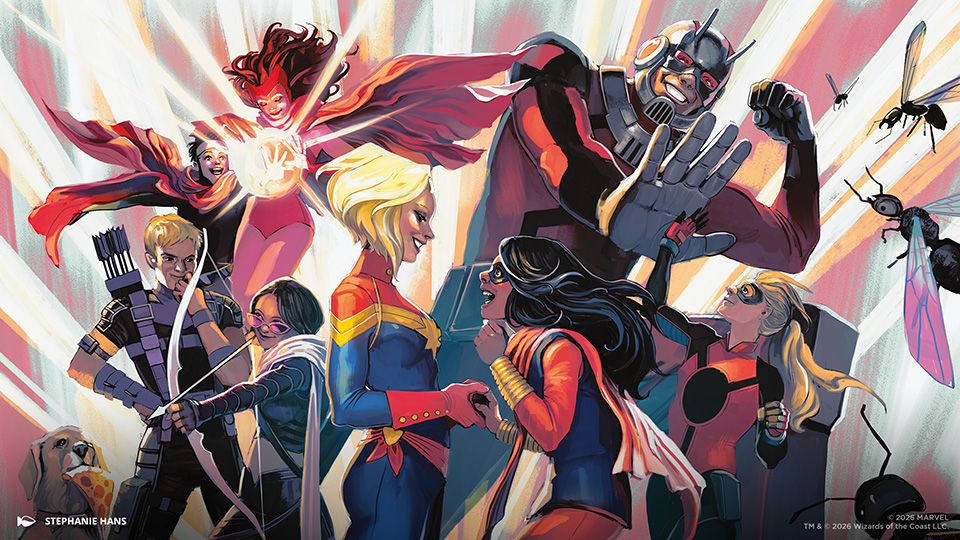
The Marvel Universe is coming to Magic: The Gathering in a crossover event that blends comic-book lore with card-game strategy, with the Marvel Super Heroes set launching June 26, 2026—and fans already have a roadmap for collecting, playing, and debating the most thematically ambitious set in years.
Magic: The Gathering’s latest Universes Beyond set is a love letter to Marvel’s most iconic characters, mechanics, and storytelling, but it’s also a bold experiment in how to translate superhero tropes into card-game rules. From Wolverine’s unkillable healing ability to the Infinity Stones as collectible centerpieces, this set isn’t just another crossover—it’s a test of whether Magic can push its own boundaries while staying true to the source material. With preorders open and the release date locked in, the real question isn’t just what’s in the boxes, but how players will wield these new mechanics—and whether the set’s design choices will spark the kind of debate that defines Magic’s most divisive (and beloved) releases.
A Beginner’s Guide to the Marvel Set—And Why It’s Built for New Players
If Wizards of the Coast had one goal for Magic: The Gathering | Marvel Super Heroes, it was to make Marvel accessible. The set’s Beginner Box—priced at $34.99 USD—is the gateway. Inside, you’ll find two tutorial half-decks: one built around Iron Man’s tech-driven aggression, the other around Captain America’s disciplined leadership. These aren’t just starter decks; they’re on-ramps. The box includes two playmats, 10 monocolor half-decks spanning Marvel’s color palette (red for Hulk, blue for Doctor Strange, etc.), and enough tokens to teach the basics without overwhelming new players. For fans who’ve never touched a Magic card, this is the perfect introduction. For veterans, it’s a chance to relive the nostalgia of their first deck—except now, it’s Spider-Man or Black Panther leading the charge.

The set also leans into Marvel’s storytelling with Jumpstart Boosters, which mix two boosters into a chaotic, character-driven experience. Want to draft a deck with Wolverine, Storm, and Thanos? You can. The randomness mirrors Marvel’s unpredictability—one turn you’re assembling the Avengers, the next you’re facing off against the Mad Titan. It’s a high-risk, high-reward way to dive into the set’s broader roster, which includes reprints of fan-favorite cards (like Defense of the Heart) paired with Marvel’s iconic artwork.
The Infinity Stones: Marvel’s Most Valuable Collectibles—And Why They’re the Set’s Crown Jewels
No Marvel set would be complete without the Infinity Stones, and Wizards is treating them like the holy grails they are. The Mind Stone isn’t just a card—it’s a collectible trilogy. There’s the standard main-set version, a borderless Gauntlet card showing Thanos clutching it, and a textless cosmic foil so rare it feels like holding a piece of the Marvel Cinematic Universe itself. These aren’t just flex pieces; they’re statements. The Gauntlet version, in particular, is a visual masterpiece, blending Marvel’s signature art style with Magic’s mechanical precision. For collectors, it’s the ultimate bragging right. For players, it’s a reminder that even in a digital age, there’s still magic in the physical.

The set also reimagines classic comic-book art as borderless cards, like Elektra’s sleek assassin aesthetic or Thanos’ imposing titan form. These aren’t just reprints—they’re homages. Each card marries Marvel’s legendary illustrators (Jack Kirby, Alex Ross) with Magic’s design language, creating something that feels like stepping into a comic page. For Commander players, these are the kind of showstoppers that turn a deck into a story. And with logo cards for Scarlet Witch and Vision, the set ensures even casual fans can flex their fandom with bold, recognizable designs.
Wolverine’s Healing Ability: A Rule-Bending Move That’s Sparking Debate
Wolverine, Fierce Fighter isn’t just another Gruul creature. It’s a mechanics-defying experiment that’s already dividing the Magic community. The card’s ability—“If damage would be dealt to Wolverine, instead, that damage is dealt, but all other damage already dealt to him is healed”—doesn’t just make him tanky. It rewrites how damage resolution works. Block him with five 1/1s, and he’ll take one damage, heal, take one more, heal again, and so on. The only way to kill him? A single, massive blow. It’s a thematic power move for Marvel’s most resilient hero, but it also raises questions: Is this ability too strong? Too weak? Or just a clever way to make Wolverine feel like Wolverine?
The real debate isn’t just about balance—it’s about innovation. Magic has always been about breaking rules, but Wolverine’s ability feels like a step further. Damage doesn’t “go on the stack” in Magic, meaning there’s no way to respond to damage after it’s declared. So Wolverine’s healing is immediate, automatic, and (in theory) uncounterable. Some fans see this as a missed opportunity; others argue it’s a bold stroke that proves Wizards is willing to experiment with Universes Beyond. Either way, it’s a card that’ll be dissected in drafts, Commander tables, and online forums for months.
New Mechanics: Power-Up and Worthy—How Marvel’s Tropes Became Magic Rules
Magic: The Gathering has always borrowed from its Universes Beyond partners, but Marvel Super Heroes takes that to a new level with two standout mechanics: Power-Up and Worthy. Power-Up lets players tap into a hero’s (or villain’s) superpower by paying a reduced cost if the card enters the battlefield that turn. Captain Marvel’s ability, for example, costs two white and three colorless mana less if she’s played the same turn the effect is activated. It’s a streamlined way to reward aggressive plays, mirroring Marvel’s “big moment” storytelling.
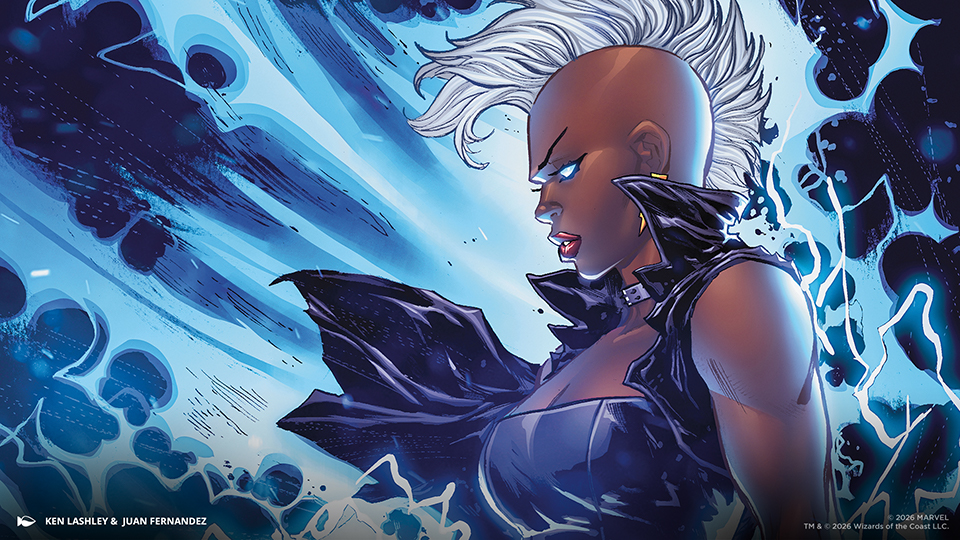
Worthy, meanwhile, is a callback to Mjolnir’s legendary lore. In Marvel, only a handful of heroes—Captain America, Thor, Steve Rogers—have ever been deemed worthy to lift the hammer. In Magic, the bar is lower: any red or white creature that isn’t a Villain can wield it. It’s a clever nod to the source material while keeping the mechanic accessible. For players, it’s a way to flavor their decks with Asgardian power, whether they’re running a red-white aggro deck or a white-blue control list. And with cards like Thor, God of Thunder and Captain America, Shield-Bearer in the set, the synergy is built-in.
What Comes Next: Preorders, Drafts, and the Future of Universes Beyond
The Marvel Super Heroes set isn’t just a one-off event—it’s a blueprint for how Wizards of the Coast plans to expand its Universes Beyond program. With preorders already open, the set is poised to break sales records, especially if it follows the trajectory of Secrets of Strixhaven (the best-selling in-universe set) and Universes Beyond: Final Fantasy (the best-selling set of all time). But the real test will be how players adapt to its mechanics. Will Power-Up become a staple in Limited formats? Will Worthy turn Mjolnir into a Commander staple? And will Wolverine’s healing ability force Wizards to tweak the rules—or will it become a defining moment for how Magic handles damage resolution?
One thing is certain: this set isn’t just about collecting cards. It’s about collecting moments. Whether you’re a Marvel die-hard, a Magic veteran, or a new player lured by the promise of Spider-Man and Iron Man on your playmat, Marvel Super Heroes is designed to make you feel like you’re part of the story. And in a game where strategy and fandom collide, that might be the most powerful move of all.
For now, the only thing left to do is preorder, draft, and prepare for the debate—and the battles—to come.
