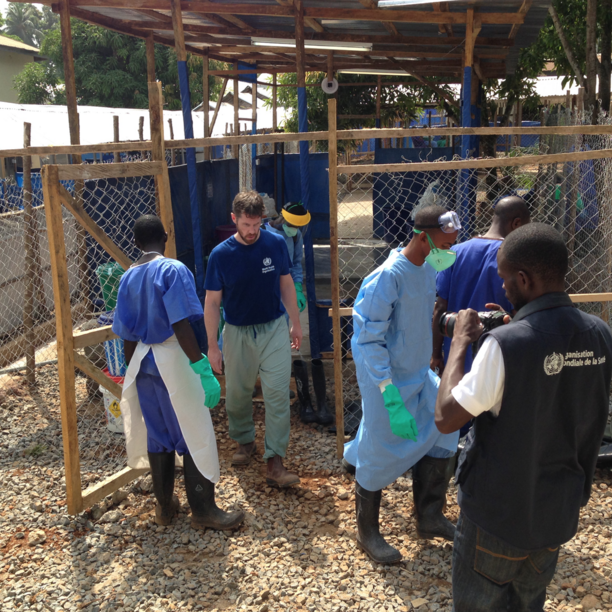
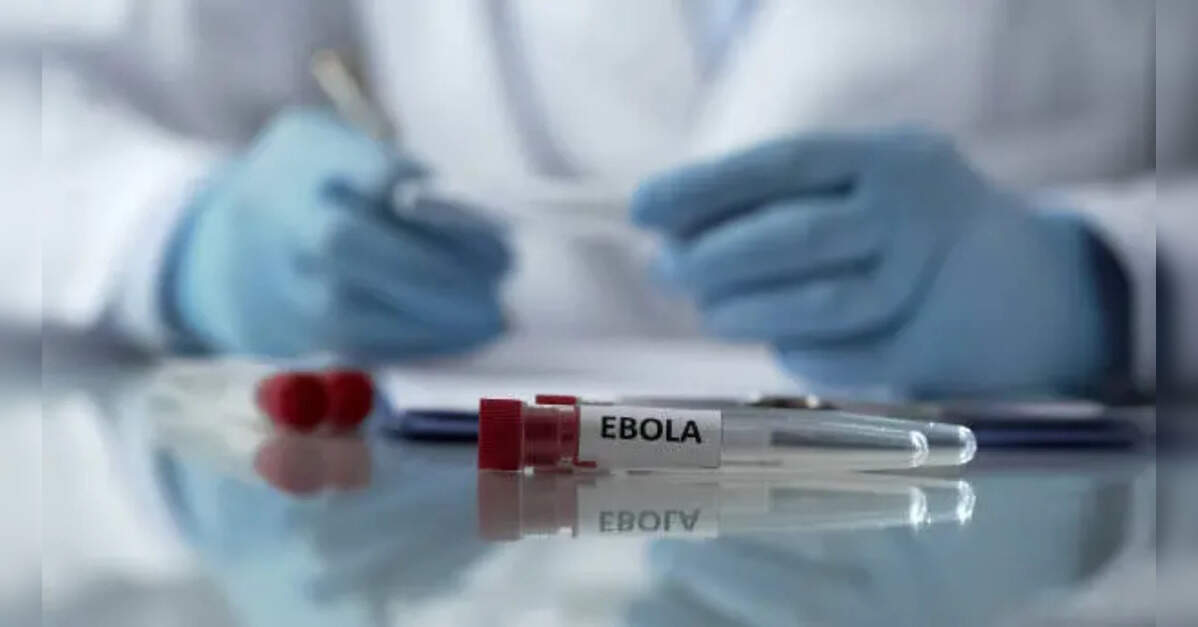
The Democratic Republic of the Congo (DRC) is currently the epicenter of a surging Ebola outbreak, with suspected cases exceeding 1,000 as of June 2, 2026. The outbreak involves the Bundibugyo strain of the virus, a rare species for which there is currently no approved vaccine or targeted treatment, according to the World Health Organization.
The Bundibugyo Strain and Diagnostic Challenges
Unlike the more common Zaire species of Ebola, the Bundibugyo strain presents unique challenges for global health authorities. Because initial testing often focuses on more prevalent strains, the current outbreak experienced a period of non-detection, allowing the virus to spread before health systems could effectively isolate patients. Robert Fowler, a critical care physician at Sunnybrook Health Sciences Centre, noted that this delay in identification has made the situation particularly difficult to manage. The diagnostic gap is further widened by the lack of readily deployed point-of-care assays specifically calibrated for the Bundibugyo viral genome, which differs significantly from the Zaire ebolavirus sequences targeted by most existing rapid diagnostic kits.
Bundibugyo strain Zaire
The mortality rate for this specific species is estimated at between 30 and 50 per cent, which is generally lower than historical outbreaks of the Zaire strain. However, the lack of immediate medical countermeasures remains a significant hurdle. Bob Garry, a virologist at Tulane University, emphasized that while the scientific community has the foundational knowledge to address this, the transition to clinical application is not instantaneous.
Plenty of work has been done to research Bundibugyo virus tests and treatments. We already have the reagents necessary to produce a test, so it wouldn’t take long with the right people brought together. As far as a treatment, it would take longer, maybe months, to scale up the needed monoclonal antibodies.
Impact of Regional Conflict on Epidemic Response
Health experts argue that the international response is often hampered by a failure to recognize the local context. In eastern Congo, conflict acts as a primary driver of disease transmission rather than a mere backdrop. According to Geneva Solutions, the current reliance on standard playbooks—such as surveillance and contact tracing—may be insufficient when the local health infrastructure is already struggling with violence and displacement. The presence of armed groups limits the ability of mobile laboratories to reach remote villages, effectively creating “blind spots” in the epidemiological map where transmission chains remain unmonitored.
Bundibugyo strain Geneva Solutions⚠️ This 2026 Ebola Outbreak Is Unlike Anything Before – 90% Mortality Rate. No Working Vaccine
Communities in the region are often frustrated by the arrival of emergency resources for Ebola while other urgent health needs, such as malaria and measles, remain neglected. Clinicians on the ground suggest that building trust is the only effective way to ensure community participation in outbreak control. This requires addressing the health priorities that locals consider most urgent, such as stocking malaria medicines and providing functioning primary healthcare services, rather than focusing solely on the virus dominating international headlines. Without a holistic approach that integrates Ebola response into broader community health programs, international responders face significant barriers to entry in affected districts.
Global Risk and Containment Efforts
Despite the high number of suspected cases in the DRC and Uganda, health officials maintain that the risk to the general public in the United States remains low. The Centers for Disease Control and Prevention has stated that widespread transmission of the virus is highly unlikely. Michele Barry, director of the Stanford Center for Innovation in Global Health, underscored the necessity of a unified international approach to support the affected regions.
However, a timely and collaborative global response is vital to support the DRC and its neighbors in tracking and containing this outbreak and saving lives.
The situation remains fluid as authorities attempt to implement containment measures. Attempts by U.S. officials to establish a 50-bed quarantine facility in Kenya faced legal setbacks on May 29, when a local court ordered a temporary suspension of the plan due to public health concerns. The legal challenge centered on the lack of transparency regarding the facility’s waste management protocols and the potential impact on local water tables. As testing efforts expand, officials expect the current count of approximately 1,000 suspected cases and 270 suspected deaths to rise. Patients who develop symptoms during this period are directed to receive care in specialized facilities outside the United States.
Clinical Management and Future Outlook
Clinical management for the Bundibugyo strain currently relies on supportive care, including aggressive rehydration and the management of secondary infections. Because no specific monoclonal antibody cocktail has been approved for this species, the focus of clinical teams remains on early identification of symptoms—such as unexplained fever, hemorrhaging, and gastrointestinal distress—to prevent progression to severe disease. The logistical challenge of transporting biological samples from conflict-affected zones to centralized laboratories further complicates the turnaround time for official confirmation of cases.
For those monitoring the situation, the focus remains on scaling up diagnostic testing and ensuring that the response does not continue to be characterized by what some experts call “outpacing the response.” Efforts to stabilize the region and provide consistent primary care will likely determine the success of long-term containment. As always, for specific health concerns related to travel or symptoms, consult your healthcare provider for guidance tailored to your individual medical history and current travel advisories.
Dr. Nadia Rowe oversees medical, science, and wellness reporting. Holding a public-health doctorate and having contributed to Health Spectrum Review, she bridges scientific rigor with accessible communication. Her mission: make accurate health information available to everyone.