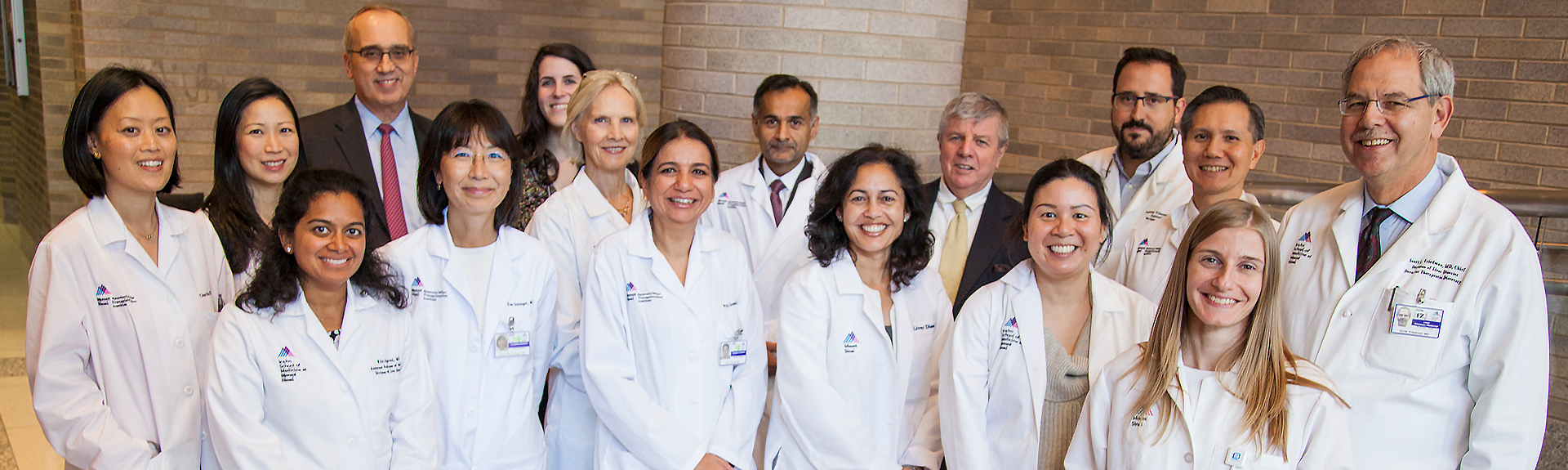
Mount Sinai Pioneers Flexible Scheduling for Advanced Liver Cancer Treatment
Mount Sinai’s Tisch Cancer Center has initiated a novel treatment approach for hepatocellular carcinoma (HCC), the most common type of liver cancer, utilizing a more flexible scheduling regimen for a combination therapy. This innovation aims to reduce wait times and improve convenience for patients undergoing a complex and time-sensitive treatment journey, offering renewed hope in the fight against this aggressive disease. Liver cancer is a global health concern, ranking as the fourth leading cause of cancer-related deaths, responsible for over 800,000 fatalities annually, according to the Mount Sinai newsroom.
Breakthrough Combination Therapy
The new approach combines lenvatinib, pembrolizumab, and transarterial chemoembolization (TACE). TACE has been the standard treatment for intermediate-stage HCC for over 20 years, but its effectiveness has been limited. Research led by Josep M. Llovet, MD, PhD, Professor of Medicine at the Icahn School of Medicine at Mount Sinai, demonstrates that integrating systemic therapies with TACE significantly improves progression-free survival. This builds upon earlier work by Dr. Llovet, who was instrumental in developing sorafenib, a drug shown to extend the lives of patients with liver cancer. The findings were published in The Lancet.
Addressing Unmet Needs in HCC Treatment
Hepatocellular carcinoma accounts for approximately 90 percent of primary liver cancers and is often linked to chronic viral hepatitis, excessive alcohol consumption, or metabolic dysfunction-associated steatotic liver disease. This landmark trial addresses a critical unmet need in treating intermediate-stage HCC, a stage where approximately 25 percent of patients are diagnosed. The combination therapy not only extends the time patients live without disease progression but also shows a trend towards improved overall survival, with ongoing follow-up to confirm these results. As Mount Sinai explains, a multidisciplinary team approach is crucial for state-of-the-art cancer treatment.
Mount Sinai’s Comprehensive Liver Cancer Program
The Liver Cancer Program at Mount Sinai has been a leader in HCC management for at least 20 years, owing to the expertise of its Hepatobiliary Surgery Unit and Divisions of Oncology and Liver Diseases. The program, now incorporated within the Tisch Cancer Institute – an NCI-designated Comprehensive Cancer Center – has a strong focus on both clinical care and translational research. The program’s research team, led by Dr. Llovet, has published over 270 papers in peer-reviewed journals, including publications in The New England Journal of Medicine, Nature, and Cancer Cell. The Tisch Cancer Center focuses its research on priority cancers including liver, prostate, breast, colorectal, lung, and multiple myeloma.
Expanding Access and Outreach
Mount Sinai’s commitment extends beyond innovative treatment to encompass broader access to care. The program actively reaches out to diverse communities within New York City, conducting screening and surveillance in underserved populations, including Chinese, Korean, Pakistani, and Egyptian communities. This outreach is particularly important given that the incidence of HCC in these communities approaches rates seen in high-incidence countries like China. The hospital also offers a living-donor program, which can significantly reduce wait times for liver transplants, according to the Mount Sinai website.
Ongoing Research and Future Directions
Mount Sinai’s research continues to explore novel therapies and biomarkers for earlier diagnosis and personalized treatment of liver cancer, as highlighted by the Liver Cancer Research page. Immunotherapy, in particular, is a key area of investigation, with researchers working to harness the power of the immune system to fight the disease. The 20th Annual meeting of the Liver Cancer Program, hosted by Prof. Llovet, took place on October 3, 2025, reflecting the program’s longstanding dedication to advancing the field. The hospital’s use of M1 LUMI Bead loaded with doxorubicin, a treatment for liver cancer, was first used in 2016, demonstrating a commitment to innovative techniques. Read more on Globally Pulse Health.
