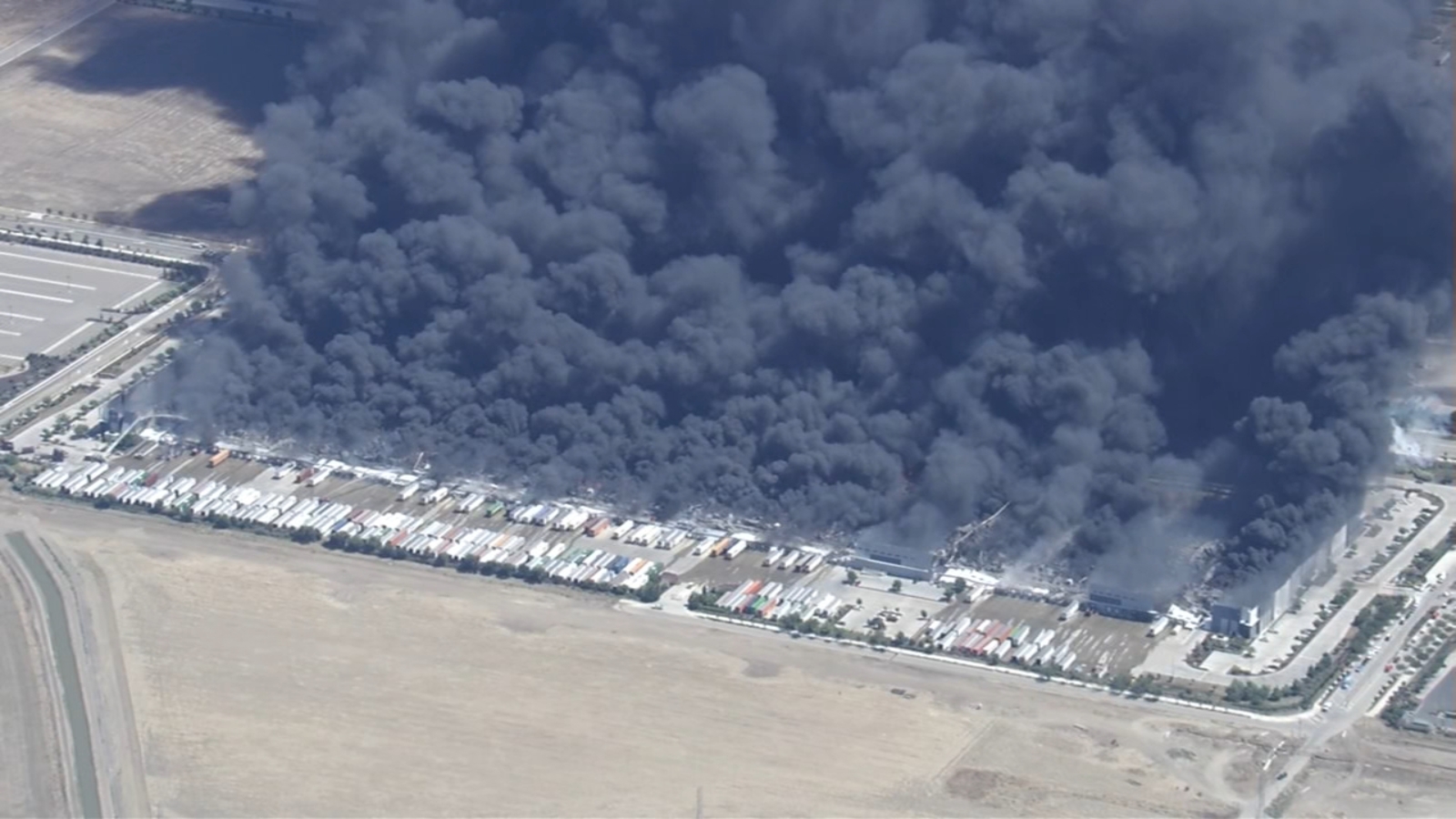
A massive fire destroyed a 1 million-square-foot Medline Industries distribution center in Tracy, California, on June 11, 2026, with firefighters battling high winds, failed sprinklers, and spot fires threatening nearby warehouses—including a FedEx facility—while all personnel were safely evacuated.
Firefighting Challenges and Infrastructure Failures at the Medline Facility
The fire’s origin and firefighting challenges
The blaze began around 1 p.m. at Medline’s Tracy facility, located at 5701 Promontory Parkway, and quickly engulfed the 1 million-square-foot warehouse, according to the South San Joaquin County Fire Authority. Tracy Fire Chief Randall Bradley confirmed the fire started at the roof, with crews arriving to find "heavy fire" already spreading. Conditions made suppression nearly impossible: high winds (25 mph), low humidity, and temperatures exacerbated the flames, while the building’s sprinkler system was not operating—a critical failure that significantly impacted firefighting efforts, Bradley said.

The problem extended beyond the Medline facility. Fire hydrants inside the complex lacked sufficient water pressure, forcing crews to rely on external resources. Meanwhile, embers ignited multiple spot fires, including one at a neighboring FedEx warehouse. Wooden pallets outside the FedEx building also burned, and at least one trailer caught fire, though officials did not specify which company it belonged to. Mutual aid crews managed to contain fires near Schulte Road, Larch Road, and Tracy Municipal Airport, but the Medline facility itself was declared a total loss by the San Joaquin County Fire Authority.
Medline’s Role in Healthcare Supply Chains and Potential Supply Chain Disruptions
Why the Medline warehouse matters
Medline Industries, based in Illinois, describes itself as the largest provider of medical-surgical products and supply chain solutions serving hospitals, clinics, and healthcare providers nationwide. The Tracy facility was one of 70 global distribution centers and a key hub for the company’s 335,000 healthcare products, including 190,000 under its own brand. With the building destroyed, the fire raises immediate questions about inventory losses, supply chain disruptions, and whether the company will relocate or rebuild.

Medline confirmed the fire in a statement: “All Medline employees and on-site personnel are safe and accounted for. We are coordinating closely with local authorities and first responders as we assess the fire’s impact and will share more details as they become available.” The company did not disclose whether the warehouse held critical medical supplies, but the loss of such a large facility could tighten an already strained healthcare logistics network.
FedEx and Amazon Warehouses at Risk from Spreading Embers and Wind-Driven Flames
FedEx’s role in the crisis—and why nearby warehouses were at risk
While the Medline fire dominated headlines, the blaze’s proximity to other logistics hubs created a cascading risk. FedEx’s Tracy warehouse, located adjacent to Medline, was threatened by high winds and burning debris, according to the San Joaquin County Fire Authority. A FedEx spokesperson confirmed that all team members at its Tracy hub were safely evacuated after the fire spread from the neighboring Medline facility. “As this is an active situation, further questions should be directed to the local authorities,” the company stated.
The Tracy Police Department reported that multiple fires in the area prompted road closures and evacuations, though no residents were directly threatened as of 2:45 p.m. on June 11. The fire’s spread was aided by the 25 mph winds, which carried embers toward other warehouses, including an Amazon facility in the vicinity. While the FedEx and Amazon sites were not directly consumed by flames, the incident underscores the vulnerability of Tracy’s industrial corridor—a cluster of high-value logistics centers.
Air Quality Alerts and the Uncertain Future of Tracy’s Industrial Zone
Air quality concerns and the long-term fallout
As of Friday morning, air quality in Tracy remained “good” but officials warned that sensitive groups—including those with respiratory conditions—should take precautions. Jamie Holt, with the San Joaquin Air Pollution Control District, told ABC7 Eyewitness that while smoke was visible for miles, the burning materials at the Medline facility were not considered toxic. However, she advised residents to turn on air purifiers, close windows, and wear N95 masks if smoke was detectable.
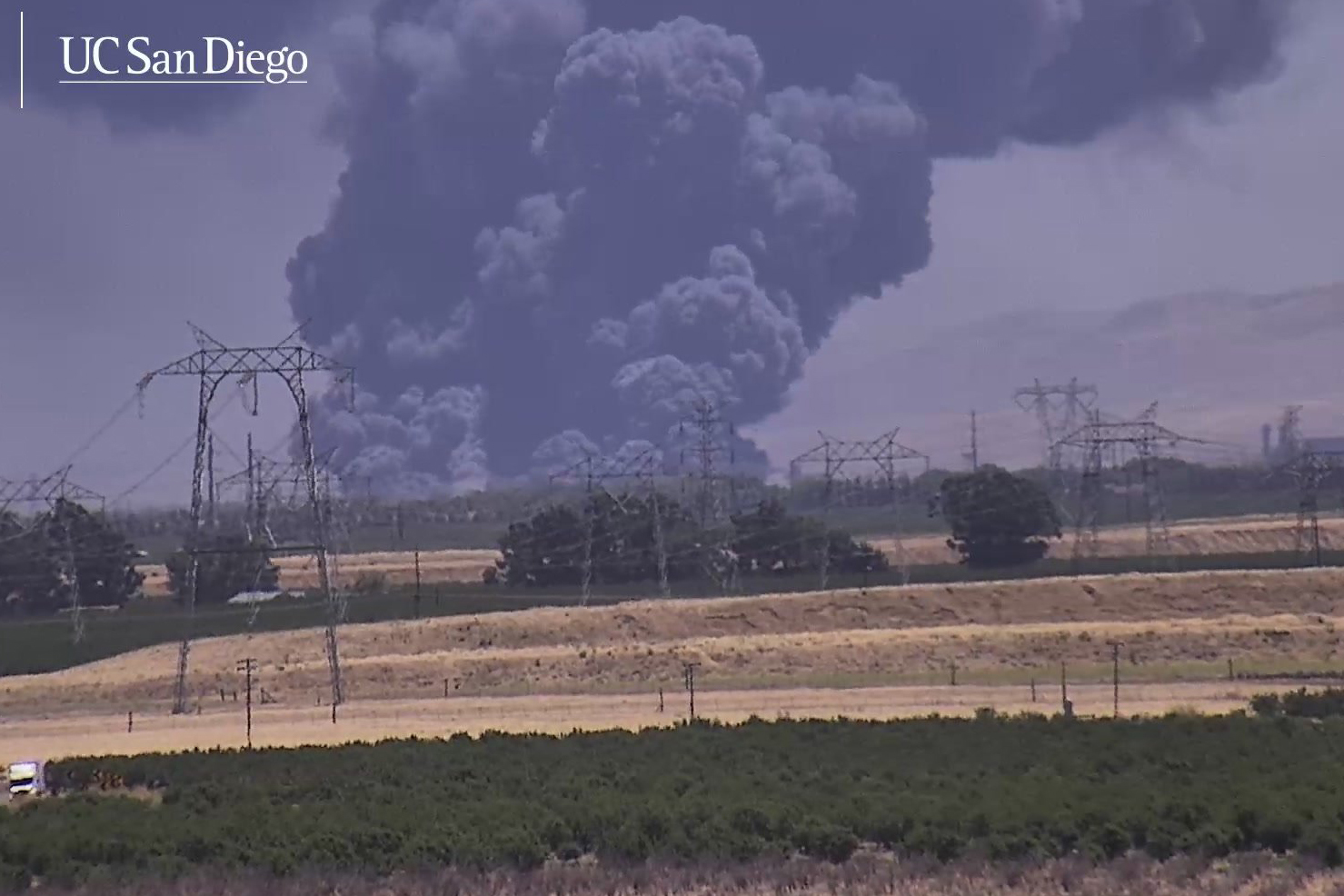
The fire’s impact on Tracy’s economy and Medline’s operations remains unclear. The company has not specified whether it will rebuild at the same location or relocate its distribution center. Given the facility’s size and Medline’s role in healthcare supply chains, any delay in rebuilding could ripple through hospitals and clinics relying on its products. Meanwhile, Tracy officials have not yet announced plans to reopen Promontory Parkway, leaving the area’s industrial activity disrupted for the foreseeable future.
What happens next?
- Medline’s response: The company will need to assess inventory losses and determine whether to rebuild or shift operations to another facility. Given its reliance on the Tracy hub, delays could strain healthcare providers.
- Fire investigation: Authorities will examine why the sprinkler system failed and whether the fire was accidental or arson-related. Chief Bradley’s statement about “no water pressure on fire hydrants inside the facility” suggests potential infrastructure failures.
- Logistics ripple effects: Nearby warehouses, including FedEx and Amazon, may face temporary disruptions if the fire’s aftermath delays reopening the industrial zone.
- Air quality monitoring: While current levels are stable, smoke dispersion patterns could change as winds shift, potentially affecting communities south of Tracy.
The bigger picture: California’s fire season and industrial safety
This incident comes as California braces for another intense fire season, with dry conditions and high temperatures increasing wildfire risks. The Medline fire’s rapid spread highlights the dangers of combustible industrial materials and the challenges of suppressing blazes in densely packed warehouse districts. The failure of the sprinkler system and internal fire hydrants raises questions about building code compliance and emergency preparedness in Tracy’s logistics hub.
For now, the focus remains on containment and recovery. But as Medline and local authorities piece together what went wrong—and what comes next—the fire’s aftermath will be felt far beyond Tracy’s borders.
Find more reporting in our News section.
