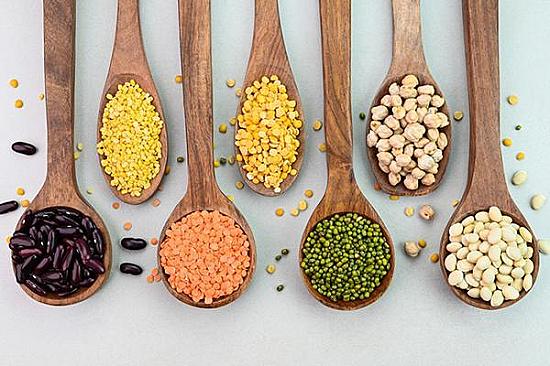
A new analysis published May 7, 2026 in BMJ Nutrition, Prevention, and Health reveals that eating more soy and legumes may significantly reduce the risk of developing high blood pressure—a condition affecting nearly half of American adults. Researchers found that daily consumption of 170 grams of legumes (about 1.7 cups) or 60–80 grams of soy foods (half a cup) was linked to a 16–19% lower risk of hypertension, with benefits plateauing beyond those amounts.
How Soy and Legumes Stack Up Against Blood Pressure
The study, combining data from 12 global research projects involving tens of thousands of participants, found a clear dose-response relationship: the more legumes and soy foods people ate, the lower their risk of hypertension. Harvard Health reports that even modest increases—like swapping processed snacks for beans, lentils, or tofu—could yield measurable benefits. The Harvard analysis highlights that soy products (tofu, edamame, soy milk) and other legumes (chickpeas, lentils) showed the strongest effects, with soy-specific intake reducing risk by 19% compared to minimal consumption.
But the connection isn’t just about protein. Legumes and soy are rich in fiber, potassium, and magnesium—nutrients that support heart health and regulate blood pressure. The Tribune Online analysis notes that these foods may also produce short-chain fatty acids during digestion, which help relax blood vessels. Meanwhile, soy’s isoflavones—a type of plant compound—have been linked to mild blood pressure-lowering effects in other studies.

Yet the findings aren’t universally adopted. In the UK, where one in three adults has high blood pressure, average legume consumption remains far below recommended levels. Dr. Pauline Swift, chair of Blood Pressure UK, told the Daily Express that while salt reduction is critical, “foods high in saturated fat or added sugar” are equally problematic—they contribute to weight gain, which strains the heart and elevates blood pressure. Her advice: “You don’t have to ban everything you enjoy, but these should be occasional foods rather than everyday staples.”
“Foods that are high in saturated fat or added sugar can also be a problem because they are often high in calories and can lead to weight gain, which makes high blood pressure harder to control.”
—Dr.
What the Data Really Shows—and What It Doesn’t
The study’s strength lies in its scale: 12 long-term studies spanning the U.S., Europe, and Asia. But it’s not without limitations. As the Tribune Online notes, the research is observational—meaning it can’t prove legumes *cause* lower blood pressure, only that they’re associated with better outcomes. Other lifestyle factors (exercise, stress levels) could play a role, and diets varied widely across studies.
Still, the results align with broader nutrition science. Plant-based diets are increasingly recognized for their cardiovascular benefits, and legumes—affordable, shelf-stable, and globally accessible—offer a practical solution. The study’s authors suggest that even small dietary shifts could have population-level impacts, especially in regions where legume intake is low.
For more on this story, see Plant-Based Diets Linked to Lower Alzheimer’s Risk.
Beyond the Study: Practical Takeaways for Your Plate
If you’re looking to incorporate more legumes and soy into your diet, the Harvard analysis provides a clear starting point: aim for about 1.7 cups of legumes daily (or roughly half that in soy-specific foods).
- 1 cup cooked lentils or chickpeas
- ½ cup edamame or tofu
- 1 cup soy milk (instead of dairy)
- ½ cup hummus or bean-based dips
The Harvard Health team emphasizes that these foods can replace—rather than just supplement—higher-calorie, processed options. For example, swapping a bacon-and-cheese breakfast sandwich for a chickpea-flour wrap could cut saturated fat while boosting fiber. Similarly, using lentils in place of ground beef in chili reduces both sodium and calories.

Yet Dr. Swift’s warning about saturated fats and sugars remains critical. While legumes are a powerhouse, they’re not a free pass for other unhealthy foods. The Daily Express highlights that processed meats, fried foods, and sugary snacks—common staples in many diets—can undermine blood pressure management even when legumes are added. “These changes may sound small,” Dr. Swift notes, “but they can help reduce calorie intake without making you feel deprived.”
“You do not have to ban everything you enjoy, but these should be occasional foods rather than everyday staples.”
—Dr.
What Happens Next: Research and Real-World Impact
The study’s publication in BMJ Nutrition, Prevention, and Health marks a significant step, but questions remain. Researchers are now exploring whether specific legume types (e.g., black beans vs. lentils) offer unique benefits, or if the effects vary by age or health status. Clinical trials—where participants are randomly assigned diets—could provide stronger evidence, though they’re costly and time-consuming.
In the meantime, public health experts may push for policy changes, such as subsidizing legume production or promoting them in school meal programs. The Inshorts report underscores that these foods are already part of many traditional diets (e.g., Mediterranean, Asian), suggesting cultural shifts could amplify their benefits. For individuals, the takeaway is clear: small, sustainable changes—like adding a daily serving of beans or tofu—could make a meaningful difference over time.
For now, the message is consistent across sources: legumes and soy aren’t a cure-all, but they’re a practical, evidence-backed tool in the fight against high blood pressure. The question isn’t whether to eat them—it’s how to make them a habit.
Find more reporting in our Health section.
